
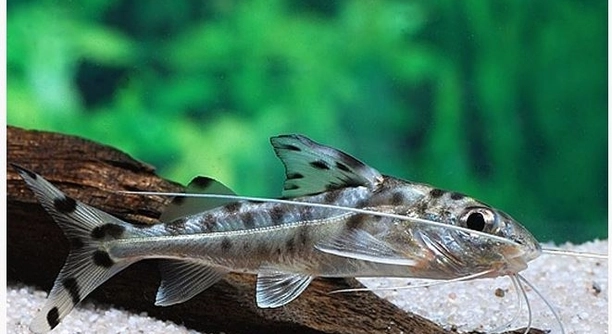
Pictus catfish are popular freshwater fish known for their peaceful nature and active behavior. Many new fishkeepers enjoy adding them to community tanks because they are hardy and interesting to watch. Feeding them properly is important to keep them healthy and active.
Pictus catfish primarily eat a varied diet consisting of sinking pellets, live or frozen foods like bloodworms and brine shrimp, and occasional vegetable matter. Providing a balanced diet ensures their nutritional needs are met and promotes optimal growth and vitality.
Knowing the right foods and feeding routine will help your pictus catfish thrive in your aquarium environment. This guide offers clear advice for beginner fishkeepers.
What Do Pictus Catfish Eat in the Wild?
In their natural habitat, pictus catfish are opportunistic feeders. They live in rivers and streams in Africa, where they consume a variety of small aquatic creatures. Their diet includes insects, larvae, small crustaceans, and other invertebrates found on the riverbed. Occasionally, they may eat plant matter and algae. This diverse diet helps them get a balance of nutrients to stay healthy and active. In the wild, they forage mostly at night, using their sensitive barbels to detect food in murky waters. The natural feeding habits of pictus catfish show the importance of offering varied foods in captivity to mimic their environment.
Understanding their natural diet helps provide appropriate nutrition in an aquarium setting. It also explains why they prefer foods that sink to the bottom of the tank.
To support their well-being, mimic this variety with live, frozen, and pellet foods that meet their natural preferences and dietary needs.
Feeding Pictus Catfish in an Aquarium
Pictus catfish are bottom feeders and prefer food that sinks quickly.
In captivity, it is important to offer foods that replicate their natural diet. High-quality sinking pellets or wafers provide essential nutrients and help prevent surface competition. Live or frozen foods such as bloodworms, brine shrimp, and daphnia are excellent protein sources. Occasionally, small vegetable pieces like cucumber or zucchini can be offered to supply some plant matter. Feed your pictus catfish once or twice a day, giving only what they can consume in a few minutes. Overfeeding can pollute the tank and cause health issues. Observe your fish during feeding to ensure all are eating and adjust portions accordingly. Consistency and variety are key to maintaining their health and activity levels in a home aquarium.
Best Foods for Pictus Catfish
Pictus catfish thrive on a mix of protein-rich and plant-based foods. Sinking pellets, live bloodworms, and occasional vegetables are ideal for their diet.
High-quality sinking pellets provide balanced nutrition tailored for bottom feeders like pictus catfish. Live or frozen bloodworms and brine shrimp add essential protein and help mimic their natural diet. Offering a variety of foods prevents boredom and supports their immune system. Small amounts of vegetables such as cucumber or zucchini can be given to introduce fiber and nutrients. Avoid flakes or floating foods, as pictus catfish prefer to feed near the substrate. Maintaining this balanced diet helps keep them energetic and healthy.
To feed properly, give small portions once or twice daily, allowing your fish to finish the food within minutes. Remove leftover food promptly to maintain water quality and avoid stress caused by poor tank conditions.
Feeding Tips and Schedule
Feed pictus catfish regularly but avoid overfeeding. Consistent timing supports their natural rhythms.
A feeding schedule of once or twice a day is usually sufficient for pictus catfish. Providing too much food can pollute the water and harm your fish’s health. Monitor their behavior and appetite to adjust feeding amounts. Feeding at the same times each day helps your fish develop a routine. Use feeding tools like sinking feeders to place food at the bottom, where pictus catfish prefer to eat. Regular cleaning and partial water changes complement a good feeding routine by maintaining a healthy environment. This simple approach ensures your pictus catfish receive the nutrients they need without compromising tank conditions.
Avoid These Foods for Pictus Catfish
Certain foods can harm pictus catfish or cause health problems. Avoid feeding them bread, processed human food, or anything that floats for long periods.
Also, steer clear of foods high in fillers or artificial additives. These can lead to digestive issues and reduce water quality in the tank.
Signs of Overfeeding in Pictus Catfish
Overfeeding can cause lethargy, swollen bellies, and poor water conditions. Uneaten food often leads to algae growth and ammonia spikes, which stress fish. Monitoring feeding amounts and tank cleanliness helps prevent these problems, keeping pictus catfish active and healthy.
How to Introduce New Foods
Introduce new foods gradually to avoid upsetting your fish’s digestive system. Start by mixing small amounts with familiar foods. Observe their reaction and adjust accordingly over several days to ensure acceptance and avoid stress.
Feeding Frequency Summary
Feed pictus catfish once or twice daily with moderate portions to maintain optimal health and water quality.
FAQ
What do pictus catfish eat in captivity?
Pictus catfish eat sinking pellets specially formulated for bottom feeders, live or frozen foods such as bloodworms and brine shrimp, and small amounts of vegetable matter. This variety ensures they get enough protein and fiber for healthy growth and activity.
Can pictus catfish eat flakes or floating food?
Pictus catfish prefer foods that sink because they are bottom feeders. Flakes and floating foods usually stay on the surface, making it difficult for them to reach and causing food waste. It is best to stick to sinking pellets or frozen foods placed near the bottom.
How often should I feed my pictus catfish?
Feeding once or twice a day is enough for pictus catfish. Give only what they can eat within a few minutes to avoid leftover food that pollutes the tank. Overfeeding can cause health problems and poor water quality.
Can pictus catfish eat vegetables?
Yes, pictus catfish can eat small pieces of vegetables like cucumber, zucchini, or peas. These should be offered occasionally to provide fiber and additional nutrients. Vegetables should be blanched and cut into small, manageable pieces.
Is live food necessary for pictus catfish?
Live food is not strictly necessary but highly recommended. It provides essential proteins and stimulates natural hunting behavior. Bloodworms, brine shrimp, and daphnia are common live foods that promote better health and coloration.
What foods should I avoid feeding my pictus catfish?
Avoid bread, processed human food, and foods high in fillers or artificial additives. These can cause digestive problems and degrade water quality, leading to illness. Also, do not feed food that floats for long periods since pictus catfish are bottom feeders.
How do I know if my pictus catfish is getting enough food?
If your pictus catfish are active, have bright colors, and regularly come out to feed, they are likely eating enough. Watch their behavior during feeding time; all fish should get a chance to eat. If some fish seem thin or inactive, adjust feeding amounts or food types.
Can pictus catfish eat pellets designed for other fish?
It is best to use pellets made for bottom feeders or catfish to meet their specific dietary needs. Pellets for other fish may not sink or have the right nutrient balance, which can lead to nutritional deficiencies or feeding difficulties.
What should I do if my pictus catfish refuses to eat?
A fish refusing food could be stressed, sick, or adjusting to a new environment. Try offering live or frozen foods, which are usually more enticing. Check water parameters and tank conditions to rule out environmental issues. If refusal persists, consult an aquarium specialist.
Is it okay to feed pictus catfish frozen foods only?
Feeding only frozen foods can work if they are varied and high quality. Include bloodworms, brine shrimp, and other protein-rich options. Supplement with sinking pellets to ensure a balanced diet and maintain water stability.
Can pictus catfish eat insects from the wild?
Insects can be part of their natural diet but feeding wild insects is not recommended in captivity due to potential pesticides or parasites. It’s safer to provide commercially prepared or frozen insects.
How much food should I give during each feeding?
Give only as much food as your pictus catfish can consume in about three to five minutes. Excess food should be removed quickly to avoid water pollution and maintain tank health.
Do pictus catfish need vitamin supplements?
Most high-quality sinking pellets already contain necessary vitamins and minerals. If feeding mainly live or frozen foods, a vitamin supplement may be beneficial. Use supplements sparingly and according to package instructions.
Can baby pictus catfish eat the same foods as adults?
Juvenile pictus catfish require smaller, finely crushed pellets or appropriately sized live foods like baby brine shrimp. Their diet should be protein-rich to support fast growth, gradually transitioning to adult foods.
Are there any feeding behaviors unique to pictus catfish?
Pictus catfish are nocturnal feeders and use their barbels to find food along the tank bottom. They prefer to feed in groups and may be shy during feeding time if the tank is brightly lit or noisy.
What happens if pictus catfish are fed only one type of food?
A monotonous diet can lead to nutritional deficiencies and weakened immune systems. Variety in their diet helps meet all nutritional requirements and keeps them healthy and active. It also prevents boredom.
How can I tell if my pictus catfish is overweight?
An overweight pictus catfish will have a rounded belly and may swim slower or seem lethargic. Overfeeding and lack of exercise often cause this. Adjust feeding amounts and increase tank activity to help maintain a healthy weight.
Should I feed pictus catfish differently in colder or warmer water?
Pictus catfish metabolism slows down in cooler water, so they require less food. In warmer water, their metabolism speeds up, and they may need slightly more frequent feeding. Always observe their behavior to guide feeding frequency.
What is the best way to introduce new food to pictus catfish?
Introduce new foods gradually by mixing small amounts with familiar foods. Observe their acceptance over several days. Sudden changes can stress the fish or cause digestive upset, so slow introduction is best.
Is it okay to feed pictus catfish frozen bloodworms every day?
Feeding frozen bloodworms daily can lead to an unbalanced diet. While they are a good protein source, it is important to mix in pellets and vegetables to provide complete nutrition. Variety is essential for long-term health.
How important is water quality when feeding pictus catfish?
Water quality is very important. Uneaten food can quickly pollute the tank, causing ammonia spikes harmful to fish health. Proper feeding amounts and regular tank maintenance keep water clean and your pictus catfish healthy.
Final Thoughts
Feeding pictus catfish properly is essential for their health and well-being. These fish thrive on a varied diet that includes sinking pellets, live or frozen foods, and some vegetable matter. Providing balanced nutrition helps maintain their energy levels and supports natural behaviors. It is important to remember that pictus catfish are bottom feeders, so offering food that sinks to the tank floor ensures they can easily access their meals. Feeding the right types of food in proper amounts also helps maintain water quality by reducing leftover waste.
Consistency is key when feeding pictus catfish. A regular feeding schedule, usually once or twice a day, helps the fish develop a routine and promotes healthy digestion. Overfeeding should be avoided because it can lead to health problems and poor water conditions. Observing your fish during feeding times is helpful to see if all individuals are eating well. Adjusting portion sizes based on their behavior and appetite can prevent waste and keep the tank environment stable. Clean tank water and a balanced diet together support the long-term health of pictus catfish.
Finally, understanding the natural diet and habits of pictus catfish helps aquarists care for them properly. In the wild, they eat a range of small aquatic creatures and plant material, which is why variety in their diet is important. Offering different types of food keeps them interested and ensures they receive all necessary nutrients. Introducing new foods gradually can help avoid stress and digestive issues. With proper feeding techniques, you can enjoy healthy, active pictus catfish that add life and movement to your aquarium.

Hello,
If you enjoy the content that we create, please consider saying a "Thank You!" by leaving a tip.
Every little bit helps us continue crafting quality advice that supports the health, happiness, and well-being of pets around the world, for pets of all shapes, sizes, and species.
We really appreciate the kindness and support that you show us!