
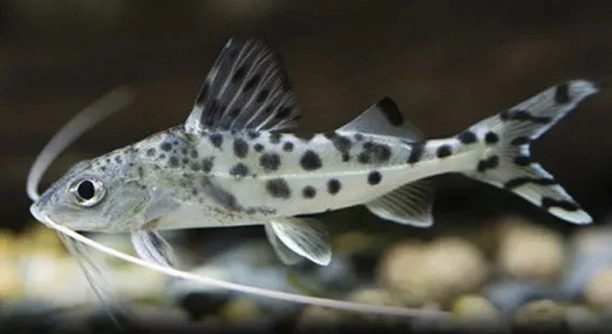
Have you ever set up a beautiful aquarium only to find your pictus catfish hiding more than swimming around? These active little fish often seek shelter, leaving you wondering if something might be wrong with your setup.
Pictus catfish need hiding spots because it helps reduce stress, supports natural behaviors, and provides a sense of safety in their environment. Without proper cover, they may become anxious, less active, and more prone to illness.
Providing the right hiding spots can make a big difference in how healthy and comfortable your pictus catfish feel in their tank.
Hiding Spots Help Reduce Stress
Pictus catfish are naturally shy and sensitive to sudden changes in their surroundings. In the wild, they spend a lot of time hiding under driftwood, rocks, and thick vegetation to stay safe from predators. When kept in an aquarium, they carry the same instincts. If there are no hiding spots, they can feel exposed and uneasy. This constant stress can lead to weakened immunity, loss of appetite, and reduced activity. Simple structures like caves, plants, or hollow decorations help give them places to retreat when they feel overwhelmed. Once they know they have somewhere safe to go, they become more confident and active. Even if they’re hiding during the day, they’ll often come out more at night when the lights are dim.
Without a place to hide, pictus catfish may remain nervous and inactive, which can affect their overall behavior and health over time.
Providing hiding spots offers comfort, security, and a stable environment. It’s a small effort that makes a big difference in your catfish’s well-being. You might not see them all the time, but when they do come out, they’ll be healthier, more active, and less likely to become sick. These hiding places don’t need to be fancy—just safe and snug.
Encourages Natural Behavior
Pictus catfish are nocturnal by nature, meaning they rest during the day and become active at night.
Hiding spots help them follow this natural rhythm. In the daytime, they’ll usually stay tucked away in a cave, under driftwood, or among plants. At night, when the tank lights are off, they’ll come out to explore, swim, and feed. If they don’t have proper shelter, their routine can get disrupted. They may stay hidden all the time or stop eating regularly. Their behavior becomes less predictable, and this can also lead to health problems over time. Having good cover helps them stay on schedule. It gives them confidence and allows them to rest peacefully. When they feel safe during the day, they have the energy and comfort to be active at night. This balance is important, especially if you want to see them behaving as they would in a more natural environment. It also makes it easier to care for them.
Helps Prevent Aggression
When pictus catfish feel crowded or exposed, they can become more defensive and territorial. This can lead to chasing or nipping, especially in tanks without proper hiding spots or enough space for each fish to feel secure.
Adding hiding places helps reduce this behavior. When each fish has somewhere to go, they’re less likely to feel the need to compete for space. This lowers tension and keeps the tank peaceful. Even though pictus catfish are usually peaceful, they may become pushy if they don’t feel safe. Caves, plants, and tunnels help break up the tank’s line of sight, giving each fish its own little space. This is especially helpful if you have multiple bottom-dwellers or a community tank. By creating separate zones, you give your fish the chance to rest, explore, and feed without constantly running into one another. Less conflict leads to a more stable and calm aquarium.
Pictus catfish are quick swimmers and can easily bump into tank mates when they’re stressed. Hiding spots help slow things down. Instead of darting across the tank out of fear, they retreat into safe areas. This calms their movement and makes them less likely to startle or irritate other fish. A calm catfish is much easier to live with.
Aids in Recovery and Health
When pictus catfish aren’t feeling well, they need a quiet place to rest without being disturbed by tank mates or light. Hiding spots give them the space to recover in peace. Stress can make health problems worse, so a calm environment helps speed up healing.
A stressed or sick fish will often isolate itself. Without hiding spots, this leaves them in open areas where they may feel vulnerable. This can delay healing and make them more likely to stay sick. When they have access to cover, they can rest and feel safe. They’ll be less likely to refuse food or act erratically. Proper hiding places also reduce the risk of injury. Pictus catfish have delicate whiskers and fast movements—without enough cover, they may scrape themselves on sharp decorations or tank walls while trying to escape perceived threats. A tank with smooth caves, plants, and soft edges lowers these risks and gives them what they need to stay healthy.
Supports Their Nocturnal Lifestyle
Pictus catfish prefer to stay hidden during the day and explore when it’s dark. Hiding spots help them stick to this natural rhythm by offering shaded areas that feel safe and quiet. Without them, they may become overly stressed or inactive.
When they have proper cover, they rest more easily and stay healthier. This also encourages more active behavior at night, when they feel most comfortable swimming and feeding. Their routines stay consistent, which leads to less anxiety and better overall tank behavior.
Reduces Light Exposure
Pictus catfish are sensitive to bright lights. In tanks with intense lighting and no shaded areas, they may hide constantly or stop eating. Providing caves, tunnels, or thick plants helps shield them from harsh light. This keeps them comfortable and helps them feel safe enough to come out when they’re ready.
Lowers the Risk of Injury
Quick swimmers like pictus catfish can get startled easily. Without hiding spots, they might dash into glass walls or sharp decor. Hiding places give them safe zones to retreat to, helping prevent sudden movement that leads to injury. This creates a calmer, safer space for them to live in.
FAQ
How many hiding spots do pictus catfish need?
A good rule is to provide at least one hiding spot per fish. If you have more than one pictus catfish, make sure each one has a place to claim. They like to rest during the day and avoid bright light, so having a few options gives them space to spread out and feel secure. Adding extras won’t hurt and may even reduce territorial behavior, especially in community tanks. Spread them around the tank to give them some variety and space to move comfortably between areas.
What are the best types of hiding spots for pictus catfish?
Pictus catfish prefer natural-looking and secure spaces. Smooth caves, hollow logs, dense plants (real or artificial), and driftwood all work well. Make sure anything you add doesn’t have sharp edges that could damage their skin or whiskers. Decorations with rounded edges and small openings give them a sense of safety. PVC pipes can also work if you want a budget-friendly option. Arrange the hiding places so they can swim through or around them without feeling trapped. Always check that they’re stable and won’t collapse or shift easily.
Can too many hiding spots be a problem?
Not really. As long as the tank is large enough and there’s room for swimming, extra hiding places won’t cause harm. In fact, having multiple hiding areas can prevent bullying and give more choices to shy or smaller fish. The key is balance. Don’t overcrowd the tank with decorations that make it hard for fish to swim freely. Make sure to leave open space along the bottom of the tank since pictus catfish are bottom-dwellers and like room to explore. A mix of open zones and covered areas works best.
Do hiding spots make pictus catfish hide all the time?
At first, yes. When newly introduced to a tank, pictus catfish may spend most of their time hiding. This is normal and gives them a chance to feel secure. Over time, once they know the tank is safe and calm, they’ll become more active—especially during feeding times and at night. Providing proper hiding spots actually makes them more likely to explore, not less. Without that sense of safety, they’ll stay hidden longer out of stress. So don’t be surprised if they come out more often after a few days or weeks.
Should hiding spots be placed in certain areas of the tank?
Yes. It’s best to place hiding spots near the bottom of the tank, since that’s where pictus catfish spend most of their time. Position them against the back or corners of the tank to create shaded zones and reduce stress from open exposure. Avoid putting all the cover in one area—spread it out to allow for territory and movement. If you use live plants, placing them near hiding areas can help dim the light and create more natural surroundings. Make sure the layout allows water to flow easily to avoid dead spots.
What signs show that my catfish needs more hiding spots?
If your pictus catfish is overly skittish, constantly hides, refuses to eat, or becomes aggressive toward other fish, they might not feel safe enough in their environment. Lack of hiding spots is often the cause. You may also notice them wedging into small spaces not meant for hiding, like behind filters or decor. Adding a few more safe hiding options can help reduce these behaviors. Once they feel secure, their movement becomes more relaxed, and they’re more likely to come out and explore the tank, especially during the evening hours.
Final Thoughts
Pictus catfish are peaceful and active fish that enjoy having places to hide. Giving them proper hiding spots helps lower their stress and allows them to behave naturally. It also creates a more balanced and healthy tank environment. When these fish feel safe, they rest during the day and explore more at night. Without shelter, they may become anxious, stop eating, or even get sick. Something as simple as a cave, plant cover, or tunnel can make a big difference in their comfort and behavior.
Hiding spots don’t need to be expensive or hard to set up. Many things work well, such as smooth rocks, driftwood, or even PVC pipes that are placed safely. Just make sure there are no sharp edges and that the pieces are large enough for the fish to swim through or rest inside. It’s also helpful to spread them around the tank to give each fish enough space and options. When done right, these areas help prevent fighting, reduce injury, and support their natural sleep and activity cycle. Even in a community tank, a few extra hiding places can help all fish live together more peacefully.
Taking time to set up a safe and well-designed tank can help your pictus catfish live a happier life. While you may not see them all the time during the day, a secure setup gives them the confidence to come out more when they feel ready. A healthy pictus catfish is active, curious, and eats well. By giving them places to rest and feel protected, you’re not only meeting their needs but also creating a more stable and enjoyable aquarium. Small changes like adding cover can have lasting effects on their well-being.

Hello,
If you enjoy the content that we create, please consider saying a "Thank You!" by leaving a tip.
Every little bit helps us continue crafting quality advice that supports the health, happiness, and well-being of pets around the world, for pets of all shapes, sizes, and species.
We really appreciate the kindness and support that you show us!