
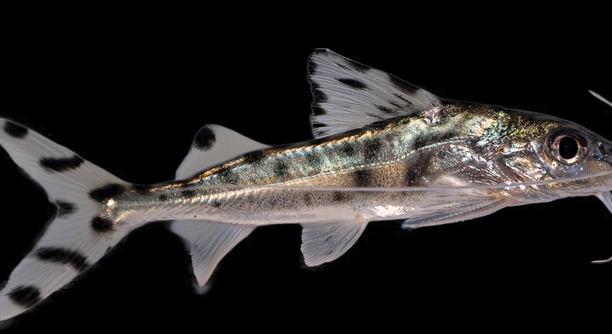
Pictus catfish are known for their impressive speed and agility in the water. These small, sleek fish catch the attention of many aquarium enthusiasts. Their quick movements make them fascinating creatures to observe and study in detail.
Pictus catfish achieve their speed through a combination of streamlined body shape, powerful tail muscles, and well-developed fins. These physical traits reduce water resistance and increase propulsion efficiency, allowing rapid bursts of movement essential for escaping predators and catching prey.
Understanding the features that contribute to their speed sheds light on their natural behavior and care needs. This knowledge helps aquarium owners provide a suitable environment for these lively fish.
Physical Features That Boost Speed
Pictus catfish have bodies built for swift movement. Their streamlined shape reduces drag, allowing them to glide smoothly through water. The long, pointed fins act like sails, helping them steer quickly and maintain balance. Their muscular tails provide strong thrusts, pushing them forward with speed. These fish also have a lightweight skeleton, which helps them stay agile. Their skin is smooth, minimizing resistance as they swim. All these physical traits work together to make pictus catfish fast and efficient swimmers. Observing their movements, you can see how their body design supports sudden bursts of speed. This adaptation is vital for survival, helping them avoid predators and catch food. Their alert eyes and quick reflexes also contribute to their rapid responses. This combination of features makes them remarkable among freshwater fish.
Their body design is a key reason why pictus catfish are faster than many other species. It gives them an advantage in their natural habitat.
In addition to physical traits, their swimming style enhances speed. They use a series of quick tail flicks for acceleration. This method conserves energy while maximizing thrust. Their fins adjust constantly, allowing sharp turns and fast stops. This precision helps them navigate crowded environments or evade threats efficiently. The smooth coordination between muscles and fins shows a natural specialization for speed. Even their behavior supports this; pictus catfish tend to stay active during low light when their agility is most useful. The balance between power and control in their swimming is a fascinating part of their nature.
Environmental Factors Influencing Speed
Water conditions greatly impact pictus catfish speed. They swim fastest in clean, well-oxygenated water.
In natural habitats, clear rivers and streams with moderate currents offer ideal conditions. The fish have room to move freely without obstacles. Water temperature also plays a role; warmer water increases metabolism, making them more active and faster. Conversely, cold water slows their movements. Tank size is important for aquarium keepers to consider. Small tanks restrict swimming space and can limit speed. Providing hiding spots allows the fish to feel secure and show natural behavior, including fast swimming when startled or exploring. Water quality and flow should mimic their native environments to keep their speed and health optimal. Understanding these environmental needs helps maintain their agility and overall well-being.
Muscle Structure and Energy Use
Pictus catfish have strong muscles that help them move quickly. Their muscles are designed for quick bursts rather than long swims. This structure allows fast acceleration when needed.
The muscles in pictus catfish are mainly made of fast-twitch fibers. These fibers contract rapidly and generate powerful movements but tire quickly. This is why the fish can dart swiftly to escape threats or catch prey but do not sustain high speeds for long periods. Their energy systems support these bursts by rapidly converting stored energy into motion. This specialization is essential for their survival, allowing them to react quickly in their environment.
Energy use in pictus catfish is optimized for speed bursts. They rely on short, intense efforts fueled by stored energy. After fast swimming, they rest to recover, avoiding fatigue. Their body efficiently manages oxygen and nutrients to support quick movements. This balance between muscle power and energy recovery helps maintain their speed when it matters most. It also explains why these fish are usually calm but can become very active suddenly.
Sensory Adaptations and Speed
Pictus catfish rely heavily on their senses to enhance speed. Their whiskers (barbels) detect nearby objects and vibrations, helping avoid obstacles quickly.
Their sensory system supports fast responses. Barbels gather information about their surroundings, allowing the fish to react before collisions occur. Their eyes, adapted for low light, help them spot movement and threats. Together, these senses guide their rapid movements precisely. The combination of sensory input and quick muscle reactions ensures pictus catfish can navigate complex environments at high speeds without injury. This sensory-motor coordination is key to their agility.
Fast swimming is not just about muscles but also about quick decision-making. Their sensory organs feed information to the brain rapidly, triggering immediate muscle responses. This process allows them to change direction or speed almost instantly. The integration of senses and movement demonstrates how their speed depends on both physical and neurological factors. This coordination also helps them find food and avoid danger effectively, enhancing their survival chances.
Role of Behavior in Speed
Pictus catfish often swim in short bursts rather than continuous motion. This behavior conserves energy and maximizes their speed when necessary.
They are naturally cautious fish, quick to dart away from perceived threats. Their bursts of speed help them navigate quickly through their environment, avoiding danger and finding food efficiently.
Impact of Diet on Performance
A well-balanced diet supports the energy demands of pictus catfish. Protein-rich foods help build strong muscles needed for fast swimming. Proper nutrition ensures they maintain stamina and recover quickly after bursts of speed.
Importance of Tank Setup
Providing ample swimming space in the tank encourages natural movement. Obstructions can slow them down, so a clear environment helps maintain their agility.
Stress and Its Effect on Speed
Stress can reduce a pictus catfish’s ability to swim fast. Keeping water quality high and minimizing disturbances supports their natural behavior and speed.
How fast can pictus catfish swim?
Pictus catfish can reach speeds of up to 3 miles per hour in short bursts. This speed allows them to evade predators and catch prey effectively. Their quick reflexes and powerful tail movements contribute to these sudden bursts rather than sustained fast swimming.
What physical traits make pictus catfish so fast?
Their streamlined bodies reduce water resistance, and their strong, muscular tails provide powerful thrusts. Long, pointed fins help with steering and balance, while lightweight skeletons increase agility. These combined features allow them to move swiftly through water with ease.
Does water temperature affect their speed?
Yes, water temperature plays a significant role. Warmer water increases their metabolism, making them more active and faster. Cooler water slows their movements and energy use. Maintaining the right temperature in aquariums supports their natural speed.
How does diet impact their swimming ability?
A protein-rich diet helps build the muscles needed for quick bursts of speed. Proper nutrition ensures they have enough energy and stamina for fast swimming. Lack of nutrients can weaken their muscles and reduce agility.
Can tank size influence their speed?
Tank size is important because small tanks limit swimming space, restricting natural movement. Larger tanks give them room to swim freely and maintain agility. Clear swimming areas with minimal obstacles help them reach their top speed.
Why do pictus catfish swim in short bursts instead of continuously?
Their muscles are built for quick, powerful movements rather than long endurance. Short bursts conserve energy while allowing fast responses to threats or prey. After bursts, they rest to recover and avoid fatigue.
What role do their barbels play in swimming?
Barbels act as sensory organs that detect nearby objects and vibrations. This helps them avoid collisions and navigate complex environments quickly. The information from barbels triggers immediate reactions, enhancing their speed and agility.
How does stress affect pictus catfish speed?
Stress lowers their energy levels and slows their movements. Poor water quality, loud noises, or overcrowding can cause stress. Maintaining a calm, clean environment helps keep their natural speed and behavior.
Are pictus catfish fast swimmers compared to other catfish?
Yes, they are among the faster catfish species due to their physical build and behavior. Many other catfish swim slower and rely on hiding instead of speed to survive. Pictus catfish use speed as a primary defense and hunting strategy.
Do pictus catfish need special care to maintain their speed?
Maintaining clean, well-oxygenated water, proper temperature, and a balanced diet supports their natural speed. Providing enough space to swim and reducing stress factors also helps them stay agile and healthy.
How does their muscle structure contribute to speed?
Their muscles consist mostly of fast-twitch fibers that generate powerful contractions quickly but tire fast. This allows rapid acceleration but limits sustained speed. Their energy systems are designed to support these quick bursts efficiently.
Can pictus catfish speed be improved by training?
They don’t respond to training like some animals. However, providing a natural environment with space to swim and occasional stimulation encourages activity and natural fast movements.
How do pictus catfish coordinate movement and senses for speed?
Their sensory organs quickly send information to the brain, which triggers immediate muscle responses. This coordination allows them to change direction and speed rapidly, helping avoid danger or catch prey efficiently.
What happens if a pictus catfish doesn’t get enough swimming space?
Restricted space can cause stress, reduce exercise, and limit their speed. Over time, this can affect their health and muscle strength, making them less agile and slower in movement.
Is their speed more important for defense or hunting?
Speed is crucial for both. It helps them escape predators and also allows quick movements to catch smaller prey. Their agility gives them an advantage in survival within their environment.
Do pictus catfish swim faster at certain times of the day?
They tend to be more active and faster during low light conditions, such as dawn or dusk. Their sensory adaptations make them well suited for these times, enhancing their ability to move quickly.
How important is oxygen level for their speed?
High oxygen levels are essential to support their muscle activity during fast swimming. Poor oxygenation can limit energy production and reduce their ability to perform quick bursts.
Can illness affect their speed?
Yes, illnesses can weaken muscles and reduce energy, slowing them down. Keeping good water quality and proper care helps prevent diseases that impact their movement.
Do pictus catfish speed vary with age?
Younger fish tend to be faster and more agile. As they age, muscle strength and reflexes may decline slightly, reducing top speed but not eliminating their natural quickness entirely.
What environmental changes can slow pictus catfish down?
Polluted water, overcrowding, and improper temperatures can all decrease their speed. Ensuring stable, clean conditions keeps them healthy and able to swim at their natural pace.
Pictus catfish are fascinating creatures known for their speed and agility. Their physical features, such as a streamlined body and strong tail muscles, play a major role in their ability to swim fast. These traits reduce water resistance and allow them to move quickly in short bursts. Their fins help with balance and steering, making their movements smooth and efficient. All these physical characteristics work together to give pictus catfish an edge when it comes to speed. This natural design helps them avoid predators and catch food in their environment.
Besides their body structure, pictus catfish rely on other factors to maintain their speed. Their muscles are adapted for quick bursts of power rather than long-distance swimming. This means they can accelerate rapidly but cannot keep up high speeds for extended periods. The fish use stored energy efficiently, resting after fast movements to recover. Their sensory organs, especially their whiskers or barbels, also help them detect nearby objects and avoid collisions while swimming fast. Environmental factors, such as clean water, proper temperature, and enough swimming space, are important too. These conditions help pictus catfish stay healthy and agile.
Taking care of pictus catfish means understanding what supports their speed and well-being. Providing a suitable environment with clean, oxygen-rich water and a balanced diet is key. Giving them enough room to swim freely allows them to show their natural quickness. Avoiding stress by maintaining good tank conditions and minimizing disturbances helps keep their energy levels up. All these factors combined contribute to the pictus catfish’s ability to move fast and remain active. Knowing these details can help anyone care for these lively fish properly, allowing them to thrive and display their impressive speed.

Hello,
If you enjoy the content that we create, please consider saying a "Thank You!" by leaving a tip.
Every little bit helps us continue crafting quality advice that supports the health, happiness, and well-being of pets around the world, for pets of all shapes, sizes, and species.
We really appreciate the kindness and support that you show us!