
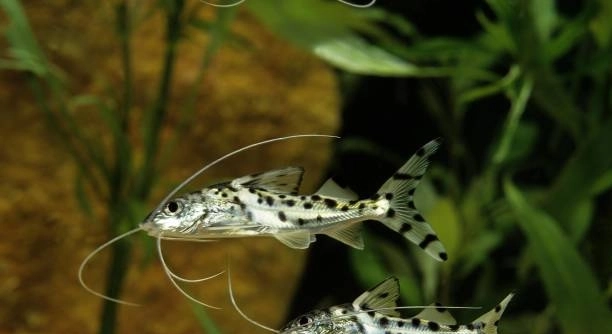
Pictus catfish are popular freshwater fish known for their active and social nature. Observing their behavior can reveal when they feel safe and comfortable in their environment. Recognizing these signs helps owners provide the best care possible.
When pictus catfish are comfortable, they swim confidently around the tank, rest calmly on surfaces, and interact gently with other fish. Their fins spread fully, and they show regular breathing patterns, indicating low stress and contentment in their surroundings.
Understanding these comfort behaviors allows for better aquarium management and enhances the well-being of your pictus catfish. The following points explain how these fish express their comfort clearly and naturally.
How Pictus Catfish Swim When Comfortable
When pictus catfish feel at ease, their swimming becomes smooth and confident. They explore the tank actively without sudden or jerky movements. Instead of hiding or staying still, they glide through the water, often near the surface or mid-levels. Their movements appear relaxed, and they may even swim in groups, showing social comfort. These fish rarely dart away quickly, which is a clear sign of stress. Comfortable pictus catfish also respond calmly to their surroundings, like changes in light or the presence of other fish. Watching their steady, flowing motion is a reliable indicator that they are secure and content in their habitat.
Comfortable swimming habits are important for pictus catfish health. It shows they are adjusting well to tank conditions.
Recognizing this swimming behavior early can help you maintain a stable environment. Keeping water clean and tank mates compatible encourages this calm, active swimming style. It also reduces the risk of illness caused by stress. This movement pattern signals that your pictus catfish feel safe and well cared for.
Resting Spots and Behavior
Comfortable pictus catfish choose quiet resting spots in the tank.
These catfish prefer smooth surfaces like rocks or driftwood where they can rest peacefully. They often settle during the day in shaded areas or near plants. Their bodies stay relaxed without twitching or sudden movements. This resting behavior helps them conserve energy and shows trust in the environment. If they rest openly instead of hiding, it indicates they do not feel threatened. Providing safe resting places improves their comfort and well-being, making them more active when awake.
Interaction with Tank Mates
Pictus catfish show calm and gentle behavior when comfortable around other fish. They do not display aggression or rapid fleeing.
They often swim alongside tank mates without causing tension or stress. Comfortable pictus catfish may even follow other fish or explore together. This social interaction is a sign of trust and acceptance of their environment. They avoid confrontations and maintain peaceful coexistence. When the catfish feel safe, they will share space and food calmly without signs of dominance or fear.
Stress can cause pictus catfish to hide or act aggressively toward other fish. Observing relaxed social behavior indicates a healthy, balanced tank environment. It also shows the catfish are not feeling threatened by the presence of others.
Fin and Body Language
When comfortable, pictus catfish hold their fins fully open and maintain steady body posture. Their fins are not clamped or folded close to their bodies.
A relaxed posture with spread fins helps with swimming and balance. It also signals low stress levels. If the fins are tight or the body is rigid, it often means discomfort or illness. Healthy pictus catfish display smooth and fluid movements, with no sudden jerks or spasms. Their gill movement is even and calm, indicating proper oxygen intake. This clear body language can help owners monitor the fish’s well-being daily and adjust tank conditions as needed.
Feeding Behavior
Comfortable pictus catfish show interest during feeding times. They approach food calmly without rushing or panic.
They eat steadily and finish their portions without signs of stress or competition. This calm feeding behavior indicates they feel secure and confident in their environment.
Exploring and Curiosity
Pictus catfish explore their tank actively when comfortable. They investigate new decorations, plants, and tank features without hesitation. This behavior shows they feel safe and are mentally stimulated. Comfortable fish engage in natural behaviors that help maintain their health and happiness.
Breathing Patterns
Normal breathing in pictus catfish is slow and steady. Rapid gill movement often indicates stress or poor water conditions.
What are the common signs that pictus catfish are comfortable?
Comfortable pictus catfish swim smoothly, rest openly, and interact gently with tank mates. Their fins spread fully, their breathing is steady, and they explore the tank without signs of fear. These behaviors show they feel secure and relaxed in their environment.
How can I tell if my pictus catfish is stressed instead?
Signs of stress include rapid, jerky swimming, hiding excessively, clamped fins, and erratic breathing. Aggression toward other fish or refusal to eat can also indicate discomfort. Poor water conditions or an unsafe tank setup often cause these behaviors.
What tank conditions help pictus catfish feel comfortable?
Clean, well-filtered water with stable temperature and pH levels is essential. Providing hiding spots, smooth surfaces to rest on, and compatible tank mates supports their comfort. Avoid sudden changes in light or water parameters to keep stress low.
How important is tank size for pictus catfish comfort?
Pictus catfish are active swimmers and need ample space. A tank of at least 30 gallons allows them room to swim freely and reduces territorial disputes. Crowded tanks increase stress and can lead to aggressive or withdrawn behaviors.
Can pictus catfish live with other fish peacefully?
Yes, when comfortable, pictus catfish coexist peacefully with many species. Choose non-aggressive, similarly sized tank mates. Avoid fish that nip fins or compete aggressively for food, as this causes stress and disrupts natural behavior.
Why do pictus catfish sometimes hide even if the tank seems suitable?
Temporary hiding can occur during changes like water adjustments, new tank mates, or lighting shifts. It’s a natural response to uncertainty. If hiding persists, it might indicate ongoing stress, illness, or unsuitable tank conditions.
What role does diet play in their comfort?
A balanced diet of sinking pellets, live or frozen foods, and occasional vegetables keeps pictus catfish healthy and satisfied. Proper nutrition supports energy for exploring and reduces stress-related behaviors like hiding or erratic swimming.
How can I encourage my pictus catfish to show comfort behaviors?
Maintain stable water quality, provide hiding and resting areas, and feed regularly on a schedule. Avoid overcrowding and sudden environmental changes. Gentle tank lighting and quiet surroundings help them feel safe and confident.
Is it normal for pictus catfish to be more active at night?
Yes, pictus catfish are naturally more active during low light or night periods. Their comfort is shown by calm exploration and feeding at these times. Bright light may cause them to seek shelter or reduce activity temporarily.
What should I do if my pictus catfish shows signs of discomfort?
Test water parameters and perform partial water changes if needed. Check for aggressive tank mates and adjust accordingly. Provide more hiding spaces and reduce stress factors like noise or sudden movements. Monitor closely and consult a specialist if health issues persist.
Observing the behavior of pictus catfish provides important clues about their comfort and well-being. When these fish swim confidently, rest openly, and interact peacefully with other tank mates, it is a clear sign they feel secure in their environment. Their natural behaviors, such as exploring the tank and calmly feeding, also reflect a healthy and stress-free state. Paying close attention to these details helps owners understand the needs of their pictus catfish and create a better living space for them. Consistent care and a stable environment contribute greatly to their comfort.
Providing appropriate tank conditions is essential for maintaining pictus catfish comfort. Clean water, proper temperature, and sufficient space allow them to thrive. Offering hiding places and smooth resting surfaces supports their natural instincts and reduces stress. The presence of compatible tank mates encourages peaceful social behavior. These factors work together to help pictus catfish display relaxed body language, steady breathing, and smooth swimming patterns. Meeting these needs makes it easier to spot when the fish are healthy and content.
Comfort in pictus catfish is not only about physical health but also mental well-being. A calm and stimulating environment encourages their natural curiosity and exploration. When they feel comfortable, pictus catfish show behaviors that reflect trust in their surroundings. Recognizing these signs can guide owners in adjusting care routines and tank settings to promote ongoing comfort. This awareness ultimately supports the long-term health and happiness of pictus catfish, ensuring they live a peaceful life in the aquarium.

Hello,
If you enjoy the content that we create, please consider saying a "Thank You!" by leaving a tip.
Every little bit helps us continue crafting quality advice that supports the health, happiness, and well-being of pets around the world, for pets of all shapes, sizes, and species.
We really appreciate the kindness and support that you show us!