
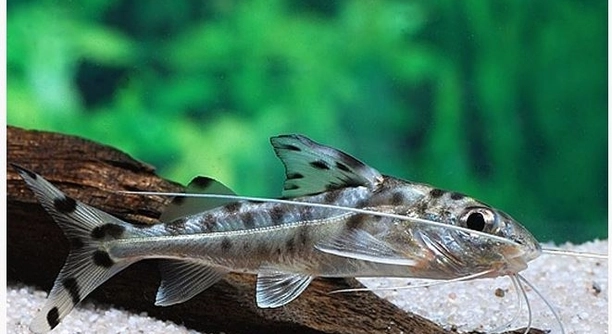
Have you ever found yourself setting up a new aquarium and wondering if special lighting is necessary for your pictus catfish to thrive?
Pictus catfish do not need UV lighting to survive or stay healthy. They are nocturnal fish that prefer dimly lit environments, and UV lighting offers no significant benefits for their health, behavior, or tank environment.
Lighting choices can still influence their comfort and your aquarium’s appearance, so learning more about their ideal setup can be helpful.
Why UV Lighting Isn’t Necessary for Pictus Catfish
Pictus catfish are active during the night and spend most of their time hiding during the day. In their natural environment, they live in murky rivers with limited light exposure. This makes them well-suited to low-light aquarium setups. Unlike reptiles or certain fish that require UVB lighting to synthesize vitamin D3 or regulate calcium, pictus catfish do not depend on UV rays for any biological process. Standard aquarium lighting is enough for them, primarily for the keeper’s visibility and to support any live plants in the tank. Using UV lighting may even stress the catfish, especially if it creates overly bright or intense conditions. Their well-being relies more on water quality, space, and hiding spots than on lighting. A dim tank that mimics their natural setting helps them feel secure and encourages more natural behavior.
Too much light can make them hide more and become less active overall.
If you want to add lighting for aesthetics, go for soft, adjustable LED lights. These provide enough illumination without overwhelming your fish. Always monitor your catfish after any lighting change to make sure they’re not acting stressed or unusually reclusive. Creating a comfortable and calm space matters more than adding specialty lighting.
When UV Lighting Might Still Be Useful
UV lighting can help in tanks where water clarity or algae growth is a problem.
Some aquarists use UV sterilizers, which emit UV-C light, to reduce algae, bacteria, and parasites in the water. While this doesn’t directly benefit the pictus catfish, it can improve the tank’s overall cleanliness. UV sterilizers are different from typical UV lights used for reptiles or plant growth. They’re sealed devices that water passes through, exposing harmful organisms to ultraviolet light before circulating back into the tank. This can lower the risk of certain diseases and help maintain clearer water. However, UV sterilizers are not essential in every setup and should never replace proper filtration or routine tank maintenance. Their usefulness depends on your specific tank conditions. For example, if your tank is heavily stocked or prone to cloudy water, a UV sterilizer may help stabilize things. Still, healthy fish thrive most when the basics are well-managed—like regular water changes, good filtration, and a balanced diet tailored to their needs.
Lighting Setup Tips for Pictus Catfish
Soft, low-intensity lighting works best for pictus catfish. Bright lights can make them feel exposed and increase hiding behavior, which limits how often you see them.
Use dimmable LED lights or bulbs with a subdued tone to mimic their natural river habitats. Keep the lights on a timer for 8–10 hours daily to maintain consistency without overexposing them. Adding floating plants can help diffuse the light and create shaded areas in the tank, which your catfish will appreciate. Include driftwood, caves, or other decorations that offer hiding spots, allowing them to explore comfortably. Avoid using lights that create sudden brightness, such as flashing or color-changing bulbs, as these can stress them out quickly.
Your lighting setup should consider both the fish and the tank’s appearance. If you have live plants, balance their needs with those of the catfish by selecting species that thrive in low light. Some options include Anubias, Java fern, or mosses. These plants add natural cover without requiring high-intensity lights. Observe your fish daily—if they become overly shy, active only at night, or stay hidden during feeding, the lighting might be too strong. In that case, adjust the brightness or reduce the daily light exposure slightly until they return to normal behavior.
Additional Ways to Keep Pictus Catfish Comfortable
Lighting is just one part of creating a calm space for your pictus catfish. Their comfort depends on water quality, tank mates, and environmental enrichment.
A soft, sandy substrate helps protect their sensitive barbels while they forage along the bottom. Keep the water temperature between 72–80°F and maintain strong filtration, as pictus catfish are fast swimmers that need well-oxygenated water. Choose peaceful tank mates that won’t nip or compete for food. Avoid overcrowding, since pictus catfish are active and need room to explore. Tank decorations should offer hiding spots but leave space for open swimming. Routine water testing is key—stable ammonia, nitrite, and nitrate levels go a long way in keeping them healthy. Finally, feed them a varied diet of sinking pellets, frozen foods, and occasional live treats to support their natural instincts and overall wellness.
Common Mistakes with Tank Lighting
Using lights that are too bright can cause stress and lead to constant hiding. This reduces your fish’s activity and visibility, making them harder to enjoy.
Leaving lights on for too long disrupts their natural rhythm. Stick to a consistent schedule to help them feel secure in their environment.
Signs of Light Stress in Pictus Catfish
Light stress shows up in subtle ways. If your pictus catfish hides all day, refuses food, or darts around the tank nervously, your lighting might be too strong. You might also notice them staying in darker corners, avoiding open spaces, or showing faded coloring. These behaviors suggest they’re uncomfortable with the current setup. Dimming the light, reducing exposure time, or adding more cover often helps. It’s also useful to observe changes after adjustments. If their behavior returns to normal—swimming more freely or eating better—that confirms the issue was light-related. Watching these signs early makes it easier to keep your tank balanced and your fish happy.
Do Other Fish in the Tank Need UV?
Most common community fish do not need UV lighting. Standard LED lighting is enough to support a healthy shared tank environment.
FAQ
Do pictus catfish need any special lighting at all?
No, they do not need special lighting. Standard aquarium lighting is more than enough. What matters most is that the lighting is soft and not too intense. Bright setups may stress them out and cause them to hide more often. Stick with dimmable or low-output LED lights, and keep a regular light cycle of 8–10 hours a day. This helps maintain a healthy rhythm without making them uncomfortable.
Can UV sterilizers harm pictus catfish?
When used properly, UV sterilizers are safe. The UV light is contained inside the device and doesn’t shine into the tank itself. These units only affect the water as it passes through. They help reduce unwanted bacteria, algae, and parasites without interfering with the fish directly. Just make sure the flow rate and wattage match your tank size. Improper use, like exposing the fish directly to UV-C rays, can be harmful—so installation matters.
Will pictus catfish be more active if I adjust the lighting?
Yes, changing the lighting can affect their activity level. If your lighting is too harsh or on for too many hours, you may notice your pictus hiding often. Softer, shorter lighting periods encourage more natural behavior. Adding floating plants or decorations that create shaded areas can also make them feel safe enough to explore more. These small adjustments help you see them swim around more freely during the evening hours.
Do they need complete darkness at night?
Yes, they benefit from complete darkness at night. Just like other fish, pictus catfish need time to rest. Leaving lights on 24/7 can disturb their sleep cycle and lead to long-term stress. Set a timer to create a consistent day-night routine. If you use ambient lighting in the room, make sure it’s dim enough not to affect the tank after hours. Even a small period of darkness helps them relax and stay healthy.
Can bright lighting cause illness in pictus catfish?
Bright lighting alone doesn’t cause illness, but it can lead to stress. Chronic stress weakens their immune system, which may make them more likely to get sick. You might notice signs like loss of appetite, dull coloration, or erratic swimming. Lowering the light intensity and ensuring they have hiding spots often helps them recover quickly. Healthy lighting conditions support their overall well-being and reduce unnecessary pressure on their immune system.
Is it okay to use colored LED lights in the tank?
Colored LED lights are fine if used in moderation. Avoid using intense red or white lights for long periods, as they may overstimulate or stress nocturnal fish like the pictus. Blue lighting in the evening can help mimic twilight and may encourage activity without overwhelming them. Still, make sure the lights can be dimmed and turned off at night. Colored lights are more for your enjoyment than the fish’s comfort.
What should I do if my pictus catfish hides all the time?
Constant hiding may be caused by overly bright lighting, lack of cover, or stress from tank mates. Try lowering the light intensity and adding more plants or decorations to create shaded areas. Check water quality and ensure tank mates are not aggressive. Pictus catfish are shy by nature, but they should still come out during feeding or when the tank is quiet. If hiding continues, reviewing your setup is a good idea.
How can I make the tank look nice without stressing my fish?
Use soft LED lighting and decorate with natural-looking materials like driftwood, rocks, and low-light plants. Floating plants are great for diffusing light and adding a calm feel. Arrange décor to leave open space for swimming while still offering places to hide. This setup keeps the tank attractive without making the fish feel exposed. Balancing beauty and comfort is possible when you use the right lighting and structure your tank thoughtfully.
Can other fish in the tank benefit from UV lighting?
In most home tanks, UV lighting isn’t necessary for the fish themselves. UV sterilizers can be useful for managing water quality, but typical community fish don’t need UV rays to stay healthy. Focus more on consistent water changes, good filtration, and proper feeding. These have a bigger impact on your tank’s stability. If you choose to use a UV sterilizer, it should be sized correctly and installed according to the manufacturer’s instructions.
Does natural daylight affect pictus catfish?
Yes, it can. Tanks near windows may get too much direct sunlight, leading to algae growth and increased water temperature. This also makes the tank brighter than preferred for pictus catfish. If your tank gets natural light, use curtains or blinds to control exposure. Monitor the water temperature and check if your fish are hiding more often. Keeping the tank in a spot with indirect light or consistent artificial lighting is usually best.
Final Thoughts
Pictus catfish are unique and active fish that prefer dim lighting and plenty of hiding spots. They don’t need UV lighting to stay healthy. What matters most is a calm, stable environment with proper water conditions and a consistent day-night routine. Too much light can make them feel unsafe, causing them to hide or become stressed. By using soft lighting and keeping it on for just 8–10 hours a day, you support their natural habits without creating discomfort.
Their behavior is a good way to tell if your lighting setup is right. If your pictus catfish are always hiding, acting jumpy, or not eating well, the light may be too strong or on for too long. Small changes like adding floating plants, reducing light intensity, or using a timer can make a big difference. A calm and secure environment helps them explore more and stay active, especially during evening hours when they are naturally more alert.
Lighting is just one part of keeping pictus catfish comfortable, but it plays an important role in how they feel and behave. Combining proper lighting with good tank design, clean water, and peaceful tank mates ensures a healthy and stress-free setup. With the right conditions, your pictus catfish will be more visible, healthier, and more enjoyable to watch. Keeping their needs in mind helps you create a tank that works for both the fish and the person caring for them.

Hello,
If you enjoy the content that we create, please consider saying a "Thank You!" by leaving a tip.
Every little bit helps us continue crafting quality advice that supports the health, happiness, and well-being of pets around the world, for pets of all shapes, sizes, and species.
We really appreciate the kindness and support that you show us!