
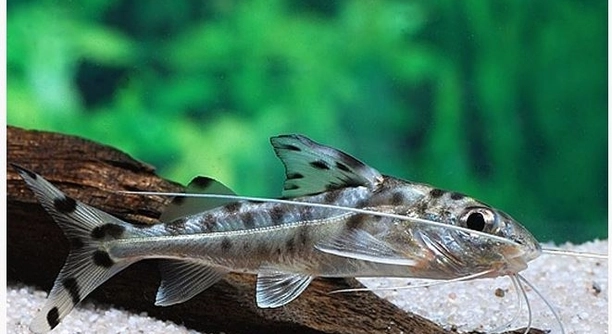
Is your Pictus catfish acting differently than usual in your aquarium? Many fish owners notice subtle changes but aren’t sure if their fish might be bored. Understanding your catfish’s behavior can help you create a better environment for it.
Pictus catfish show signs of boredom through reduced activity, hiding excessively, and lack of interaction with their environment. These behaviors indicate a lack of stimulation, which can negatively affect their health and well-being over time.
Recognizing these signs early can help improve your catfish’s daily life. Keeping your fish engaged ensures a happier and healthier tank environment for both you and your aquatic pet.
Signs Your Pictus Catfish Is Bored
When a Pictus catfish is bored, it often becomes less active and hides more than usual. You might notice it staying in one corner of the tank for long periods without exploring or swimming around. Sometimes, the fish will stop reacting to changes in its environment or ignore new objects. Boredom can also make your catfish restless, leading to unusual behaviors like constant scratching against the tank walls. These signs show that your fish needs more stimulation.
If your Pictus catfish is less lively, boredom is likely affecting it.
Providing an enriching environment helps keep your catfish curious and healthy. Adding plants, hiding spots, or gentle water movement can encourage natural behaviors. These small changes make the tank feel more like the fish’s natural habitat and reduce boredom. Watching your catfish explore and interact again will show the positive effects of a more engaging environment.
How to Keep Your Pictus Catfish Engaged
Offering new things to explore in the tank can prevent boredom.
Adding driftwood, rocks, or live plants creates hiding places and interesting areas for your catfish to swim around. You can also try rearranging the tank decorations occasionally to give your fish a fresh environment. Light water flow mimics natural conditions and encourages activity. Feeding varied foods like live or frozen insects can also stimulate natural hunting behavior. Keeping the tank clean and maintaining good water quality helps your catfish feel comfortable and active. By providing these changes, your catfish will stay engaged and less likely to show signs of boredom or stress.
Common Behaviors That Indicate Boredom
Pictus catfish may pace the tank repeatedly or hide for long periods when bored.
These fish naturally enjoy exploring and swimming actively. When they lack stimulation, they might swim in circles or stay still for hours. This repetitive movement or excessive hiding shows their need for more engaging surroundings. Boredom can also cause them to ignore feeding times or lose interest in interacting with tank mates, which can affect their overall health.
Sometimes, a bored catfish scratches itself against rough surfaces more than usual. This behavior is not harmful but signals frustration or restlessness. It means the fish is trying to find something to occupy its attention. Observing these signs early can help you improve their environment before stress causes health problems.
Environmental Changes That Help Pictus Catfish
Changing tank decorations regularly keeps your fish interested.
Switching plants, rocks, or adding new hiding spots refreshes the environment and encourages exploration. Even small changes, like moving existing objects, can spark curiosity. You might also consider gentle bubbles or a mild current to mimic a natural river habitat. These environmental tweaks reduce boredom and support natural behaviors. Regularly offering live or frozen foods also stimulates hunting instincts and keeps feeding times exciting. A well-maintained, dynamic tank helps your Pictus catfish stay active and healthy.
Feeding Habits and Boredom
Pictus catfish may lose interest in food when bored. They prefer variety and stimulation during feeding times.
Changing up their diet with live or frozen foods helps keep them engaged. Repetitive feeding of the same food can lead to disinterest and reduce their natural hunting behavior.
Interaction With Tank Mates
Pictus catfish are social but can become withdrawn if bored.
Encouraging interaction with peaceful tank mates promotes activity. Avoid overcrowding, which causes stress and reduces their natural behaviors. Keeping a balanced community supports mental stimulation and well-being for your catfish.
Lighting and Activity Levels
Proper lighting influences Pictus catfish activity.
Too bright or too dim lighting can cause stress or inactivity. A balanced light schedule that mimics natural day and night cycles helps maintain normal behaviors. Adjust lighting gradually to find what works best for your tank environment.
FAQ
How can I tell if my Pictus catfish is bored or sick?
Boredom and illness can look similar, but there are differences. Bored fish tend to hide a lot, swim in repetitive patterns, or show less interest in their environment. Sick fish may show physical signs like clamped fins, discoloration, or labored breathing. Monitoring behavior and appearance closely helps tell the difference.
Can changing tank decorations reduce boredom?
Yes. Changing decorations or adding new hiding spots creates a more stimulating environment. Pictus catfish enjoy exploring and hiding, so fresh layouts encourage natural behavior and reduce boredom.
How often should I rearrange the tank?
Rearranging every few weeks is enough to keep things interesting. Frequent changes might stress the fish, so balance new stimulation with stability.
What foods keep a Pictus catfish engaged?
Variety is key. Live or frozen foods like bloodworms or brine shrimp activate hunting instincts. Mixing pellets or flakes with occasional treats keeps feeding time exciting.
Is it normal for my Pictus catfish to hide a lot?
Some hiding is normal, especially during the day since they are more active at night. However, excessive hiding or refusing to come out can indicate boredom or stress.
Can lighting affect my catfish’s mood?
Yes. Bright lighting can stress Pictus catfish, causing them to hide more. A soft, dim light or a light cycle mimicking natural conditions helps them stay active and comfortable.
Do Pictus catfish need tank mates to avoid boredom?
They do better with peaceful tank mates. Social interaction encourages activity and reduces boredom. Avoid aggressive species that cause stress.
What tank size is best for preventing boredom?
A larger tank provides more space to explore, which reduces boredom. At least 30 gallons is recommended for Pictus catfish to swim freely and stay engaged.
How does water flow affect boredom?
A gentle current mimics their natural habitat and encourages swimming. Still water can lead to inactivity and boredom.
Can boredom affect my Pictus catfish’s health?
Yes. Boredom can lead to stress, making fish more vulnerable to disease. Keeping their environment stimulating promotes better health and longevity.
How do I know if my catfish is stressed?
Signs include erratic swimming, loss of appetite, hiding, or rubbing against surfaces excessively. Stress is often linked to poor tank conditions or boredom.
What else can I do to keep my Pictus catfish happy?
Regular tank maintenance, proper feeding, adding plants, and monitoring water quality all contribute to a happier fish. Small, consistent changes help keep boredom at bay and promote natural behavior.
Pictus catfish are lively and curious fish that need a stimulating environment to thrive. When their tank feels dull or empty, they can become bored, which affects their behavior and health. It is important to watch for signs like hiding too much, swimming in circles, or showing little interest in food and surroundings. Recognizing boredom early gives you the chance to improve their environment before it causes more serious issues. Simple changes such as adding plants, decorations, or gentle water flow can make a big difference in keeping your catfish active and happy.
Creating an engaging habitat for your Pictus catfish is not difficult. Small adjustments like rearranging tank decorations or offering varied foods can encourage natural behaviors like exploring and hunting. Keeping the tank clean and maintaining proper lighting also helps reduce stress and boredom. Since these catfish enjoy social interaction, having peaceful tank mates can support their mental well-being. Paying attention to their needs and making gradual improvements will help your fish feel more comfortable and stimulated every day.
Taking care of a Pictus catfish means more than just feeding and cleaning the tank. It involves understanding their behaviors and how their environment affects their mood and health. When you provide variety and enrichment, you give your catfish a better quality of life. A happy, engaged fish is more likely to stay healthy and live longer. By watching carefully and making thoughtful changes, you create a balanced and lively aquarium that benefits both you and your fish.

Hello,
If you enjoy the content that we create, please consider saying a "Thank You!" by leaving a tip.
Every little bit helps us continue crafting quality advice that supports the health, happiness, and well-being of pets around the world, for pets of all shapes, sizes, and species.
We really appreciate the kindness and support that you show us!