
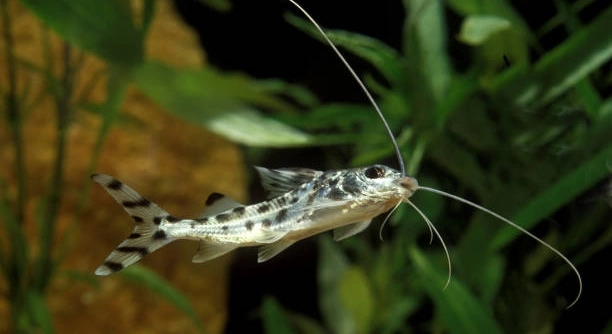
Are your Pictus catfish getting startled or stressed by their tankmates? Finding calm, compatible fish can make a big difference. Peaceful companions help maintain a balanced environment and reduce unnecessary aggression in a shared aquarium.
The best peaceful fish that won’t bother your Pictus include species like platies, mollies, corydoras, swordtails, kuhli loaches, cherry barbs, and danios. These fish are generally non-aggressive, active, and thrive in similar tank conditions as the Pictus catfish.
These seven fish are not only compatible but also easy to care for, making them ideal choices for maintaining a stress-free community tank.
Platies: Calm and Colorful Companions
Platies are a gentle species that bring both color and calm to your aquarium. They are small, peaceful, and adapt easily to community tanks. Their playful swimming habits do not bother bottom-dwellers like Pictus catfish. Platies prefer swimming in the middle or top areas of the tank, leaving plenty of space for the Pictus to move freely along the bottom. They come in a variety of colors and don’t require complex care routines, making them a popular choice for many aquarists. These fish also do well in slightly warmer water, matching the temperature range preferred by Pictus.
Platies are livebearers, so if you keep males and females together, you may notice a few fry from time to time.
When choosing platies, it’s best to keep them in small groups to encourage natural behavior. They tend to thrive in tanks with stable temperatures, moderate filtration, and plants or decorations for cover.
Mollies: Peaceful and Hardy
Mollies tend to swim in the upper levels of the tank, far from the Pictus. Their calm nature and similar water needs make them a suitable match.
Mollies are well-known for being adaptable and easygoing. These fish do best in clean, slightly brackish or freshwater tanks with steady temperatures. They are social and benefit from being kept in groups. While they are more active than some fish, mollies are not aggressive and typically ignore bottom-dwellers like Pictus catfish. Their easy compatibility is part of what makes them such a reliable option. Choose from different varieties like black, sailfin, or dalmatian mollies to add diversity to your tank without compromising harmony. Keep in mind that mollies are livebearers and may reproduce quickly, so be prepared for extra fry if you keep both genders. They enjoy tanks with live plants and open swimming areas, and their presence can help create a calm, visually interesting aquarium.
Corydoras: Gentle Bottom-Dwellers
Corydoras are small, peaceful catfish that won’t disturb your Pictus. They tend to stick to their group and stay in the lower tank levels, making them perfect tankmates for a relaxed environment.
These fish are known for their shy, social nature. They prefer living in groups of at least five, which helps reduce stress and encourages natural behavior. Since Corydoras and Pictus both occupy the bottom of the tank, it’s important to make sure there’s plenty of space and hiding spots for each. Corydoras aren’t territorial, so they won’t compete or pick fights over space. They’re also not food aggressive, meaning they’re unlikely to outcompete your Pictus at feeding time. Keep the substrate soft to protect their delicate barbels, and maintain clean water conditions.
Corydoras enjoy tanks with low water flow, live plants, and peaceful surroundings. Their playful digging behavior adds charm without creating stress for the Pictus.
Swordtails: Easygoing and Active
Swordtails are active swimmers that stay mostly in the middle and upper tank zones. They rarely interact with Pictus catfish, keeping the environment calm and balanced for both species. Their active but gentle nature makes them a compatible choice.
These fish are sturdy and can adapt well to a variety of freshwater conditions. Males have a long, sword-like tail that gives them their name, but it doesn’t make them aggressive. Swordtails do best in groups, especially when there are more females than males to avoid stress. They’re curious swimmers, but they keep to themselves and won’t chase or nip at other species. While they are livebearers, their breeding won’t overwhelm the tank if you maintain a balanced group. Provide plenty of swimming room, plants, and hiding areas to keep them content. Their energy brings life to the tank without overwhelming more sensitive species like the Pictus catfish.
Kuhli Loaches: Shy Yet Social
Kuhli loaches are peaceful bottom-dwellers that prefer hiding during the day and become more active at night. Their calm behavior helps them coexist with Pictus catfish without causing tension or competition.
They enjoy sandy substrates, driftwood, and low lighting. When kept in small groups, they’re more confident and display natural behaviors.
Cherry Barbs: Bright and Polite
Cherry barbs are small, colorful fish that swim in the middle areas of the tank. They are non-aggressive and tend to mind their own space, making them ideal companions for Pictus catfish. They feel most comfortable when kept in groups of six or more.
Danios: Fast but Friendly
Danios are quick swimmers that stay near the surface. Their speed and energy don’t bother Pictus catfish since they occupy different parts of the tank.
What are the best tank conditions for keeping Pictus with peaceful fish?
Pictus catfish prefer clean, well-oxygenated water with a temperature between 72 and 79°F (22–26°C). They thrive in tanks with moderate water flow and plenty of hiding spots. Peaceful fish that share these conditions will adapt well, reducing stress for all species involved.
Can Pictus catfish live peacefully with aggressive fish?
No, aggressive fish often stress or harm Pictus catfish. Pictus are sensitive and shy, so aggressive tankmates can cause injury or disrupt their natural behavior. It’s best to avoid aggressive species and stick to calm, non-territorial fish to maintain harmony.
How many peaceful fish can I keep with my Pictus catfish?
The number depends on tank size and species. A 30-gallon tank can comfortably hold one to three Pictus catfish with a small school of peaceful fish like Corydoras or platies. Overcrowding stresses fish and increases waste, so space is important.
Are live plants helpful in a tank with Pictus and peaceful fish?
Yes, live plants provide cover and reduce stress by mimicking natural environments. They help maintain water quality by absorbing nitrates and create hiding spots, especially for shy fish like Pictus and Kuhli loaches.
Do Pictus catfish require special feeding when kept with peaceful fish?
Pictus catfish are bottom feeders, so feeding sinking pellets or wafers is best. Peaceful mid-to-top swimmers like platies or mollies prefer flakes or pellets at the surface. Feeding in different areas prevents competition and ensures all fish get proper nutrition.
How do I prevent peaceful fish from becoming territorial?
Avoid overcrowding and provide plenty of hiding spaces with plants, caves, and decorations. Keeping fish in appropriate group sizes reduces territorial behavior. Maintaining stable water conditions also helps keep stress and aggression low.
Can peaceful fish reproduce easily in a community tank with Pictus?
Some peaceful fish, like platies and mollies, breed readily in community tanks. Fry survival depends on hiding spots and the behavior of tankmates. Pictus are generally not aggressive toward fry but may outcompete them for food.
What signs show that fish are stressed or incompatible?
Look for hiding, loss of appetite, damaged fins, or unusual aggression. Pictus may become reclusive or swim erratically if stressed. Peaceful fish showing chasing or fin-nipping indicate poor compatibility or overcrowding.
Is water hardness important for Pictus and peaceful fish compatibility?
Most peaceful companions of Pictus tolerate a range of water hardness but prefer soft to moderately hard water. Keeping consistent parameters that suit all species is key for their well-being.
How often should I clean the tank when keeping Pictus with peaceful fish?
Regular maintenance is essential. Weekly partial water changes of 20–30% help maintain water quality. Pictus produce moderate waste, and peaceful fish add to the bioload, so good filtration and cleaning routines prevent harmful buildup.
Can Pictus catfish live alone?
Pictus catfish can live alone but are social and more active with companions. Keeping multiple Pictus or compatible peaceful fish encourages natural behavior and reduces stress.
Are there fish to avoid when keeping with Pictus?
Avoid large aggressive species like cichlids or fin-nippers like tiger barbs. These fish can harm Pictus with their size or behavior. Sticking to peaceful, non-aggressive species ensures a calm tank environment.
How long do Pictus catfish live in a community tank?
With proper care, Pictus catfish can live 8 to 10 years. Stable water conditions, a balanced diet, and compatible tankmates contribute to their longevity.
What should I do if fish start fighting?
Remove the aggressor or separate fish into different tanks if fighting persists. Check water conditions and reduce overcrowding. Adding more hiding places can also calm tensions.
Can I add new peaceful fish after introducing Pictus?
Yes, but introduce new fish gradually. Quarantine new arrivals to avoid disease and acclimate them slowly to tank conditions. Monitor behavior to ensure peaceful integration.
Is it necessary to provide extra oxygen for a tank with Pictus and peaceful fish?
Good oxygen levels are important for all fish. Use an air stone or a filter that creates surface agitation. Proper aeration supports the active nature of many peaceful fish and Pictus catfish’s oxygen needs.
Choosing peaceful fish to keep with your Pictus catfish can make a big difference in the health and harmony of your aquarium. When fish live together without stress or aggression, they show more natural behavior and enjoy a better quality of life. The seven peaceful fish discussed—platies, mollies, corydoras, swordtails, kuhli loaches, cherry barbs, and danios—are all well-suited to share a tank with Pictus catfish. They generally stay in different areas of the tank or behave calmly, which helps reduce conflict. This balance is important because Pictus catfish can be shy and sensitive, so tankmates should not be too active or aggressive.
Keeping a peaceful tank requires attention to water quality, tank size, and the right environment. Each species has its own needs, but most peaceful fish that live well with Pictus prefer clean water with stable temperatures and hiding places. Plants, caves, and smooth substrate help create a safe space where all fish can thrive. Feeding is also important; providing food that sinks to the bottom for the Pictus and separate food for fish that eat at the surface or in the middle of the tank helps prevent competition. Regular maintenance, such as partial water changes and filter cleaning, supports the overall health of the community.
It is also useful to observe your fish regularly. Watching their behavior can show early signs of stress or problems before they get worse. If any fish show aggression or hide for long periods, it may be necessary to adjust tank conditions or separate the fish. Choosing peaceful companions and creating a calm environment gives your Pictus catfish the best chance to live comfortably and display their natural, peaceful nature. With care and planning, your aquarium can be a relaxing and beautiful space for all its inhabitants.

Hello,
If you enjoy the content that we create, please consider saying a "Thank You!" by leaving a tip.
Every little bit helps us continue crafting quality advice that supports the health, happiness, and well-being of pets around the world, for pets of all shapes, sizes, and species.
We really appreciate the kindness and support that you show us!