
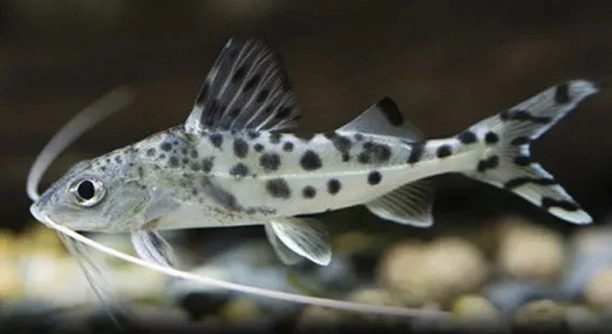
Do you ever find yourself unsure about the best water temperature for your pictus catfish to stay healthy and active? Keeping the right conditions is important to support their behavior, growth, and overall well-being in the tank.
Pictus catfish need a stable water temperature between 72°F and 80°F (22°C to 27°C). This range mimics their natural tropical environment and helps maintain their immune system, appetite, and activity levels in home aquariums.
Maintaining this temperature range helps prevent stress and supports their health throughout their lifespan in a freshwater setup.
Why Water Temperature Matters for Pictus Catfish
Pictus catfish are sensitive to temperature changes, and keeping their water within the ideal range is essential for their health. When temperatures fall outside the 72°F to 80°F range, these fish can become stressed or sluggish. Low temperatures may weaken their immune system, making them more prone to illness. On the other hand, high temperatures can reduce oxygen levels and increase metabolic stress. Stable, warm conditions help support their natural activity levels, promote digestion, and keep their immune response strong. Using an aquarium heater and thermometer can help maintain consistency. Sudden shifts in temperature should always be avoided, as they can shock the fish and lead to long-term health problems. It’s also helpful to perform regular water checks and keep the aquarium away from windows or vents that may cause temperature swings. Consistent warmth ensures that your pictus catfish stays active and healthy every day.
Temperature impacts their energy, behavior, and overall comfort. Keeping it steady helps prevent health problems and supports their natural rhythm in the tank.
Warm, steady water gives your pictus catfish the conditions it needs to explore, eat, and thrive with ease inside your aquarium setup.
Signs the Temperature Is Off
If the water is too warm or too cold, pictus catfish will show clear signs. They may swim less, lose appetite, or stay hidden more often.
When temperatures drop too low, pictus catfish tend to become sluggish and less responsive. Their immune systems weaken, which makes them vulnerable to infections and other issues. You may also notice them hiding more and avoiding food. If the temperature rises above the ideal range, they may swim frantically or gasp near the water surface due to low oxygen. Overheating can speed up their metabolism and lead to fatigue. Watching for these changes is helpful in catching problems early. A reliable aquarium thermometer is essential, and placing the tank away from heat sources like windows or radiators can reduce risk. In the case of high temperatures, ensure there’s adequate surface movement from filters or air stones to keep oxygen levels up. Adjust heaters gradually to avoid temperature shocks.
How to Maintain the Right Temperature
Use a dependable aquarium heater to keep the water within the 72°F to 80°F range. Heaters with built-in thermostats are helpful because they automatically regulate fluctuations and reduce the chance of harmful temperature swings.
Place the heater near water flow, such as close to the filter output, so heat spreads evenly. Always use a thermometer to monitor the temperature daily. Digital thermometers are easy to read and accurate, while stick-on ones can serve as backups. During warmer months, room temperature can affect the tank, so keep the aquarium away from direct sunlight and air vents. If the tank gets too hot, consider using a fan to cool the water surface slightly. Water changes should also match the tank’s temperature to avoid sudden shocks. If you ever need to adjust the heater, do it slowly over several hours to prevent stressing the fish.
Regular maintenance also helps with temperature control. Clean the filter monthly to ensure proper flow, which keeps heat distribution consistent. Avoid overfeeding, as leftover food breaks down and may affect water quality, which in turn impacts temperature stability. Make sure the tank’s lid fits well to prevent heat loss overnight. Stable conditions support active, healthy pictus catfish without much fuss.
Ideal Tank Setup for Temperature Control
A larger tank holds temperature more consistently than a small one. Aim for at least 55 gallons, as it allows better control and gives your pictus catfish enough room to move comfortably.
Substrate and decorations also play a role. Smooth gravel or sand retains some warmth, and placing a heater near one end of the tank helps distribute heat through the current. Keep cords and electronics safe and dry, positioned securely to avoid accidents. If using two heaters in larger tanks, place them at opposite ends to prevent uneven temperatures. Consider using a backup power source, especially in winter, to avoid temperature drops during outages. Insulating the tank’s sides with background foam or placing it on a foam mat can reduce heat loss. Always monitor heater function, especially if it’s older, and replace it if it becomes unreliable. A stable tank setup reduces daily adjustments and keeps your fish safe.
How Temperature Affects Feeding and Activity
When the water is too cold, pictus catfish often lose interest in food and become less active. Their metabolism slows down, which can lead to digestive problems and low energy throughout the day.
Warmer temperatures within the safe range help improve their appetite and movement. They swim more, eat regularly, and stay alert.
Temperature Fluctuations During the Day
Natural shifts of one or two degrees are usually fine, but larger swings can cause stress. Avoid placing the tank near windows, heaters, or drafty areas. A consistent room temperature and a good heater help limit changes and keep your fish stable.
Nighttime Temperature Drops
At night, temperatures can drop slightly, especially in cooler rooms. Using a reliable heater with a thermostat helps keep things steady. Make sure your tank has a lid to trap warmth and prevent overnight dips that could stress your pictus catfish.
FAQ
What is the best temperature range for pictus catfish?
The best temperature range for pictus catfish is between 72°F and 80°F (22°C to 27°C). This range supports their natural behavior and health. Keeping the water stable within these limits helps avoid stress and illness.
Can pictus catfish survive in cooler water?
Pictus catfish can tolerate slightly cooler water, but prolonged exposure below 70°F (21°C) is not recommended. Cooler water slows their metabolism, reduces activity, and weakens their immune system, increasing the risk of disease.
What happens if the water is too warm?
Water above 80°F (27°C) can cause pictus catfish to become stressed. High temperatures lower oxygen levels, which can make breathing difficult. They may also become more active initially, but this leads to exhaustion and health problems over time.
How do I know if the water temperature is stressing my fish?
Signs of temperature stress include lethargy, loss of appetite, hiding more than usual, or rapid breathing near the surface. Sudden behavior changes usually point to temperature issues or other water quality problems.
Is it necessary to have a heater in the tank?
Yes, a heater is essential for maintaining a steady temperature, especially in cooler climates or during colder months. Heaters with built-in thermostats are best to prevent temperature swings and keep your pictus catfish comfortable.
How often should I check the water temperature?
Check the temperature daily to ensure it stays within the recommended range. Using a digital thermometer provides quick and accurate readings. Regular monitoring helps catch problems early before they affect the fish.
Can I use two heaters in one tank?
Using two heaters can be helpful in larger tanks to maintain even heating. Place them at opposite ends to avoid hot or cold spots. Make sure both have thermostats and monitor the temperature closely.
What role does water circulation play in temperature control?
Good water circulation spreads heat evenly throughout the tank, preventing cold or warm zones. Filters and powerheads help move water, ensuring stable temperatures and improving oxygen exchange for healthier fish.
How do room temperature and placement affect the tank’s water temperature?
Room temperature greatly influences tank water. Avoid placing the tank near windows, vents, or direct sunlight, which can cause temperature swings. Keep the tank in a stable environment to maintain consistent conditions.
Can sudden temperature changes harm pictus catfish?
Yes, sudden temperature changes can shock pictus catfish. This stress weakens their immune system, making them more vulnerable to illness. Always adjust temperature slowly and avoid exposing them to rapid environmental changes.
Are there any signs that indicate the heater is malfunctioning?
If you notice sudden temperature drops or spikes, unusual fish behavior, or inconsistent heater temperature readings, the heater might be faulty. Replace or repair heaters promptly to prevent harm to your fish.
Is it okay to turn off the heater at night?
It’s not recommended to turn off the heater at night, especially if room temperatures drop below the ideal range. Consistent warmth supports your pictus catfish’s health and prevents stress from temperature fluctuations.
What should I do if the temperature gets too high?
If the water temperature rises too high, improve cooling by increasing air circulation near the tank or using a fan to cool the water surface. Partial water changes with cooler water can also help lower temperature safely.
How long does it take for pictus catfish to adjust to a new temperature?
Pictus catfish may take several days to adjust to temperature changes if the change is gradual. Sudden shifts should be avoided, as they cause stress and health risks. Always change temperature slowly over hours or days.
Can temperature affect breeding in pictus catfish?
Yes, temperature influences breeding behavior. Stable warm water around 78°F to 80°F encourages spawning, while cooler or fluctuating temperatures can delay or prevent breeding activity. Maintaining ideal temperature supports reproductive health.
Is it safe to combine pictus catfish with other species in the same temperature range?
Yes, pictus catfish can be kept with other tropical fish that thrive in similar temperature ranges. Make sure all species share compatible temperature and water quality needs to reduce stress and promote a healthy tank environment.
Maintaining the right water temperature is a key part of caring for pictus catfish. These fish come from warm tropical environments, so they need water between 72°F and 80°F to stay healthy and active. Keeping the water temperature steady in this range helps support their immune system, appetite, and natural behavior. Sudden changes or extreme temperatures can cause stress and health problems, so it is important to monitor the tank regularly. Using a reliable heater with a thermostat and a good thermometer makes it easier to keep conditions stable. Small daily checks can prevent many issues before they start.
Setting up the tank properly also plays a role in maintaining temperature. Larger tanks hold heat better and are easier to keep stable compared to smaller ones. Positioning the heater where water flow is strong helps spread heat evenly throughout the tank. Avoid placing the aquarium near windows, vents, or other spots that cause temperature swings. Insulating the tank and using a lid can help keep heat inside, especially overnight. Regular cleaning and maintenance of the filter and heater ensure everything works efficiently. Taking these steps reduces stress on your pictus catfish and helps them stay healthy over time.
Remember that temperature affects many parts of your pictus catfish’s life. It influences how active they are, their eating habits, and their overall well-being. By keeping water conditions consistent and in the right range, you give your fish the best chance to thrive. Paying attention to signs of temperature stress or heater problems lets you take quick action when needed. A stable tank environment benefits not only pictus catfish but all the aquatic life in your care. Following these simple practices makes maintaining your aquarium easier and more enjoyable in the long run.

Hello,
If you enjoy the content that we create, please consider saying a "Thank You!" by leaving a tip.
Every little bit helps us continue crafting quality advice that supports the health, happiness, and well-being of pets around the world, for pets of all shapes, sizes, and species.
We really appreciate the kindness and support that you show us!