
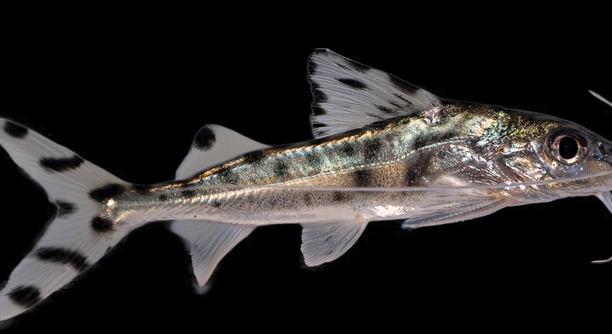
Are you thinking about adding some lively fish to your home aquarium? Pictus catfish are a popular choice among fish keepers because of their active nature and interesting appearance. Many beginners consider them for their first tank.
Pictus catfish are generally suitable for beginners due to their hardy nature and ease of care. They require a well-maintained tank with moderate water flow, proper hiding spots, and a balanced diet to thrive healthily.
Learning about their specific needs can make keeping pictus catfish easier and more enjoyable for new fish owners. This article will help you understand what to expect when caring for these lively fish.
Basic Care Requirements for Pictus Catfish
Pictus catfish need a tank that is at least 30 gallons to give them enough space to swim. They prefer a tank with moderate water flow and a sandy or fine gravel substrate to protect their sensitive barbels. It’s important to include plenty of hiding places like caves or plants because these fish like to feel secure. The water temperature should be kept between 72 and 78 degrees Fahrenheit, and the pH level should stay neutral to slightly alkaline, around 6.5 to 7.5. Regular water changes are needed to maintain water quality since pictus catfish are sensitive to poor conditions. Feeding them a varied diet that includes sinking pellets, live or frozen foods like bloodworms, and occasional vegetables will keep them healthy and active. These basic needs make it easier for new fish keepers to keep pictus catfish without much stress.
Good filtration and stable water parameters are essential to keep pictus catfish healthy in a home aquarium.
With the right setup, pictus catfish can live peacefully and show their lively behavior, making them a rewarding addition to your tank.
Behavior and Compatibility
Pictus catfish are generally peaceful and active fish that swim mostly at night. They prefer to be kept in groups of three or more, which helps reduce stress and encourages natural behavior. These catfish get along well with other non-aggressive fish of similar size but may eat very small fish or shrimp. They use their barbels to search for food at the bottom of the tank and are known for their quick, darting movements. Because they are active swimmers, they need enough open space in the tank to move around freely. They also avoid bright light and appreciate shaded areas. When kept in a suitable environment, pictus catfish can add life and energy to a community tank without causing problems.
Choosing compatible tank mates and providing enough space helps maintain harmony in your aquarium.
Pictus catfish’s social nature means they rarely do well alone. Keeping them in small groups reduces loneliness and encourages natural behavior, such as exploring and foraging. They may hide during the day but become very active at night, so it’s important to observe them during their active hours to notice their health and behavior. While they are mostly peaceful, their quick movements might startle slower fish. It’s best to avoid very small or delicate species that could be seen as food. Providing enough hiding spots and soft lighting also helps them feel safe. Overall, they fit well in community tanks with other peaceful fish of similar size, making them a versatile choice for beginners.
Tank Setup Tips
A tank for pictus catfish needs plenty of open swimming space and shaded hiding spots. Decorations should be smooth to avoid damaging their barbels.
Use a soft substrate like sand or fine gravel to protect their sensitive barbels. Avoid sharp rocks or rough surfaces. Add caves, driftwood, and plants for hiding and shelter. Moderate water flow helps mimic their natural environment but avoid strong currents that could stress them. Keep the tank clean with regular water changes and a good filtration system to maintain healthy water conditions. Proper lighting should be dim or indirect to help them feel secure.
Placing decorations and plants strategically creates both hiding spaces and open areas for swimming. This balance keeps pictus catfish comfortable and active, helping reduce stress and promote natural behavior.
Feeding and Nutrition
Pictus catfish are bottom feeders that enjoy a diet of sinking pellets, frozen or live foods like bloodworms and brine shrimp. Supplementing with occasional vegetable matter can improve their health. They prefer feeding at night but will often eat during the day in a calm tank. Feeding small amounts two times a day is best to avoid overfeeding and water pollution.
Offering a varied diet meets their nutritional needs and keeps them energetic. Avoid feeding flakes as these float on the surface and may not reach the bottom where pictus catfish feed. Healthy nutrition supports their active lifestyle and helps them grow properly.
Watching their eating habits regularly helps detect any health problems early. If a fish stops eating or shows changes in behavior, water quality and diet should be checked immediately to prevent illness.
Common Health Issues
Pictus catfish can be prone to fin rot and bacterial infections if water quality is poor. Maintaining clean water is essential to prevent these problems.
Watch for signs like faded colors, torn fins, or unusual swimming patterns. Early detection helps keep your fish healthy and happy.
Tank Mates to Avoid
Avoid keeping pictus catfish with very small fish or slow-moving species. They may chase or eat smaller tank mates, causing stress or injury.
Aggressive fish should also be avoided since pictus catfish prefer a peaceful environment. Choosing compatible tank mates ensures a balanced and safe aquarium.
Lifespan and Growth
Pictus catfish can live up to 8 years with proper care. They grow quickly, reaching about 4 to 5 inches in length within their first year.
Breeding Difficulty
Breeding pictus catfish in a home aquarium is rare and challenging due to their specific water and environment needs.
FAQ
How big do pictus catfish get?
Pictus catfish usually grow to about 4 to 5 inches long in home aquariums. In some cases, they can reach up to 6 inches, but this is less common. Because they are active swimmers, they need enough space to move around comfortably, so a tank of at least 30 gallons is recommended for a small group.
Are pictus catfish good for community tanks?
Yes, pictus catfish are generally good for community tanks, especially when paired with peaceful, medium-sized fish. They do best with tank mates that are not too small, as pictus may see very tiny fish or shrimp as food. Avoid aggressive or territorial fish to prevent stress or injury.
What do pictus catfish eat?
Pictus catfish are bottom feeders and enjoy sinking pellets, live or frozen foods like bloodworms, brine shrimp, and occasionally vegetable matter. They are opportunistic eaters, so a varied diet helps keep them healthy. Avoid flake foods since these float and may not reach them.
How often should I feed my pictus catfish?
Feeding twice a day in small amounts is best. Overfeeding can pollute the tank and cause health problems. Make sure all food is eaten within a few minutes to avoid leftover waste. Watching feeding behavior also helps detect any health issues early.
What water conditions do pictus catfish need?
They prefer a temperature range of 72 to 78 degrees Fahrenheit, a pH between 6.5 and 7.5, and moderate water flow. Clean water is essential; perform regular water changes and use a good filtration system to keep water parameters stable.
Can pictus catfish live alone?
Pictus catfish are social fish that do better in groups of at least three. Keeping just one can cause stress and loneliness, leading to less active and unhealthy fish. Group living encourages natural behaviors like foraging and swimming.
How do I care for pictus catfish barbels?
Their barbels are sensitive and can get damaged by sharp or rough tank decorations. Use soft substrates like sand or fine gravel and smooth tank decorations. Keep water clean to prevent infections. If barbels look damaged or inflamed, check water quality and adjust the environment.
How long do pictus catfish live?
With proper care, pictus catfish can live up to 8 years. Good water quality, a balanced diet, and a stress-free environment are key to reaching this lifespan.
Are pictus catfish easy to breed?
Breeding pictus catfish in a home aquarium is difficult. They require specific water conditions and triggers like temperature changes to breed, which are hard to replicate at home. Most hobbyists do not successfully breed them.
What are signs of stress in pictus catfish?
Signs include hiding excessively, loss of appetite, faded color, or erratic swimming. Stress is often caused by poor water quality, aggressive tank mates, or unsuitable tank conditions. Address these problems quickly to keep your fish healthy.
Do pictus catfish need special lighting?
Pictus catfish prefer dim or indirect lighting because they are nocturnal and shy away from bright light. Using floating plants or shaded areas helps reduce stress and encourages natural behavior.
How can I prevent fin rot in pictus catfish?
Fin rot is usually caused by poor water conditions. Regular water changes, good filtration, and avoiding overcrowding help prevent this. If you notice torn or discolored fins, improve water quality and consider treatment with aquarium-safe medication.
Can pictus catfish live with shrimp?
It’s not recommended to keep pictus catfish with small shrimp species, as the catfish may see them as food. Larger, fast-moving shrimp might survive, but it’s safer to avoid shrimp in tanks with pictus catfish.
What tank size is best for pictus catfish?
A minimum tank size of 30 gallons is recommended for a small group of pictus catfish. Larger tanks allow for more swimming space and better water quality, which supports their active nature and social behavior.
How often should I clean the tank for pictus catfish?
Perform partial water changes of 20-30% weekly to maintain clean water. Remove uneaten food and debris regularly. Good tank maintenance prevents disease and keeps your catfish healthy.
Can pictus catfish jump out of the tank?
Yes, pictus catfish can jump, especially if stressed or startled. It’s important to have a secure lid on your tank to prevent accidents.
This FAQ covers many common concerns and can help you provide the best care for pictus catfish in your aquarium.
Pictus catfish can be a great choice for those who are new to keeping fish. They are hardy and active, making them interesting to watch. With the right tank setup, including enough space, clean water, and proper hiding spots, these fish can live comfortably for many years. They do best in groups, so it is good to keep at least three together. This helps them stay happy and show their natural behavior. Keeping their tank clean and feeding them a balanced diet will make sure they stay healthy and active.
Caring for pictus catfish does require some attention to detail, but it is not difficult. Their sensitive barbels need a soft substrate to avoid damage, and their water should be kept clean with regular changes. These catfish prefer dim lighting and moderate water flow, which mimic their natural environment. Choosing the right tank mates is important as well. Avoid small or aggressive fish, and instead select peaceful species that can share the tank without stress. Paying attention to their behavior will help you notice any problems early, allowing you to make adjustments before health issues arise.
Overall, pictus catfish are manageable for beginners who are willing to learn about their needs. They bring life and activity to a community tank and can be rewarding to care for. Understanding their basic requirements and providing proper care will help you enjoy watching these lively fish for years. If you want an active, peaceful species that adds character to your aquarium, pictus catfish are definitely worth considering. With patience and proper care, they make a solid addition to many home tanks.

Hello,
If you enjoy the content that we create, please consider saying a "Thank You!" by leaving a tip.
Every little bit helps us continue crafting quality advice that supports the health, happiness, and well-being of pets around the world, for pets of all shapes, sizes, and species.
We really appreciate the kindness and support that you show us!