
Pictus catfish are popular in many home aquariums because of their unique look and lively behavior. They bring a quiet charm and active presence to freshwater tanks. Many fish lovers enjoy learning more about these fascinating creatures.
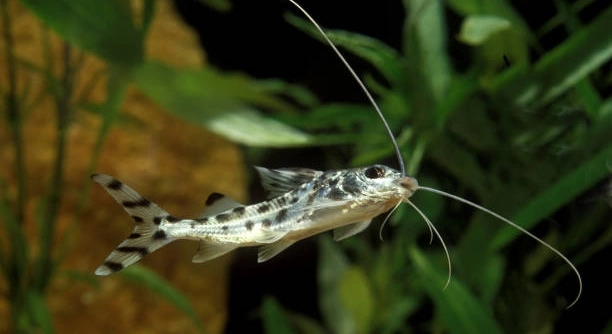
Pictus catfish (Pimelodus pictus) are small, nocturnal freshwater fish native to South America. They are known for their distinctive spotted patterns and long whisker-like barbels, which help them sense their environment in dark waters. Their peaceful nature makes them suitable for community tanks.
These cool facts will help you understand why pictus catfish are such interesting pets. Knowing more about them can improve how you care for these lively fish in your aquarium.
Unique Appearance and Behavior
Pictus catfish stand out because of their striking appearance. They have silver bodies covered with small black spots, making them easy to recognize. Their long whiskers, called barbels, are especially noticeable and help them explore their surroundings. These barbels are sensitive and allow the fish to find food even in dark or murky water. Their fins are sharp and help them move quickly when needed. Unlike many fish, pictus catfish are quite active, often swimming near the bottom but sometimes exploring the middle of the tank. They prefer to stay in groups, which adds energy to their behavior. Watching them interact can be quite entertaining since they sometimes chase each other or dart quickly across the tank. Their playful nature combined with their unique look makes them a favorite for many aquarists.
This combination of appearance and behavior helps pictus catfish thrive in both natural and aquarium environments.
Many owners enjoy how their pictus catfish bring life to the tank. Their activity encourages a dynamic tank atmosphere, and their graceful movements are calming to watch. Because they are mostly nocturnal, they tend to be more active at night, adding interest during those hours. Their natural curiosity also means they can be seen investigating plants and decorations, which keeps the aquarium environment lively. Proper care, including a suitable tank setup with hiding spots, ensures they remain healthy and active. This helps keep their behavior natural and engaging for anyone watching.
Nocturnal Habits and Tank Care
Pictus catfish are mostly active at night, which is when they do most of their swimming and feeding.
Because they are nocturnal, it’s important to provide hiding places like caves or plants during the day to help them feel safe. A soft substrate is best since they like to dig and explore the bottom. These catfish prefer a tank with clean, well-oxygenated water and a moderate current. Regular water changes and maintaining stable temperatures between 72-79°F (22-26°C) are necessary for their well-being. Their diet includes sinking pellets, live or frozen foods like bloodworms, and small insects. Avoid keeping them with aggressive fish, as pictus catfish are peaceful and can be stressed by larger or hostile tank mates. A group of at least three is ideal, as they feel more comfortable and show better behavior in company. Providing a suitable environment helps maintain their health and natural habits.
Pictus Catfish Diet and Feeding
Pictus catfish are omnivores, meaning they eat both plant and animal matter. Their diet in captivity should be balanced to keep them healthy.
They prefer foods that sink to the bottom since they mostly feed near the tank floor. Sinking pellets designed for bottom feeders work well. They also enjoy live or frozen foods such as bloodworms, brine shrimp, and daphnia. Occasionally, offering vegetables like blanched zucchini or cucumber provides variety and nutrients. Feeding them once or twice a day in small amounts helps avoid overfeeding, which can cause water quality issues.
It’s important to ensure their diet is rich in protein to support their active lifestyle. Supplementing with occasional treats can keep them interested in feeding. Avoid feeding flakes or foods that float on the surface since they may not reach the catfish effectively. Regularly monitoring their eating habits helps spot health problems early and keeps your catfish thriving.
Tank Mates and Compatibility
Pictus catfish are peaceful but can be stressed by aggressive or overly large fish.
Good tank mates include small to medium-sized peaceful species like tetras, guppies, and corydoras. Avoid keeping them with large cichlids or fin-nippers, as these can harm their long barbels and cause stress. Because pictus catfish are nocturnal, they often share the tank with fish that are active during the day, which helps reduce competition. A community tank with enough space and hiding spots allows all species to coexist comfortably. Proper compatibility helps maintain a calm and healthy tank environment for everyone involved.
Lifespan and Growth
Pictus catfish usually live around 8 to 10 years with proper care. Their growth can reach up to 5 inches in length.
Growth rates depend on diet and tank conditions. A balanced diet and clean water help them grow healthily.
Breeding Pictus Catfish
Breeding pictus catfish in home aquariums is quite challenging. They need specific water conditions, like slightly acidic pH and warm temperatures around 78°F. Spawning often requires a separate breeding tank with gentle water flow. Males and females look similar, but females tend to be slightly rounder. After spawning, eggs hatch in about 3 days. The fry are very small and need special care, including tiny live foods like infusoria. Due to their difficulty, most keepers prefer to buy young catfish instead of breeding them at home.
Common Health Issues
Pictus catfish can face health problems if tank conditions are poor. Regular water testing and maintenance help prevent illnesses.
FAQ
How big do pictus catfish get?
Pictus catfish typically grow up to 4 to 5 inches in length. Their size depends on tank conditions, diet, and overall care. In a well-maintained tank with good nutrition, they reach their full size faster and stay healthy longer. They need enough space to swim freely because they are active fish.
Are pictus catfish aggressive?
Pictus catfish are generally peaceful but can show some mild territorial behavior, especially if they don’t have enough space. They do best in groups of at least three to reduce aggression. Keeping them with calm tank mates helps maintain harmony in the aquarium.
What do pictus catfish eat?
Their diet includes sinking pellets, live or frozen foods like bloodworms, brine shrimp, and small insects. Occasionally, they enjoy blanched vegetables such as zucchini or cucumber. Feeding small amounts once or twice daily prevents overfeeding and water pollution.
Can pictus catfish live with other fish?
Yes, pictus catfish do well with peaceful, similarly sized fish like tetras, guppies, and corydoras. Avoid large or aggressive fish that might nip their barbels or bully them. Providing hiding spots and enough space helps all fish coexist peacefully.
How often should I feed pictus catfish?
Feeding once or twice a day is enough. Offer only what they can eat in a few minutes to avoid leftover food spoiling the water. Monitoring their eating habits helps detect health issues early.
Do pictus catfish need special tank conditions?
They prefer clean, well-oxygenated water with a temperature between 72-79°F (22-26°C). A moderate water flow mimics their natural habitat. Soft substrate and plenty of hiding places reduce stress and encourage natural behavior.
How long do pictus catfish live?
With proper care, pictus catfish live around 8 to 10 years. Maintaining good water quality, a balanced diet, and a stress-free environment contributes to their longevity.
Is breeding pictus catfish difficult?
Yes, breeding them at home is challenging. They require precise water conditions, such as slightly acidic pH and stable temperatures around 78°F. Breeding usually needs a separate tank and special care for the fry.
Why do pictus catfish hide often?
These catfish are mostly nocturnal, so they rest and hide during the day. Providing caves and plants helps them feel secure. Hiding is normal behavior, but excessive hiding might indicate stress or poor water quality.
What should I do if my pictus catfish gets sick?
First, check water parameters and improve tank cleanliness. Quarantine sick fish if possible. Consult a vet or experienced aquarist for diagnosis and treatment options. Early detection and good tank maintenance are key to recovery.
Can pictus catfish tolerate different water types?
They prefer slightly acidic to neutral water but can adapt to a range of conditions if changes are gradual. Sudden shifts in pH or temperature can stress them, so stability is important for their health.
Are pictus catfish noisy or disruptive?
No, pictus catfish are quiet and do not create noise. They bring activity and interest to the tank without disturbing the environment. Their peaceful presence makes them suitable for many community setups.
Do pictus catfish need special lighting?
They do not need bright light and often prefer dimmer conditions. Too much light can stress them since they are nocturnal. Using low or moderate lighting with shaded areas helps keep them comfortable.
What kind of tank size is best for pictus catfish?
A tank of at least 30 gallons is recommended, especially for groups. This size provides enough space for swimming and reduces territorial conflicts. Larger tanks help maintain stable water conditions, which benefits their health.
Can pictus catfish live alone?
They can survive alone but tend to be more active and less stressed in groups. Keeping at least three pictus catfish encourages natural social behavior and improves their overall well-being.
How do I clean the tank without stressing pictus catfish?
Perform regular partial water changes and clean the substrate gently to avoid disturbing them. Avoid sudden temperature changes and keep noise low during maintenance. Providing hiding spots helps reduce their stress during cleaning.
Pictus catfish are interesting and lively fish that can add a lot to a home aquarium. Their spotted bodies and long whiskers give them a unique look that many fish keepers enjoy. These catfish are peaceful and active, making them great companions for other calm fish. They do best in groups and like to explore the tank, especially during the night. Taking care of them requires attention to water quality, diet, and tank setup. When these needs are met, pictus catfish can live a long and healthy life, bringing quiet energy to the tank.
Caring for pictus catfish means providing the right environment and food. They need clean water with moderate flow and places to hide during the day. Their diet should include sinking pellets and occasional live or frozen foods to meet their nutritional needs. Feeding them the right amount is important to avoid leftover food that can harm the water quality. They also prefer softer substrates since they like to search for food near the bottom. Being mostly nocturnal, they are more active at night, so a tank setup that allows them to feel safe during the day is helpful.
Overall, pictus catfish are a good choice for people who want a peaceful, easy-going fish with interesting behaviors. They require a bit of care and attention, but nothing too difficult. Watching their playful swimming and social interactions can be quite rewarding. Making sure their tank is well-maintained and their needs are met helps keep these fish healthy and happy for many years. If you want a small group of active but gentle fish, pictus catfish could be the right fit for your aquarium.

Hello,
If you enjoy the content that we create, please consider saying a "Thank You!" by leaving a tip.
Every little bit helps us continue crafting quality advice that supports the health, happiness, and well-being of pets around the world, for pets of all shapes, sizes, and species.
We really appreciate the kindness and support that you show us!