
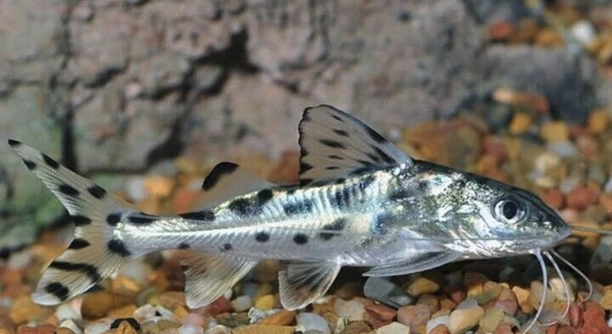
Having a Pictus Catfish that won’t eat can be frustrating for any fish owner. These lively fish are usually eager eaters, so when they stop feeding, it often signals something important. Understanding the reasons behind this behavior is key to keeping them healthy.
Pictus Catfish may refuse food due to stress, poor water conditions, illness, improper diet, tank mates, changes in environment, or age-related factors. Each of these elements can impact their appetite and overall well-being significantly.
Knowing these causes will help you better care for your catfish and create a happier tank environment for them to thrive in.
Stress and Its Impact on Appetite
Stress is a common reason why Pictus Catfish might stop eating. Changes in their environment, such as new tank decorations or loud noises, can cause them to feel unsettled. Even overcrowding in the tank or aggressive tank mates can make these fish nervous and less willing to eat. Stress affects their natural behavior and lowers their immune system, making them more vulnerable to illness. Keeping the tank calm and stable is important for their health. Regular water changes, gentle handling, and avoiding sudden changes can help reduce stress. Observing your catfish closely for signs of stress, like hiding or frantic swimming, can help you act quickly. When stress is controlled, Pictus Catfish are more likely to return to normal eating habits and maintain good health.
Stress reduces a fish’s appetite because it triggers hormones that affect digestion and energy use. Calm conditions improve feeding behavior.
Creating a peaceful tank environment and minimizing stressors is essential. Ensuring compatible tank mates and maintaining consistent water parameters keeps your catfish comfortable and eating well.
Poor Water Quality and Its Effects
Poor water quality is one of the most critical factors that cause appetite loss in Pictus Catfish. Dirty water leads to high levels of toxins like ammonia and nitrites, which irritate the fish and can cause serious health problems. Even slight changes in pH or temperature can stress the fish and reduce their willingness to eat. Regular testing and maintenance of the tank water are necessary to prevent these issues. Frequent water changes, using a good filtration system, and avoiding overfeeding help keep the water clean. Clean water supports the fish’s digestion and overall vitality. If water conditions worsen, catfish may become lethargic and stop eating altogether. Paying close attention to water quality protects your fish from sickness and encourages a healthy appetite, ensuring they remain active and vibrant.
Illness or Disease
Illness can cause a Pictus Catfish to lose its appetite quickly. Parasites, bacterial infections, or fungal diseases all affect their ability to eat normally.
When a catfish is sick, it often shows other signs like clamped fins, unusual swimming patterns, or visible spots on the body. These symptoms signal that the fish needs attention. Illness disrupts digestion and causes discomfort, leading to appetite loss. Treating the tank with appropriate medication and isolating the affected fish can prevent the problem from spreading. Keeping the tank clean and avoiding sudden changes helps reduce the risk of illness.
Early detection and treatment of diseases are important to help your catfish recover. Ignoring signs of sickness can lead to serious health problems, which may become harder to fix and cause longer feeding issues.
Diet and Feeding Habits
Improper diet is a common cause of refusal to eat in Pictus Catfish. These fish need a balanced diet with protein-rich foods like sinking pellets, bloodworms, and occasional vegetables. Feeding only flakes or inappropriate food makes them lose interest.
Pictus Catfish are bottom feeders and prefer food that sinks quickly. Feeding floating food may cause them to miss meals. Overfeeding can also reduce their appetite, as leftover food decomposes and harms water quality. It’s important to feed small amounts once or twice daily and remove uneaten food promptly. Offering variety keeps them interested and ensures they get all necessary nutrients.
Changing the diet slowly helps your catfish adjust without stress. Watching their feeding behavior and adjusting portions prevents waste and maintains a healthy appetite.
Tank Mates and Their Influence
Aggressive or overly active tank mates can intimidate Pictus Catfish, making them shy away from food. Peaceful companions help create a calm feeding environment.
If tank mates compete aggressively for food, Pictus Catfish may miss meals or feel stressed. Choosing compatible fish reduces this problem and supports their appetite.
Changes in Environment
Sudden changes like moving the tank, rearranging decorations, or shifting water parameters can unsettle Pictus Catfish. They need time to adjust and may eat less during this period.
Aging and Appetite
Older Pictus Catfish often eat less naturally. Their metabolism slows, and activity decreases, causing reduced hunger. Providing softer, easier-to-digest foods can help maintain nutrition.
FAQ
Why is my Pictus Catfish hiding and not eating?
Hiding often means the fish is stressed, scared, or sick. Stress from new tank mates, poor water quality, or sudden changes can cause this behavior. When hiding, fish tend to eat less or stop eating altogether. Checking water parameters and tank conditions is important. If illness is suspected, look for other signs like clamped fins or unusual spots and consider treatment.
How can I encourage my Pictus Catfish to eat?
Offer a variety of foods like sinking pellets, frozen or live bloodworms, and small pieces of vegetables. Feeding in low light or quiet times helps reduce stress. Removing aggressive tank mates or rearranging the tank to provide hiding spots can make them feel safer. Keeping water clean and stable supports better appetite.
Can poor water quality cause my catfish to stop eating?
Yes, poor water quality is a major factor. High ammonia, nitrites, or incorrect pH levels can irritate the fish, leading to loss of appetite. Regular testing and water changes are key to maintaining good conditions and encouraging normal feeding.
Is it normal for Pictus Catfish to stop eating during certain seasons?
Some fish slow down their eating habits during cooler months or if their environment mimics seasonal changes. This is usually temporary. Maintaining stable tank temperature and proper feeding routines helps minimize appetite loss.
What should I do if my Pictus Catfish refuses food for more than a week?
A week without eating is concerning. First, check water quality and tank conditions. Look for signs of illness and consider consulting a vet or aquatic specialist. Isolating the fish in a quarantine tank might help identify problems and allow treatment.
Can tank mates steal food from Pictus Catfish?
Yes, fast or aggressive fish can eat all the food before your catfish gets a chance. Feeding smaller amounts slowly or feeding after lights out can help your Pictus Catfish eat in peace. Choosing compatible tank mates is important too.
Does the age of my Pictus Catfish affect its eating habits?
Older Pictus Catfish naturally eat less as their metabolism slows. They may need softer, easy-to-digest food to stay healthy. Watching their condition and adjusting feeding helps maintain good nutrition as they age.
How often should I feed my Pictus Catfish?
Feeding once or twice a day with small portions is best. Overfeeding can cause leftover food to pollute the tank and stress your fish. Removing uneaten food keeps the tank clean and encourages healthy feeding habits.
Can stress from loud noises or vibrations affect my catfish’s appetite?
Yes, loud noises or vibrations can stress Pictus Catfish, causing them to hide and refuse food. Keeping the tank in a quiet, stable area reduces stress and helps them eat normally.
Is it okay to fast my Pictus Catfish occasionally?
Occasional fasting, like one day a week, can be healthy and mimic natural cycles. It also helps clear their digestive system. However, prolonged fasting should be avoided unless recommended for health reasons.
What foods are best to encourage picky Pictus Catfish to eat?
Protein-rich foods like bloodworms, brine shrimp, and sinking pellets work well. Occasionally offering vegetables like cucumber or zucchini keeps their diet balanced. Variety often helps stimulate appetite in picky fish.
Can water temperature affect feeding in Pictus Catfish?
Yes, if the water is too cold or too warm, the fish’s metabolism slows or speeds up, affecting appetite. Keeping temperature stable between 74-79°F (23-26°C) is ideal for healthy feeding behavior.
How do I know if my Pictus Catfish is sick?
Signs include loss of appetite, unusual swimming, spots, clamped fins, and lethargy. These symptoms often accompany illness, so close observation and water testing are important to catch problems early.
Can changing tank decorations cause feeding problems?
Yes, rearranging the tank can stress Pictus Catfish, making them less willing to eat until they adjust. Introducing changes slowly or providing hiding spots helps ease this transition.
Are Pictus Catfish nocturnal feeders?
They are more active at night and prefer feeding during low light. Feeding during evening hours or dim lighting can improve their eating habits.
Is it necessary to quarantine new fish before adding them to the tank?
Quarantining new fish prevents disease introduction, which can cause stress and appetite loss in your catfish. A 2-week quarantine helps keep your main tank healthy.
How important is tank size for Pictus Catfish appetite?
Adequate space reduces stress and promotes normal behavior, including feeding. Small or overcrowded tanks increase stress, leading to poor appetite and health issues.
What is the best way to treat a sick Pictus Catfish that won’t eat?
Identify the illness through symptoms and water tests. Use appropriate medication as directed. Isolate the fish in a quarantine tank if possible. Maintaining clean water and reducing stress supports recovery.
Can Pictus Catfish survive without eating for several days?
They can survive short periods without food but should not be ignored. Prolonged fasting weakens their immune system and can lead to serious health problems.
Should I change my catfish’s diet if it stops eating?
Sometimes changing the diet helps if the fish is bored or rejecting food. Introducing new, high-quality foods slowly can stimulate appetite. Avoid sudden changes to reduce stress.
When your Pictus Catfish stops eating, it can be worrying. Many factors can affect their appetite, such as stress, water quality, illness, diet, tank mates, changes in environment, and age. Understanding these reasons helps you take the right steps to bring your catfish back to good health. Keeping the tank clean, stable, and calm is very important. This gives your fish a safe place to live and encourages normal feeding behavior. Watching your catfish closely for any signs of trouble allows you to react quickly before problems get worse.
Providing the right food and feeding routine also plays a big role in keeping your Pictus Catfish healthy and eating well. These fish prefer sinking pellets and live or frozen foods like bloodworms. Feeding small amounts once or twice a day works best. Overfeeding can cause leftover food to pollute the tank, which may harm your fish and reduce their appetite. Feeding at times when the tank is quiet and calm can make your catfish feel safer and more willing to eat. Sometimes, a change in diet or feeding method can help if your fish becomes picky or refuses food.
Lastly, patience is key when your Pictus Catfish stops eating. Sometimes it takes time for them to adjust after changes or recover from illness. Avoid rushing treatments or making sudden changes, as this can add to their stress. If you notice signs of sickness or if the fish refuses food for a long time, consider consulting an aquatic specialist. Proper care, good tank conditions, and gentle handling can improve your catfish’s appetite and overall health. With attention and care, your Pictus Catfish can return to their normal, lively self.

Hello,
If you enjoy the content that we create, please consider saying a "Thank You!" by leaving a tip.
Every little bit helps us continue crafting quality advice that supports the health, happiness, and well-being of pets around the world, for pets of all shapes, sizes, and species.
We really appreciate the kindness and support that you show us!