
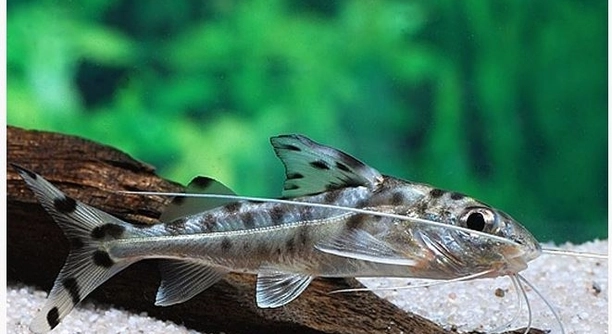
Pictus catfish are popular freshwater fish loved for their peaceful nature and active swimming habits. Many aquarium owners enjoy watching them glide around, but they often wonder about how long these fish live. Understanding their lifespan helps in planning proper care.
Pictus catfish typically live between 8 and 10 years in a well-maintained aquarium environment. Factors such as water quality, diet, and tank size play a crucial role in their longevity, with optimal conditions supporting the upper range of their lifespan.
Knowing how long these fish live can help you provide better care and create a comfortable home for them. The details about their lifespan and needs will guide you in keeping your pictus catfish healthy for years.
Factors That Affect Pictus Catfish Lifespan
Several key factors influence how long pictus catfish live in captivity. Water quality is one of the most important elements. Clean water with stable parameters like temperature, pH, and ammonia levels keeps them healthy. Poor water conditions can cause stress, making them vulnerable to disease. Diet also plays a role; a balanced diet with protein-rich foods supports growth and vitality. Tank size matters too—pictus catfish need enough space to swim comfortably. Overcrowded tanks increase stress and reduce lifespan. Lastly, the presence of compatible tank mates can affect their well-being. Aggressive fish or competition for food can harm pictus catfish, so a peaceful community setup is best for longevity.
Providing consistent care by monitoring these factors will help your pictus catfish live a longer, healthier life. Regular water changes and a varied diet keep them active and vibrant. Adjusting their environment as they grow also makes a big difference.
Creating a proper environment requires attention and patience but pays off in the well-being of your fish. Understanding these needs allows you to prevent common issues that shorten their lifespan and improve their quality of life.
Common Health Issues in Pictus Catfish
Health problems can reduce the lifespan of pictus catfish if not addressed quickly. Stress-related illnesses, parasites, and fungal infections are common concerns.
Parasites often enter through new fish or plants, so quarantine is important. Fungal infections may appear as white patches on their bodies or fins. Stress from poor water quality or overcrowding lowers their immune system, making illness more likely. Signs of sickness include lethargy, loss of appetite, and unusual swimming patterns. Keeping a close eye on your fish helps catch problems early. Proper tank maintenance and prompt treatment of any health issues improve survival rates and overall lifespan for pictus catfish.
Ideal Tank Conditions for Pictus Catfish
Pictus catfish need clean, well-oxygenated water with stable conditions. Temperatures should range between 75°F and 81°F. pH levels around 6.5 to 7.5 are best. Proper filtration and regular water changes keep the tank healthy and reduce stress.
Maintaining the right tank conditions involves regular monitoring of water parameters. Use a reliable test kit to check ammonia, nitrites, and nitrates weekly. Good filtration prevents toxins from building up, which can harm your fish. Keep the tank well-aerated, as pictus catfish need plenty of oxygen. Avoid sudden changes in temperature or water chemistry, as these shocks can weaken their immune system. Providing a tank of at least 30 gallons gives them enough space to swim freely and stay active.
Adding hiding spots with plants and decorations creates a secure environment. This reduces stress and mimics their natural habitat. Gravel or sand substrate works well, as they like to forage near the bottom. Keeping the tank clean and stable makes a big difference in their health and lifespan.
Feeding Your Pictus Catfish
Pictus catfish are omnivores and enjoy a varied diet. High-quality sinking pellets form the base of their meals. Supplement their diet with live or frozen foods like bloodworms or brine shrimp to boost nutrition.
Feeding should be done once or twice daily, providing only what they can eat in a few minutes to avoid leftover waste. Overfeeding can pollute the water and harm your fish. These catfish appreciate occasional treats like small insects or chopped vegetables. A balanced diet promotes growth and strengthens their immune system, helping them live longer.
Fresh, nutritious food keeps your pictus catfish active and colorful. Proper feeding habits, combined with good tank maintenance, ensure they stay healthy and vibrant. Watching them eat is rewarding and shows they are thriving in their environment.
Tank Mates for Pictus Catfish
Choosing the right tank mates is important to keep pictus catfish stress-free. Avoid aggressive or overly territorial fish that may harm or compete with them. Peaceful community fish like tetras and gouramis work well in the same tank.
Pictus catfish are active swimmers and prefer tank mates that occupy different areas of the aquarium. This reduces competition for space and food, helping all fish live comfortably together.
Signs of Aging in Pictus Catfish
As pictus catfish age, their activity levels tend to slow down. Older fish may spend more time resting and less time exploring the tank. Changes in coloration or minor fin wear are also common signs of aging.
Handling Pictus Catfish with Care
Pictus catfish have sensitive barbels that help them sense their environment. Rough handling or sudden movements can stress them and cause damage. Always use gentle movements when working in their tank.
Importance of Regular Tank Maintenance
Regular cleaning and water changes are essential to keep the tank healthy. This prevents harmful buildup and supports the long-term health of your pictus catfish.
FAQ
How long do pictus catfish live in captivity?
Pictus catfish generally live between 8 and 10 years in a well-maintained aquarium. Their lifespan depends largely on water quality, diet, and tank conditions. Providing a clean environment with a balanced diet and enough space helps them reach the upper end of their life expectancy.
What is the best diet for pictus catfish?
A varied diet works best for pictus catfish. High-quality sinking pellets should be the main food source. Supplement this with live or frozen foods like bloodworms, brine shrimp, or daphnia to keep them healthy. Occasionally offering small vegetables or insects supports their omnivorous nature and adds nutritional variety.
How big do pictus catfish get?
Pictus catfish usually grow to about 4 to 5 inches long. They need enough space to swim comfortably, so a tank size of at least 30 gallons is recommended. Providing a larger tank reduces stress and promotes healthy growth.
What water parameters are ideal for pictus catfish?
Pictus catfish thrive in water temperatures between 75°F and 81°F. Their preferred pH is slightly acidic to neutral, around 6.5 to 7.5. Keeping ammonia and nitrites at zero is essential, while nitrates should be kept below 20 ppm. Regular water testing helps maintain these conditions.
Can pictus catfish live with other fish?
Yes, pictus catfish can live peacefully with many other fish species. They prefer calm tank mates like tetras, gouramis, or peaceful barbs. Avoid aggressive or territorial fish that may stress or harm them. It’s also best to avoid slow-moving or long-finned fish, as pictus catfish are active swimmers.
How often should I feed pictus catfish?
Feed pictus catfish once or twice daily. Offer only what they can consume within a few minutes to avoid leftover food, which can pollute the water. Overfeeding can cause water quality issues and health problems, so portion control is important.
Why do pictus catfish hide a lot?
Hiding is normal behavior, especially during the day when they feel less safe. Pictus catfish are more active at night or in dim lighting. Providing plants, caves, or decorations gives them places to feel secure and reduces stress.
What are common health problems for pictus catfish?
Common issues include fungal infections, parasites, and stress-related diseases. Poor water quality often triggers illness. Watch for symptoms like lethargy, loss of appetite, or white patches on their body. Early detection and treatment improve recovery chances.
How do I handle pictus catfish safely?
Avoid handling pictus catfish directly whenever possible. Their barbels are delicate and can be damaged easily. If you must move them, use a soft net and gentle movements. Minimizing stress during handling protects their health.
How important are tank cleanings for pictus catfish?
Regular tank maintenance is crucial. Changing 20-30% of the water weekly removes waste and toxins. Cleaning the substrate and filter keeps the environment safe. A clean tank reduces stress and disease risk, supporting a longer lifespan for your fish.
Do pictus catfish need a special tank setup?
A natural setup with plants, hiding spots, and a soft substrate suits pictus catfish best. They like to forage near the bottom, so smooth gravel or sand is ideal. Plenty of open swimming space is important because they are active swimmers.
Can pictus catfish live in a community tank?
Yes, pictus catfish are good community fish as long as tank mates are peaceful and non-aggressive. Their active nature fits well with other mid-level or bottom-dwelling species that don’t compete aggressively for food or territory.
How do I know if my pictus catfish is stressed?
Signs of stress include rapid breathing, hiding excessively, loss of appetite, or erratic swimming. Stress often results from poor water quality, overcrowding, or incompatible tank mates. Addressing these issues quickly helps the fish recover.
Is it okay to keep multiple pictus catfish together?
Keeping a small group of pictus catfish is beneficial. They are social fish that enjoy the company of their own kind. However, avoid overcrowding to prevent stress and maintain good water quality.
What should I do if my pictus catfish gets sick?
Isolate the sick fish if possible to prevent spread. Test water quality and improve it immediately. Use appropriate medication based on the symptoms observed. Consult an aquatic veterinarian or specialist if unsure about treatment.
How can I extend the lifespan of my pictus catfish?
Maintain stable water conditions, feed a balanced diet, and keep the tank clean. Provide enough space and compatible tank mates. Regular observation for early signs of illness helps catch problems before they worsen.
These answers cover the most common concerns about pictus catfish care and lifespan. Following these guidelines will help your fish stay healthy and enjoy a longer life in your aquarium.
Pictus catfish are wonderful fish that bring energy and life to an aquarium. Knowing how long they typically live helps with planning their care properly. On average, pictus catfish live around 8 to 10 years when kept in good conditions. Their lifespan depends heavily on factors like water quality, diet, tank size, and the company they keep. Taking care of these details is important to ensure they remain healthy and happy throughout their lives.
Maintaining a clean tank with stable water parameters is one of the most important steps in caring for pictus catfish. Regular water changes and good filtration keep harmful substances out and provide a safe environment. Feeding them a balanced diet with a mix of sinking pellets and live or frozen foods helps support their growth and immune system. It’s also important to provide enough space in the tank since pictus catfish are active swimmers. When these needs are met, these fish tend to be lively, healthy, and less prone to illness.
Watching pictus catfish grow and thrive over the years can be very rewarding. They are peaceful and social, making them a great addition to many community tanks. Paying attention to their behavior and physical condition can help catch problems early and improve their care. Overall, pictus catfish require a steady commitment to their environment and diet, but the effort pays off with many years of enjoyment and companionship in your aquarium. Taking the time to understand their needs makes a big difference in how long and well they live.

Hello,
If you enjoy the content that we create, please consider saying a "Thank You!" by leaving a tip.
Every little bit helps us continue crafting quality advice that supports the health, happiness, and well-being of pets around the world, for pets of all shapes, sizes, and species.
We really appreciate the kindness and support that you show us!