
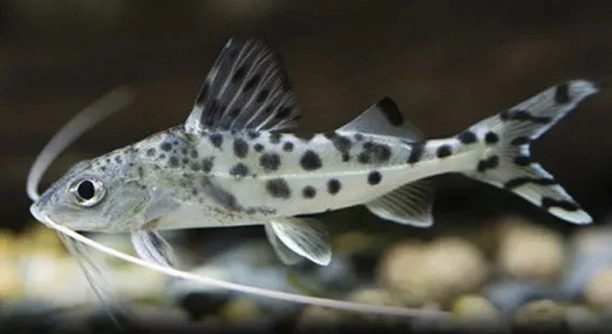
Pictus catfish are popular freshwater fish known for their peaceful nature and active swimming habits. Many aquarium enthusiasts consider adding shrimp to their tanks to create a diverse and vibrant aquatic environment. Compatibility between these species is an important factor to consider for a healthy community tank.
Pictus catfish can live with shrimp, but caution is necessary. They may see smaller shrimp as food, especially baby or slow-moving shrimp. Larger, faster shrimp or well-planted tanks help reduce the risk, allowing coexistence under careful conditions.
Understanding the interactions between pictus catfish and shrimp can improve your tank’s harmony and success. Proper setup and awareness can help both species thrive together peacefully.
Pictus Catfish Behavior and Shrimp Compatibility
Pictus catfish are active bottom dwellers that enjoy exploring the tank and scavenging for food. They have a natural hunting instinct, which can make smaller, slower shrimp vulnerable. However, pictus catfish generally avoid attacking larger shrimp, especially if the tank is spacious and well-planted. Shrimp that have plenty of hiding spots tend to stay safe and stress-free. It is important to monitor the catfish’s behavior closely when introducing shrimp for the first time. Feeding the catfish well can also reduce the chance they will target shrimp as food. This balance creates a peaceful coexistence. Observing their interactions over time will give a clearer idea of compatibility. Every tank is different, so adjustments may be necessary to keep all inhabitants healthy.
Shrimp size and tank conditions are key factors for compatibility. Larger shrimp or those with good shelter have higher survival chances.
Shrimp can be beneficial in a tank with pictus catfish, helping clean leftover food and algae. Keeping the tank clean and well-maintained supports the health of both species. Adding plants or decorations provides extra hiding places for shrimp, which lowers stress and predation risks. Adjusting feeding schedules ensures the catfish are not hungry and less likely to bother the shrimp. Regular water changes and monitoring water parameters improve overall tank conditions. A balanced environment encourages peaceful interactions and reduces aggression. This setup requires patience and observation but can result in a thriving community tank with pictus catfish and shrimp living together.
Best Shrimp Species to Keep with Pictus Catfish
Not all shrimp species are equally suitable as tankmates for pictus catfish.
Larger shrimp like Amano shrimp or Ghost shrimp are better choices because they are quicker and less likely to be eaten. They also tend to be more active and can escape if threatened. Smaller shrimp such as Cherry shrimp are more vulnerable, especially when young. Providing dense plants and hiding places increases their chances of survival. Shrimp species that molt frequently may be at risk if the catfish target their vulnerable shells. It is helpful to research shrimp habits and behavior before selecting the right species. This preparation can prevent losses and help maintain a balanced tank. Observing shrimp closely after introduction will reveal if the pictus catfish accept them or display aggressive tendencies. Adjustments to tank layout or shrimp species may be needed based on behavior.
Tank Setup for Pictus Catfish and Shrimp
A well-planted tank with plenty of hiding spots is essential for shrimp safety. Decorations like rocks and driftwood also provide cover.
Shrimp need dense vegetation or moss to hide from curious pictus catfish. Open spaces increase shrimp stress and vulnerability. Using live plants like Java moss or Anubias creates natural shelters. The tank should have moderate lighting and stable water parameters to support both species. A substrate that allows shrimp to forage and burrow improves their comfort. Keep water temperature between 72°F and 78°F, which suits both pictus catfish and most shrimp species. Proper filtration with gentle flow maintains water quality without disturbing the shrimp.
Feeding both species adequately reduces shrimp predation. Offering sinking pellets for pictus catfish and algae wafers or blanched vegetables for shrimp helps meet their nutritional needs. Feeding multiple times a day in small amounts prevents hunger-driven aggression and promotes peaceful coexistence. Observing feeding behavior can help adjust quantities. Overfeeding should be avoided as it can cause water quality issues, stressing both fish and shrimp. A balanced diet supports the health and activity of the tank’s community.
Monitoring and Adjusting Tankmates
Regularly observe the interactions between pictus catfish and shrimp, especially after introductions. Early signs of stress or aggression should prompt changes.
If pictus catfish show signs of chasing or eating shrimp, adding more hiding spaces can help. Consider separating shrimp during molting periods when they are most vulnerable. If predation continues, switching to larger or faster shrimp species may be necessary. It is important to keep water quality stable and avoid overcrowding, which can increase stress and aggression. Providing a peaceful environment supports long-term tank harmony. Adjusting tankmates based on behavior and survival rates ensures a balanced and healthy aquarium community.
Feeding Tips for Pictus Catfish and Shrimp
Feed pictus catfish sinking pellets or wafers to ensure food reaches the bottom. Shrimp benefit from algae wafers and blanched vegetables.
Avoid overfeeding to maintain water quality. Smaller, frequent feedings help reduce aggression and keep both species healthy.
Water Parameters for a Healthy Tank
Maintain a stable temperature between 72°F and 78°F for both pictus catfish and shrimp. Keep pH levels neutral to slightly acidic, around 6.5 to 7.5. Regular water changes and proper filtration are essential to prevent ammonia and nitrate buildup. Consistent water conditions reduce stress and promote longevity for all tank inhabitants. Testing water weekly helps catch issues early, ensuring a safe environment for both fish and shrimp.
Signs of Stress in Shrimp and Catfish
Stress can show through hiding, reduced movement, or color fading in shrimp. Pictus catfish may become more aggressive or lethargic.
FAQ
Can pictus catfish live peacefully with shrimp?
Pictus catfish can live with shrimp, but their natural hunting instincts may make smaller shrimp a target. Larger shrimp and those with plenty of hiding spots tend to do better. A well-planted tank and careful feeding reduce the risk of predation. It’s important to monitor interactions regularly to ensure peace.
What shrimp species are safest with pictus catfish?
Amano shrimp and Ghost shrimp are safer choices due to their larger size and speed. Smaller shrimp, like Cherry shrimp, are more vulnerable, especially when young or molting. Dense plants and hiding areas improve their chances of survival by offering refuge from the catfish.
How can I reduce shrimp predation by pictus catfish?
Provide plenty of hiding places with live plants, rocks, or driftwood. Feed the catfish well to lower their hunting drive. Adding shrimp species that are larger or faster helps. Avoid overcrowding and keep water conditions stable to reduce stress and aggression.
What tank conditions suit both pictus catfish and shrimp?
Maintain water temperature between 72°F and 78°F, with a neutral to slightly acidic pH around 6.5 to 7.5. Use gentle filtration and moderate lighting. A substrate that supports shrimp foraging, along with plants for cover, helps create a balanced habitat.
How often should I feed pictus catfish and shrimp?
Feed small amounts two to three times daily. Pictus catfish prefer sinking pellets or wafers, while shrimp benefit from algae wafers, blanched vegetables, or specialized shrimp food. Avoid overfeeding to maintain water quality and reduce aggressive behavior.
What signs indicate stress in shrimp and pictus catfish?
Shrimp may hide excessively, lose color, or move less when stressed. Pictus catfish could become lethargic or show aggression. Watch for changes in behavior or appearance, and adjust tank conditions or tankmates if needed.
Can I keep baby shrimp with pictus catfish?
Baby shrimp are highly vulnerable to pictus catfish and often do not survive in the same tank. Providing dense plants or breeding traps can protect babies. Otherwise, consider separating shrimp young until they grow larger and faster.
Are there alternative tankmates better suited with shrimp than pictus catfish?
Yes, some peaceful fish like small tetras or rasboras are less likely to prey on shrimp. These species can create a safer environment for shrimp, especially smaller or delicate types. Choosing tankmates depends on your tank size and goals.
How important is tank size for keeping pictus catfish and shrimp together?
Larger tanks offer more space and hiding places, which reduces conflicts and stress. Small tanks increase competition for resources and raise the risk of predation. Aim for at least 30 gallons to comfortably house pictus catfish and shrimp.
What should I do if pictus catfish start eating my shrimp?
Increase hiding spots and add more plants or decorations. Feed the catfish more frequently or adjust their diet to keep them satisfied. If predation continues, consider switching shrimp species or separating shrimp from the catfish. Regular monitoring is key to timely action.
Can shrimp help keep the tank clean when housed with pictus catfish?
Yes, shrimp often consume leftover food and algae, helping maintain tank cleanliness. Their natural scavenging complements the catfish’s bottom feeding. However, balance feeding carefully to avoid excess waste, which can harm water quality.
How do I introduce shrimp to a tank with pictus catfish?
Introduce shrimp slowly and observe their behavior. Add plants or decorations before introducing shrimp to create hiding places. Monitor interactions closely during the first few days. Be ready to intervene if aggression or stress appears.
Is it safe to keep shrimp and pictus catfish in a breeding tank?
Breeding tanks require extra care because baby shrimp are very vulnerable. If breeding pictus catfish, shrimp might be at risk. Separate breeding tanks or protective shelters for shrimp young are recommended to improve survival rates.
What role does water quality play in shrimp and pictus catfish compatibility?
Good water quality is critical. Poor conditions cause stress, which increases aggression and disease risks. Regular water changes, filtration, and testing keep ammonia and nitrates low. Stable water parameters support health and reduce conflicts between species.
Are there any special care tips for shrimp when housed with pictus catfish?
Provide frequent feedings of algae or vegetables to keep shrimp nourished. Offer molting shrimp extra shelter to avoid attacks during vulnerability. Keep plants healthy and dense to improve hiding spots. Patience and observation help maintain a peaceful community.
Can pictus catfish and shrimp coexist long-term?
Yes, with proper tank setup, diet, and monitoring, pictus catfish and shrimp can live together peacefully long-term. Success depends on tank size, shrimp species, and environmental conditions. Adjustments over time may be necessary to maintain balance.
Pictus catfish and shrimp can share the same tank if proper care and attention are given. Their natural behaviors mean that not all shrimp will be safe with pictus catfish. Larger shrimp species with plenty of hiding places tend to do better in a shared tank. It is important to create an environment where both can thrive without stress. This includes providing enough plants, decorations, and a suitable tank size. When the tank is set up thoughtfully, both pictus catfish and shrimp can coexist peacefully and add interest to the aquarium.
Feeding plays a big role in maintaining harmony between pictus catfish and shrimp. If the catfish are well-fed with sinking pellets or wafers, they are less likely to hunt shrimp. Shrimp also benefit from a varied diet, including algae wafers and blanched vegetables. Overfeeding, however, should be avoided as it can harm water quality and lead to health problems for all tank inhabitants. Careful feeding and regular water changes help keep the tank clean and safe. Balanced nutrition and good water quality create a healthy environment that supports both species.
Watching the behavior of pictus catfish and shrimp is essential to ensure they get along. Early signs of stress, aggression, or predation should be addressed by adding more hiding spots or changing the shrimp species. Tank size and water conditions also affect their compatibility. Regular observation and adjustments help maintain a peaceful tank community. With patience and proper care, pictus catfish and shrimp can live together comfortably. Their coexistence adds variety and life to the aquarium, making the tank more enjoyable for anyone caring for them.

Hello,
If you enjoy the content that we create, please consider saying a "Thank You!" by leaving a tip.
Every little bit helps us continue crafting quality advice that supports the health, happiness, and well-being of pets around the world, for pets of all shapes, sizes, and species.
We really appreciate the kindness and support that you show us!