
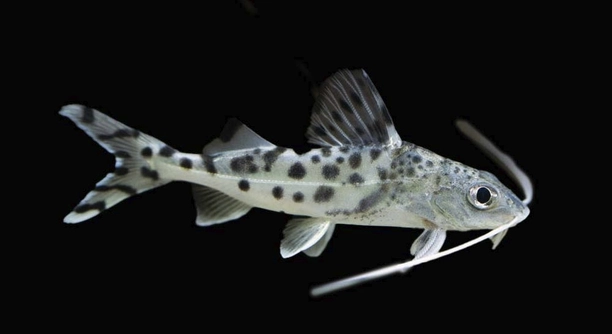
Pictus catfish are popular aquarium fish known for their striking spots and active nature. Many fishkeepers enjoy watching them swim in tanks with different lighting conditions. Understanding how light affects these fish is important for their care and well-being.
Pictus catfish do not get sunburned from direct light in the way humans do, as they live underwater and have protective skin and scales. However, very strong or intense lighting can cause stress or harm to their delicate skin and eyes if exposure is prolonged.
Knowing how light impacts pictus catfish helps ensure their environment remains safe and comfortable. This article will explore the effects of lighting and how to provide the best care for these beautiful fish.
Understanding Pictus Catfish and Light Exposure
Pictus catfish are native to rivers and streams where they naturally experience varying light levels. Their skin and scales provide a natural barrier that helps protect them from direct sunlight. In an aquarium, the light source is usually artificial, and while it does not cause sunburn like in humans, too much intense light can be harmful. Prolonged exposure to strong lighting may stress the fish, leading to changes in behavior or health problems. These fish prefer dimmer areas or places with some shade in their tank, which helps them feel secure. It is important to mimic these conditions to maintain their comfort. Using adjustable lighting or providing hiding spots like plants and decorations can help balance light exposure. This creates a better environment that supports their natural habits and reduces stress.
Proper lighting management is key to keeping pictus catfish healthy and comfortable in captivity.
Creating a lighting schedule and adjusting light intensity can greatly improve your fish’s well-being. Avoid placing the tank in direct sunlight to prevent excessive heat and brightness. Use timers to simulate natural day and night cycles, giving your fish a familiar rhythm. Including plants or decorations offers places for the catfish to retreat when the light becomes too bright. Monitoring your fish for signs of stress, such as hiding excessively or losing appetite, helps catch problems early. By maintaining moderate light levels and a consistent schedule, you create an environment that supports their natural behavior and health. This simple approach prevents issues related to overexposure while allowing you to enjoy watching your pictus catfish in their vibrant habitat.
Effects of Direct Light on Pictus Catfish Behavior
Pictus catfish often react to direct light by seeking shaded areas or hiding. Bright light can make them less active and more cautious.
When exposed to harsh lighting, pictus catfish may display increased stress responses such as rapid swimming or hiding for extended periods. These behaviors are natural reactions to avoid discomfort. Over time, constant exposure to bright light without adequate shaded areas can affect their health by weakening their immune system or causing skin irritation. It is important to watch for these signs and adjust lighting conditions accordingly. Using dimmable aquarium lights or creating shadowed zones with plants or decorations helps keep the environment comfortable. Observing your catfish’s behavior provides clues about their comfort level, enabling you to make changes that promote their well-being. Maintaining appropriate lighting helps support their natural activity patterns and reduces stress-related issues in your aquarium.
How to Protect Pictus Catfish from Excessive Light
Limiting exposure to intense light is essential for pictus catfish health. Use tank covers or plants to create shaded areas.
Adjust the aquarium lighting to mimic natural conditions by using timers and dimmers. This prevents sudden changes that may stress the fish. Avoid placing tanks in direct sunlight to reduce heat and glare. Including live or artificial plants helps create natural hiding spots, giving the catfish places to retreat when needed.
Regularly monitor your fish for signs of stress such as hiding or loss of appetite. If these behaviors appear, reduce the lighting intensity or increase shaded areas. Balancing light exposure is a simple but effective way to maintain a healthy environment. Consistency in lighting helps pictus catfish thrive and stay comfortable in their tank.
Signs That Your Pictus Catfish Is Stressed by Light
Stress from too much light can cause changes in behavior and appearance. Watch for hiding, sluggishness, or faded colors.
Behavioral changes are common indicators of stress due to lighting. Pictus catfish may become less active or avoid well-lit areas. They might also lose interest in food or show signs of erratic swimming. Physically, their skin may appear duller or develop slight irritation from constant light exposure. Noticing these signs early allows you to adjust tank conditions before more serious health issues arise. Maintaining moderate lighting levels and providing shaded areas reduces the risk of stress and promotes healthier, more vibrant fish. Paying attention to these signals helps ensure a balanced and comfortable aquarium environment.
Ideal Lighting Conditions for Pictus Catfish
Soft, indirect lighting is best for pictus catfish. Bright, harsh lights can cause stress and discomfort.
Using adjustable LED lights allows control over intensity. Aim for a gentle glow that mimics natural underwater light, supporting the fish’s natural behavior and health.
Using Aquarium Plants to Help Control Light
Plants create shaded areas that pictus catfish use to escape bright light. They improve water quality and add natural beauty to the tank.
Common Mistakes with Lighting
Overly bright or constant lighting causes stress and can harm your fish’s health. Avoid leaving lights on 24/7.
Adjusting Lighting Over Time
Gradually changing lighting levels helps pictus catfish adapt without shock. Sudden changes can cause stress or illness.
FAQ
Can pictus catfish get sunburn from aquarium lights?
Pictus catfish do not get sunburned like humans because their skin and scales protect them from UV damage. However, strong or overly bright aquarium lights can cause stress or skin irritation if exposure is prolonged. It is important to provide moderate lighting and shaded areas to keep them comfortable.
How long should aquarium lights be on for pictus catfish?
Aquarium lights should typically be on for about 8 to 10 hours a day to simulate natural daylight. Keeping lights on for longer periods can increase stress and disrupt the fish’s natural behavior. Using timers helps maintain a consistent light schedule that supports the fish’s health.
What type of lighting is best for pictus catfish?
Soft, adjustable LED lights work best for pictus catfish. These lights allow you to control intensity and create a gentle, natural environment. Avoid harsh fluorescent or overly bright lights, which can cause discomfort and stress to the fish.
Do pictus catfish prefer dark or light environments?
Pictus catfish naturally prefer dim or shaded areas since they come from rivers with plenty of cover. They often hide under plants or decorations when exposed to bright light. Providing dark spots in the aquarium helps them feel secure and reduces stress.
Can too much light affect pictus catfish health?
Yes, too much light can lead to stress, weakened immune function, and skin irritation in pictus catfish. It can also cause behavioral changes like hiding or reduced activity. Managing light levels and providing shaded areas prevents these issues.
How can I create shaded areas in my aquarium?
You can create shaded areas using live or artificial plants, rocks, and decorations. These elements break up light exposure and give pictus catfish places to retreat. Positioning taller plants or ornaments strategically helps mimic natural habitats.
Is direct sunlight harmful to pictus catfish tanks?
Direct sunlight is generally not recommended because it can cause temperature fluctuations and promote algae growth. It also increases light intensity, which can stress the fish. Placing the tank away from windows or using curtains can prevent direct sunlight exposure.
What signs show pictus catfish are stressed by light?
Stress signs include excessive hiding, loss of appetite, lethargy, and faded coloration. Erratic swimming or scratching against objects may also indicate discomfort. Observing these behaviors early helps you adjust lighting before serious health issues develop.
Can I use a timer to control aquarium lighting?
Yes, timers are highly recommended to maintain a consistent lighting schedule. They help simulate natural day and night cycles, reduce sudden light changes, and improve fish comfort. Automated timers remove guesswork and help protect fish from light stress.
Should I turn off lights completely at night?
Yes, pictus catfish need a period of darkness to rest properly. Turning off lights completely at night helps mimic natural conditions and supports their circadian rhythm. This rest period is essential for their overall health and well-being.
Do aquarium plants affect light exposure for pictus catfish?
Aquarium plants provide natural shade, reducing direct light on fish. They also improve water quality by absorbing excess nutrients. Plants help create a balanced environment that benefits pictus catfish both physically and mentally.
Can stress from lighting affect pictus catfish lifespan?
Chronic stress from improper lighting can weaken a fish’s immune system, making it more susceptible to disease and shortening lifespan. Proper lighting management is an important factor in promoting longevity and maintaining healthy pictus catfish.
Are there any special lighting considerations for juvenile pictus catfish?
Juvenile pictus catfish are more sensitive to light and stress. They benefit from softer lighting and plenty of shaded hiding places. Gradually adjusting light intensity as they grow helps them adapt and reduces risk of harm.
Is it safe to use colored lights in a pictus catfish tank?
Colored lights can be used, but they should not be too intense or constant. Some aquarists use them for aesthetic purposes, but it’s important to monitor how the fish react. Avoid strong, unnatural colors that may cause stress.
How do I know if my lighting setup is appropriate?
If your pictus catfish are active during the day, show healthy coloration, and use hiding spots without excessive stress behaviors, the lighting is likely appropriate. Monitoring fish behavior regularly helps ensure lighting remains suitable over time.
Final Thoughts
Pictus catfish are sensitive creatures that thrive best when their environment closely resembles their natural habitat. Light plays a significant role in their comfort and health. While they do not get sunburned like humans, exposure to overly bright or intense light can cause stress and harm. It is important to provide a balance of light and shade in the aquarium. Using softer lighting and creating shaded areas with plants or decorations helps pictus catfish feel secure and reduces potential stress. These simple steps contribute greatly to their overall well-being.
Maintaining a proper lighting schedule is also essential. Keeping aquarium lights on for about 8 to 10 hours a day simulates natural daylight and supports the fish’s natural rhythms. Using timers to regulate the lighting ensures consistency and prevents sudden changes that can be unsettling for pictus catfish. At night, turning off the lights completely allows them to rest, just like they would in the wild. Watching for signs of stress, such as hiding or faded colors, helps to identify if lighting adjustments are needed. Small changes in lighting can make a noticeable difference in your fish’s behavior and health.
Creating the right environment for pictus catfish involves more than just controlling light. Providing hiding spots, maintaining water quality, and offering a balanced diet are also important. However, lighting is a key factor that is often overlooked. By paying attention to how much light your fish receive and making sure it is not too intense or constant, you create a more natural and comfortable space. This care not only supports the health of pictus catfish but also enhances your experience as an aquarium keeper, allowing you to enjoy watching healthy, active fish thrive in their home.

Hello,
If you enjoy the content that we create, please consider saying a "Thank You!" by leaving a tip.
Every little bit helps us continue crafting quality advice that supports the health, happiness, and well-being of pets around the world, for pets of all shapes, sizes, and species.
We really appreciate the kindness and support that you show us!