
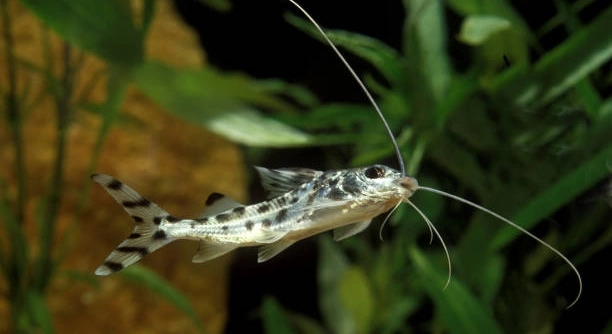
Do you have a Pictus catfish in your aquarium and wonder about its daily habits? Many fish owners notice their catfish resting quietly and want to understand if they sleep like other animals. Observing their behavior can help you care for them better.
Pictus catfish do sleep, but their rest looks different from mammals. They remain mostly still and often hide during sleep, showing minimal movement and reduced responsiveness to their surroundings. This behavior helps them conserve energy and stay safe.
Knowing what Pictus catfish sleep looks like can improve your care and help you recognize when they are healthy or stressed. This article explains how to spot their resting behavior clearly and simply.
How Pictus Catfish Sleep
Pictus catfish sleep differently from land animals. Instead of closing their eyes completely, they keep them partly open or blink slowly. They usually rest near the bottom of the tank or hide under decorations, where they feel safe. Their bodies become still, and they stop swimming actively. You might notice them in a curved or relaxed position. Sleep helps them regain energy after active periods of swimming and searching for food. At night, they tend to be less active but can occasionally move slowly. Their sleep is light, allowing them to react quickly if there is danger nearby. These fish don’t have eyelids, so their sleep looks more like resting than deep sleep. Observing their resting spots and behavior helps you understand their natural needs better.
Resting quietly in safe spots is how Pictus catfish recharge and stay alert to their surroundings.
Pictus catfish usually choose areas with cover for resting, such as under rocks, plants, or tank decorations. This behavior protects them from perceived threats. Providing plenty of hiding spots in the tank helps your catfish feel comfortable enough to rest well. Their sleep is brief and light, making it important to maintain a calm environment, especially at night. Too much noise or sudden movements can disturb their rest. Monitoring their resting habits can also indicate their health status. A catfish that hides and rests regularly is likely feeling secure, while one that stays active all the time or hides too much may be stressed. Ensuring stable water conditions and minimal disturbances will support their natural sleep behavior.
Signs Your Pictus Catfish is Sleeping
Pictus catfish show specific signs when they are resting or sleeping.
When sleeping, these catfish reduce their activity significantly. They remain mostly motionless and may hover in one place. Their fins are relaxed and not flared out. They often tuck their bodies close to the tank bottom or inside crevices. You might notice their breathing slows down, and their barbels (whiskers) move less. Unlike mammals, their eyes stay open but appear dull or unfocused. This light rest allows them to stay alert to threats. If your fish suddenly swims away when disturbed, it was likely sleeping lightly. Watching these signs helps you avoid mistaking sleep for illness or injury. Proper rest is essential for their immune system and overall well-being. Creating a calm environment encourages natural sleep patterns and helps keep your Pictus catfish healthy and happy.
When Do Pictus Catfish Sleep?
Pictus catfish are mostly nocturnal, so they sleep during the day and become active at night. Their resting times align with lower light levels in the aquarium.
During daylight hours, Pictus catfish often find shaded areas or hidden spots to rest quietly. They reduce movement and remain still to conserve energy. As evening approaches and lights dim, they gradually become more active, swimming around and exploring the tank. Their sleep pattern follows natural light cycles, so keeping a consistent day-night routine in the aquarium helps regulate their behavior. Sudden changes in lighting or disturbances during their resting phase can stress them and disrupt their sleep.
Because their sleep is light and intermittent, Pictus catfish may wake briefly during the day if disturbed. It is important to respect their resting time to help maintain their health and energy levels for nighttime activity.
How to Create a Good Sleep Environment for Your Pictus Catfish
A calm, quiet tank with plenty of hiding spots supports healthy sleep for Pictus catfish. Low lighting during the day encourages resting behavior.
Adding caves, plants, or other decorations offers safe places where your catfish can hide and rest undisturbed. Avoid sudden loud noises or vibrations near the tank, as these can startle them awake. Keeping the water clean and stable with proper filtration also contributes to a stress-free environment. Consistent temperature and water quality help your fish feel secure and more willing to rest properly. Dim or off lights during their resting period will mimic their natural habitat and promote better sleep patterns.
Limiting tank activity during the day, such as heavy feeding or frequent tapping on the glass, further supports their need for rest. Overall, maintaining a stable, quiet environment is key to the wellbeing of your Pictus catfish.
Can Pictus Catfish Sleep Without Cover?
Pictus catfish prefer resting in shaded or covered areas. Without cover, they may feel exposed and stressed. They rely on hiding spots for a sense of security during rest.
When hiding spots are missing, these catfish might stay more alert and swim continuously, reducing their rest time. Providing adequate cover improves their comfort and encourages natural sleep habits.
Why Do Pictus Catfish Rest Near the Bottom?
Resting near the bottom offers protection and reduces energy use. The substrate and decorations provide shelter from light and potential threats, making it a natural choice.
This bottom resting behavior is common among many catfish species, including Pictus catfish. It helps them stay safe and conserve energy during their lighter sleep phases.
How Light Affects Pictus Catfish Sleep
Bright light can disturb Pictus catfish rest, causing them to stay active or hide excessively. Dim lighting promotes calmness and encourages them to rest properly.
Maintaining a consistent light schedule with gradual transitions helps regulate their sleep-wake cycle, supporting their overall health and wellbeing.
Do Pictus Catfish Dream?
There is no evidence that Pictus catfish dream. Their sleep is light and primarily focused on rest and alertness.
How long do Pictus catfish sleep?
Pictus catfish do not have a fixed long sleep period like mammals. Instead, they rest intermittently throughout the day, often in short bursts. Their sleep is light and spread out, allowing them to stay alert to their surroundings. Typically, they rest more during daylight hours and become active at night. The total resting time during the day can vary depending on the tank environment and disturbances.
Is it normal for Pictus catfish to hide a lot?
Yes, it is normal. Hiding is part of their natural resting behavior. Pictus catfish feel safer when they rest in covered or shaded areas, which helps reduce stress. If your catfish is hiding more than usual, especially during the day, it might indicate that the tank conditions are not ideal or that it is stressed. Regular hiding is healthy, but excessive hiding with no activity could signal a problem.
Do Pictus catfish close their eyes when they sleep?
No, Pictus catfish do not close their eyes fully because they lack eyelids. Their eyes remain open even when resting or sleeping. Instead, their sleep is shown through reduced movement and a relaxed body posture. This light form of rest allows them to stay alert to threats in their environment while conserving energy.
Can Pictus catfish sleep while swimming?
Pictus catfish mostly rest while staying still near the tank bottom or inside hiding spots. However, they can sometimes rest briefly while slowly swimming or hovering in one place. This light form of rest differs from deep sleep in mammals. It helps them stay aware of any danger while still regaining energy.
What happens if Pictus catfish don’t get enough rest?
Lack of rest can stress Pictus catfish and weaken their immune system. Without proper rest, they may become more prone to illness and show signs of anxiety, such as constant hiding or erratic swimming. Ensuring a quiet environment with appropriate hiding spots and stable water conditions is important for their health and proper sleep.
Do Pictus catfish sleep at night or day?
Pictus catfish are primarily nocturnal. They tend to rest mostly during the day and become active at night. This behavior matches their natural environment, where low light helps them avoid predators and search for food. Keeping a regular light cycle in the aquarium helps support this natural rhythm.
Is it okay to turn off aquarium lights at night?
Yes, turning off the lights at night is recommended. Pictus catfish rely on darkness for resting. Continuous bright light can disturb their sleep and cause stress. A regular light-dark cycle mimics their natural habitat and promotes healthy behavior and sleep patterns.
How can I tell if my Pictus catfish is sleeping or sick?
Sleeping Pictus catfish remain mostly still but respond to disturbances and swim away if startled. Sick fish may be lethargic, lose appetite, or show signs of disease like spots or damaged fins. Regular observation of their normal resting spots and behavior helps you spot changes that may require attention.
Should I feed Pictus catfish before or after they rest?
It’s best to feed Pictus catfish during their active periods, usually in the evening or at night. Feeding them before their rest period may disturb their sleep, as they become more active after eating. Feeding during active times supports their natural behavior and digestion.
Do Pictus catfish need a special environment to sleep well?
Yes, a good sleeping environment includes hiding places, stable water quality, and a quiet setting. Adding caves, plants, or decorations gives them safe spots to rest. Consistent water temperature and minimal noise or vibrations help reduce stress and encourage natural rest habits.
Pictus catfish have unique sleeping habits that differ from many land animals. They do rest and sleep, but their sleep looks more like light resting or relaxing. They don’t close their eyes like mammals, since they don’t have eyelids. Instead, they reduce their activity, find a safe spot in the tank, and remain mostly still. This behavior helps them conserve energy while staying alert to their surroundings. Understanding these habits is important for anyone who keeps Pictus catfish as pets, as it helps create a better environment for their wellbeing.
Providing the right environment is key to supporting healthy sleep for Pictus catfish. They prefer to rest in shaded or covered areas, such as under plants, rocks, or tank decorations. These hiding spots give them a sense of security, which encourages rest. A calm, quiet tank with stable water conditions also reduces stress and allows them to follow their natural light and dark cycles. Dim lighting during their rest period supports their sleep and overall health. Paying attention to these details can improve the comfort and happiness of your fish.
Watching how your Pictus catfish rest can also give clues about their health. When they rest quietly and hide in usual spots, it generally means they feel safe and well. However, if they are hiding excessively or staying active all the time, it might signal stress or illness. Maintaining a consistent routine, good water quality, and a peaceful environment will help your catfish rest properly and stay healthy. Taking the time to observe and understand their sleep habits makes it easier to care for them in the long run.

Hello,
If you enjoy the content that we create, please consider saying a "Thank You!" by leaving a tip.
Every little bit helps us continue crafting quality advice that supports the health, happiness, and well-being of pets around the world, for pets of all shapes, sizes, and species.
We really appreciate the kindness and support that you show us!