
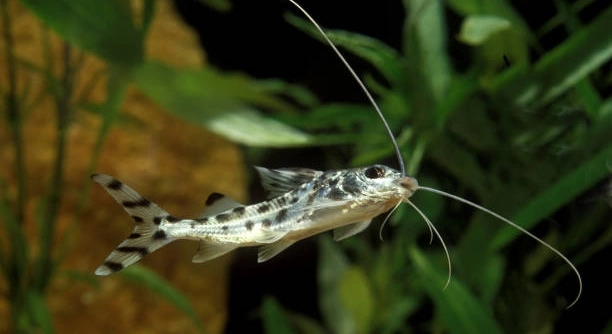
Have you ever watched your pictus catfish swimming actively and wondered if it might ever breed in your aquarium? Understanding the signs of breeding behavior can help you support their natural instincts in a home environment.
Pictus catfish rarely breed in home aquariums due to specific environmental needs and behavioral patterns. Successful breeding typically requires a large tank, precise water conditions, and often, hormone treatments to stimulate spawning.
Recognizing key signs and learning what truly matters in their care can make a big difference in managing expectations and improving tank conditions.
Signs Your Pictus Catfish Might Be Ready to Breed
Pictus catfish are active, schooling fish that rarely breed in captivity, but there are a few subtle signs to watch for. When they’re ready to spawn, you may notice more chasing behavior between individuals, particularly if you have a group of them in a larger tank. This activity often occurs during the evening or at night, as pictus catfish are more active when the lights are low. You might also see them rubbing against each other or resting close together under driftwood or plants. Males may show slightly slimmer bodies, while females look rounder due to egg development. Their colors may appear a bit more intense, and their movement more focused. While these signs do not guarantee breeding, they are worth noting. Providing a stress-free environment and maintaining clean, stable water can help promote natural behavior, even if successful spawning remains unlikely without controlled conditions.
Tank behavior changes quickly.
If you notice aggression, chasing, or hiding more than usual, these could be early signs of pairing. Keep an eye on interactions without disrupting their space too much. Subtle changes are easy to miss.
Lighting, water temperature, and tank size all matter if you’re trying to encourage any kind of breeding behavior. Although most pictus catfish sold for home aquariums are not bred in tanks, controlled breeding has been done in larger aquaculture facilities using hormone injections and specific water chemistry. In a home setting, even with ideal water conditions, actual spawning is rare. Still, providing high-quality food and giving them plenty of space may encourage natural behaviors. If you have both males and females, and the tank mimics their native habitat with good filtration and hiding spaces, you may observe behavior that looks like pre-spawning. Don’t expect to see eggs or fry without expert care, but their behavior may still shift in interesting ways. Watching for these signs can help you better understand your fish and their needs.
What You Should Know About Breeding Challenges
Most pictus catfish never breed in regular aquariums due to their specific environmental needs and nocturnal habits.
In the wild, pictus catfish breed in large river systems with seasonal changes in water flow and temperature. Replicating this in a home setup is nearly impossible. Many attempts to breed them in tanks have failed without artificial hormone treatments. Even with the right male-to-female ratio and water conditions, the chances are low. These catfish are more likely to thrive when kept in groups with enough space to swim and hide. Stress from poor water quality or overcrowding can stop any natural behavior from developing. Breeding behavior also varies between individual fish, and some may never show signs even under ideal care. If your goal is to observe their interactions and give them a healthy life, focus more on their daily activity, diet, and tank environment. Breeding should only be attempted by those with experience and proper resources.
Ideal Tank Setup for Encouraging Breeding
A peaceful tank with low lighting, soft substrate, and lots of hiding spots helps pictus catfish feel secure. Driftwood, caves, and live plants offer shelter. Maintain excellent filtration and avoid sudden changes in water parameters to reduce stress and support natural behavior.
Water conditions should stay consistent, with temperatures between 75–80°F and a slightly acidic pH around 6.5–7.0. Soft water, mimicking their natural habitat, can encourage more natural behaviors. A minimum tank size of 75 gallons is recommended if housing a group, as pictus catfish are fast swimmers and can get territorial in smaller tanks. Use dim lighting or floating plants to block light, as they are more active in darker settings. Avoid sharp decorations that could injure their delicate barbels. A sand or smooth gravel substrate works best. Good oxygen levels and low nitrates also contribute to a healthy, comfortable space for them.
Tank mates should be peaceful and active at the same time. Avoid slow, long-finned fish, as pictus catfish might chase them. Keeping them in a group of at least three can reduce stress and make them feel more secure, which could support more natural behavior. However, overcrowding should still be avoided. Make sure each fish has space to swim and hide. Feeding a high-protein diet like frozen bloodworms, brine shrimp, or sinking pellets may also help. Regular water changes and low noise around the tank can also make a difference. Even though breeding is unlikely, creating a healthy, enriched environment is still rewarding and helps your pictus catfish thrive.
What to Do If Spawning Happens
If your pictus catfish actually spawn, try not to disturb the tank. Do not move the adults right away unless you see signs of egg-eating. Some fish may eat their own eggs, while others may ignore them completely.
Spawning usually happens at night, so it may go unnoticed. If you spot eggs on the glass, substrate, or plants, make sure water quality stays high. Avoid using strong filters that might disturb the eggs. It’s best to keep lighting low and reduce tank traffic or movement around the aquarium. If you want to protect the eggs, consider gently transferring them to a separate tank with matching water parameters. Use an air stone for oxygenation, and keep the water clean. Watch for fungus or cloudiness on the eggs, which can indicate they are not viable. If they hatch, the fry will need tiny food like infusoria before moving on to baby brine shrimp.
Feeding Tips During Breeding Attempts
Feed high-protein foods like bloodworms, brine shrimp, and quality sinking pellets. This helps condition the fish and supports energy for possible spawning behavior. Avoid overfeeding, as leftover food can quickly affect water quality and stress the fish.
Offer smaller meals twice a day instead of one large feeding. This keeps the tank cleaner and encourages more natural foraging behavior. A balanced diet also helps maintain bright coloration and overall health during stressful breeding attempts.
Why Most Breeding Attempts Fail
Breeding often fails because home tanks can’t match the complex environmental changes that trigger spawning in the wild. Seasonal water shifts, natural hormones, and space are all key factors that are hard to replicate. Even with ideal conditions, most hobbyists don’t see successful breeding. Stress, poor diet, or incompatible tank mates also reduce the chances. Pictus catfish often need hormone injections in controlled settings to reproduce. Without those, it’s rare to see eggs or fry. Most keepers focus on providing a healthy space rather than trying to force spawning. Breeding is not impossible, but it’s extremely difficult in a regular home aquarium.
Avoid Common Mistakes
Do not change water conditions suddenly or overcrowd the tank. These mistakes can stress your catfish and prevent any natural behavior from happening.
FAQ
How can I tell if my pictus catfish is male or female?
Telling male and female pictus catfish apart can be tricky since they look very similar. Females usually have a rounder, fuller belly, especially when carrying eggs, while males tend to be slimmer and more streamlined. Males may also have slightly longer pectoral fins. However, these differences are subtle and often only noticeable when the fish are mature or during breeding season. Behavior can sometimes give hints, with males being a bit more aggressive or chasing females during spawning attempts. Still, sexing pictus catfish by appearance alone is not very reliable without experience.
What water parameters encourage breeding in pictus catfish?
The ideal water temperature for breeding pictus catfish ranges between 75 and 80°F (24–27°C). They prefer soft, slightly acidic water with a pH around 6.5 to 7.0. Maintaining stable water quality with low nitrates and ammonia is essential. Sudden changes in temperature or water chemistry should be avoided, but mimicking natural rainy season conditions, such as slight temperature drops and increased water flow, may encourage spawning behavior. Soft water helps simulate their native habitat and can promote more natural activity.
Can pictus catfish breed in a small tank?
Breeding pictus catfish in small tanks is highly unlikely. These fish require ample space to swim and display natural behaviors. A minimum tank size of 75 gallons is recommended for a group, which helps reduce stress and allows the fish to establish territories. Smaller tanks limit movement and increase aggression, which negatively affects breeding chances. If space is limited, it’s better to focus on keeping your catfish healthy and comfortable rather than attempting to breed them.
What should I feed pictus catfish to improve breeding chances?
A high-protein diet is key when trying to encourage breeding. Feed a variety of frozen or live foods like bloodworms, brine shrimp, daphnia, and quality sinking pellets. These foods provide essential nutrients and mimic their natural diet. Avoid overfeeding, as poor water quality from leftover food can harm your fish. Feeding smaller portions twice a day helps maintain water cleanliness and supports their health. Proper nutrition can improve coloration, behavior, and energy levels, all of which play a role in breeding readiness.
How do I care for pictus catfish eggs and fry?
If your catfish lay eggs, it’s important to maintain excellent water quality. Eggs are delicate and can be easily harmed by strong filters or poor conditions. Use gentle filtration and low lighting to reduce stress. If possible, transfer eggs to a separate tank with similar water parameters to protect them from adults that might eat them. Once hatched, the fry need tiny foods like infusoria or newly hatched brine shrimp. Keep water clean with regular small changes, and avoid overcrowding fry tanks to support healthy growth.
Why might my pictus catfish eat their own eggs?
It’s common for pictus catfish to eat their eggs in home aquariums. This behavior can result from stress, lack of suitable hiding places for eggs, or simply natural instincts to maximize survival chances under poor conditions. Without a carefully controlled environment, parents often do not recognize eggs as their own or see them as food. Providing dense plants, caves, or spawning mops can help eggs stay hidden and increase survival. Removing adults after spawning is sometimes necessary to protect the eggs.
Can I use hormones or medications to induce spawning?
Hormone injections can be used in professional breeding setups to stimulate spawning in pictus catfish, but this is not practical or safe for most home aquarists. Hormonal treatments require veterinary knowledge, precise dosages, and sterile conditions. Using medications or hormones without experience can harm your fish or cause long-term health issues. Most hobbyists focus on natural methods like improving tank conditions and diet to encourage breeding behavior instead.
What tank mates are best if I want to encourage breeding?
Choose peaceful, active fish that won’t bother your pictus catfish. Avoid slow-moving or long-finned species, as pictus catfish can be fin nippers. Tank mates should occupy different water levels to reduce competition. Good options include small schooling fish like tetras or rasboras. Keep tank mates in moderate numbers to prevent overcrowding, which causes stress and reduces breeding chances. A calm environment helps pictus catfish focus on natural behavior, including any possible spawning activity.
How long does it take for pictus catfish to spawn after showing breeding signs?
If pictus catfish do show breeding behavior, spawning can occur within a few days to a week after the first signs appear. These signs include chasing, rubbing, and increased activity. However, it’s important to note that even if the behavior looks promising, actual spawning is rare without perfect conditions. Patience is necessary, as pictus catfish do not breed on a strict schedule like some other species. Maintaining stable water and a stress-free environment is the best approach.
Is it worth trying to breed pictus catfish at home?
Breeding pictus catfish at home is challenging and often unsuccessful without specialized equipment and knowledge. Most hobbyists focus on keeping them healthy and enjoying their behavior rather than attempting to breed them. If you are very experienced and prepared for a long process with uncertain results, it might be worth trying. Otherwise, it’s better to appreciate these fish for their activity and personality in a well-maintained tank.
Pictus catfish are beautiful, active fish that add life and movement to any aquarium. While many owners wonder about breeding them, it’s important to understand that pictus catfish rarely breed successfully in home tanks. Their natural breeding conditions are quite specific and hard to replicate. Most often, these fish will not spawn unless they experience the right environment, which includes a large tank, stable and soft water, and even certain seasonal changes. Even then, breeding requires patience and close attention to their behavior and health. Knowing this can help set realistic expectations and focus your efforts on keeping your fish happy and healthy rather than pushing for breeding.
Creating the best possible environment for pictus catfish involves maintaining clean water, feeding a nutritious diet, and providing plenty of hiding spots. These conditions support their natural activity and reduce stress, which is important for their well-being. While breeding may not happen, you can still enjoy watching their schooling behavior and nighttime activity. If your pictus catfish show signs of spawning behavior, it is helpful to be prepared with a plan to protect any eggs or fry, but remember that these situations are uncommon in home tanks. Most owners find that providing good care and a peaceful environment is the key to having healthy and lively fish.
Ultimately, breeding pictus catfish is a challenge best left to experienced breeders or specialized facilities. For most hobbyists, the goal should be to create a comfortable, stable home for these fish. Appreciating their natural behaviors and ensuring they thrive is a rewarding experience on its own. If you choose to try breeding, it’s important to research and understand the requirements fully and be patient with the process. Your pictus catfish will benefit most from consistent care and respect for their natural needs, whether or not breeding occurs.

Hello,
If you enjoy the content that we create, please consider saying a "Thank You!" by leaving a tip.
Every little bit helps us continue crafting quality advice that supports the health, happiness, and well-being of pets around the world, for pets of all shapes, sizes, and species.
We really appreciate the kindness and support that you show us!