
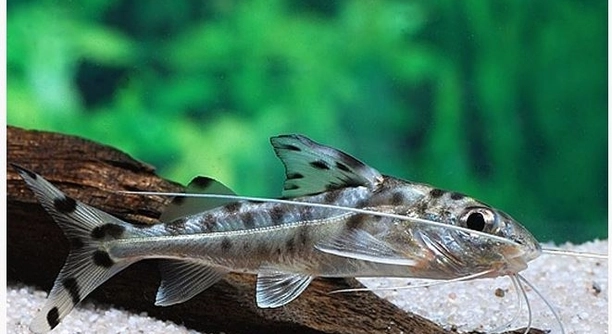
Pictus catfish are popular aquarium fish known for their active behavior and unique appearance. Like many pets, they can experience stress, which affects their health and well-being. Recognizing signs of stress early can help you provide better care for your fish.
Stress in pictus catfish often shows through physical changes, altered swimming patterns, and reduced appetite. Environmental factors, water quality, and tank mates play significant roles in causing stress, making it essential to monitor these elements closely to maintain a healthy habitat.
Knowing how to spot stress and respond properly will improve your catfish’s quality of life. The following guide highlights common signs and practical steps to help your fish stay comfortable and healthy.
Common Signs of Stress in Pictus Catfish
Pictus catfish often show stress through changes in their behavior and appearance. One common sign is erratic swimming, such as darting around the tank or hiding excessively. Another indicator is a loss of appetite, which can lead to weight loss and weakened health. You may also notice faded colors or clamped fins, which suggest discomfort or poor water conditions. Sometimes, stressed catfish rest at the bottom of the tank more than usual, showing lethargy. Stress can also cause increased breathing rates as the fish struggles to get enough oxygen. It is important to observe your catfish regularly and identify any of these signs early to prevent long-term damage or illness. Maintaining stable water parameters and a peaceful environment helps reduce stress levels in these sensitive fish.
Stress signs vary but often include behavioral and physical changes that indicate discomfort or illness in pictus catfish.
Recognizing these signs early allows you to take timely action, such as checking water quality or adjusting tank conditions. Addressing stress helps your fish recover quickly and thrive in their environment.
Causes of Stress in Pictus Catfish
Stress in pictus catfish usually comes from their environment. Poor water quality, such as high ammonia or nitrite levels, creates toxic conditions that harm fish health. Sudden changes in temperature or pH can also trigger stress by disrupting their natural balance. Overcrowding the tank causes competition for food and hiding spots, leading to aggression and anxiety. Incompatible tank mates may bully or chase your catfish, further increasing stress. Lack of proper hiding places and decorations can make them feel exposed and vulnerable. Feeding improper diets or irregular feeding schedules affects their wellbeing as well. By ensuring stable water parameters, appropriate tank mates, and a comfortable setup with hiding spots, you can reduce stress and improve their quality of life.
Creating a calm, stable environment and meeting your catfish’s needs helps prevent stress and keeps them healthy and active.
How to Improve Water Quality
Maintaining clean water is essential to reduce stress in pictus catfish. Regular water changes and monitoring parameters keep the tank healthy. Avoid letting waste and uneaten food build up, as they pollute the water quickly.
Test your aquarium water regularly for ammonia, nitrite, nitrate, and pH levels. Use a reliable water test kit and keep these within safe ranges. Change 20-30% of the water weekly to remove toxins. Adding a good filter helps maintain water clarity and removes harmful substances. Clean the filter media carefully but avoid washing it with tap water to preserve beneficial bacteria. Keeping water temperature stable, around 72-78°F (22-25°C), also supports your catfish’s comfort and health.
Be cautious when adding chemicals or treatments, as some can upset water balance and stress your fish. Always follow dosing instructions carefully. Consistent water quality management helps create a stress-free environment that supports your pictus catfish’s wellbeing.
Providing Proper Tank Environment
Pictus catfish need enough space and proper hiding spots to feel secure. A tank size of at least 30 gallons is recommended for these active fish. Without enough room, they become stressed and restless. Include decorations like caves, driftwood, or plants to give your catfish places to hide and explore. This reduces anxiety by mimicking their natural habitat.
Avoid placing the tank near loud noises or heavy foot traffic, as sudden disturbances cause stress. Keep lighting moderate; too bright lighting can make them feel exposed. Use a gentle filter flow since strong currents tire them out. Ensure the tank cover is secure, as these catfish are good jumpers and may escape when startled.
By creating a calm, well-structured environment, you support your catfish’s natural behavior and reduce stress, helping them stay healthy and active.
Signs of Illness vs. Stress
It’s important to tell stress apart from illness in pictus catfish. Stress often shows as temporary behavior changes, while illness usually involves physical symptoms like sores or swelling. Both require attention but differ in treatment.
If your catfish shows physical damage or unusual growths, it may be sick. Stress symptoms often improve with environmental changes, but illness needs specific care or medication. Watch closely to decide which is affecting your fish.
Feeding Tips to Reduce Stress
Feeding pictus catfish a balanced diet helps reduce stress. Offer high-quality sinking pellets or wafers, and supplement with live or frozen foods like bloodworms or brine shrimp. Avoid overfeeding, which can pollute the tank and cause health problems. Feed small amounts two to three times daily to keep your catfish healthy and satisfied.
Tank Mates and Stress
Some fish species are not compatible with pictus catfish. Aggressive or territorial fish can cause stress by chasing or bullying. Choose peaceful, similarly sized tank mates to create a calm environment.
Observing Your Catfish
Regular observation helps catch stress signs early. Spend time watching their behavior and appearance daily to ensure they stay healthy and happy.
FAQ
How do I know if my pictus catfish is stressed?
Look for signs like erratic swimming, hiding more than usual, loss of appetite, faded colors, clamped fins, and resting at the tank bottom. Increased breathing rates and lethargy are also common. Noticing these early helps prevent health problems and improve their environment quickly.
What causes stress in pictus catfish?
Stress often comes from poor water quality, sudden changes in temperature or pH, overcrowding, incompatible tank mates, lack of hiding spots, and improper feeding. These factors disrupt their natural behavior and comfort, making them anxious and vulnerable to illness.
How can I reduce stress in my pictus catfish?
Maintain clean water with regular changes and proper filtration. Provide a spacious tank with hiding places like caves or plants. Choose peaceful tank mates and keep a stable temperature. Feeding a balanced diet in small amounts multiple times daily also helps keep them comfortable.
Can stress make my catfish sick?
Yes, stress weakens their immune system, making them more vulnerable to infections and disease. Chronic stress can lead to severe health issues if not addressed, so keeping your catfish stress-free supports their overall health.
How often should I change the water?
Changing 20-30% of the water weekly is ideal for maintaining water quality. This removes harmful toxins like ammonia and nitrites that build up quickly and cause stress. Testing water parameters regularly helps you know when extra changes are needed.
What temperature is best for pictus catfish?
Keep the tank between 72-78°F (22-25°C). Sudden temperature changes or temperatures outside this range cause discomfort and stress. Using a reliable heater and thermometer ensures stable conditions.
Can tank decorations reduce stress?
Yes, providing caves, driftwood, and plants gives your catfish places to hide and explore. These reduce anxiety by mimicking their natural environment and helping them feel secure.
Are all fish good tank mates for pictus catfish?
No, avoid aggressive or territorial fish that may chase or bully them. Peaceful, similarly sized fish work best, helping maintain a calm and stress-free tank environment.
What should I feed my pictus catfish?
Offer sinking pellets or wafers designed for bottom feeders. Supplement with live or frozen foods like bloodworms, brine shrimp, or daphnia. Feeding small amounts two to three times daily keeps them healthy and satisfied without polluting the water.
How can I tell if my catfish is sick instead of stressed?
Physical signs like sores, swelling, unusual growths, or severe color changes usually indicate illness. Stress often causes behavior changes without physical damage. When in doubt, consult a vet or experienced aquarist for diagnosis and treatment advice.
Can overfeeding cause stress?
Yes, overfeeding leads to leftover food decaying in the tank, which pollutes the water and increases ammonia levels. Poor water quality stresses fish and can cause illness. Feeding controlled portions helps keep the tank clean and your catfish healthy.
Is it normal for pictus catfish to hide a lot?
While some hiding is normal, excessive hiding may indicate stress or poor tank conditions. Make sure the tank has enough space, proper water quality, and peaceful tank mates to encourage normal activity.
What should I do if my pictus catfish is stressed?
First, check water quality and correct any issues. Make sure the tank temperature is stable. Remove aggressive tank mates if present and add hiding spots. Adjust feeding habits to avoid overfeeding. Monitoring changes in behavior will help you see if the fish improves.
Can lighting affect my catfish’s stress levels?
Yes, very bright lighting can make pictus catfish feel exposed and stressed. Use moderate lighting and provide shaded areas in the tank with plants or decorations to create a comfortable environment.
How often should I observe my catfish?
Daily observation is best to catch early signs of stress or illness. Watching your fish regularly helps you notice subtle behavior changes and respond quickly to keep them healthy.
Are pictus catfish sensitive to water changes?
They can be sensitive to sudden large water changes. Always perform partial water changes slowly and carefully to avoid shocking them. Gradual adjustments help maintain stable conditions and reduce stress.
Final Thoughts
Taking care of pictus catfish requires attention to their environment and behavior. These fish can show signs of stress when conditions in the tank are not ideal. By paying close attention to changes in their swimming, appetite, and appearance, you can catch stress early and make adjustments. Small changes like regular water tests, stable temperature, and providing hiding spots can have a big impact on their wellbeing. Stress is not always obvious at first, but consistent care helps prevent it from becoming a bigger problem.
Maintaining clean water is one of the most important steps to keep your pictus catfish healthy. Toxic substances like ammonia and nitrites build up quickly and cause discomfort. Changing part of the water every week and using a good filter keeps the tank environment safe. It also helps to avoid overcrowding the tank and choose peaceful tank mates that do not cause aggression. Feeding a balanced diet in small amounts ensures your catfish gets the nutrition needed without polluting the tank. These simple routines make a safer, less stressful space for your fish.
Stress can affect your pictus catfish’s immune system and lead to illness if left unchecked. Taking steps to reduce stress not only improves their behavior but also helps them live longer, healthier lives. Observing your fish daily helps catch any problems early, allowing you to fix issues quickly. Creating a calm, stable environment tailored to their needs supports their natural behavior and reduces anxiety. With proper care, your pictus catfish can thrive and bring enjoyment to your aquarium for years to come.

Hello,
If you enjoy the content that we create, please consider saying a "Thank You!" by leaving a tip.
Every little bit helps us continue crafting quality advice that supports the health, happiness, and well-being of pets around the world, for pets of all shapes, sizes, and species.
We really appreciate the kindness and support that you show us!