
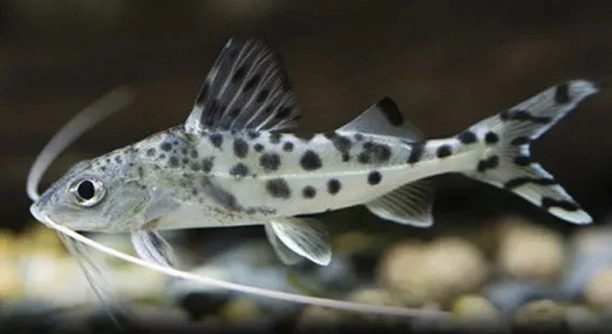
Do your pictus catfish seem stressed or aggressive when housed with certain tankmates, even though you’ve carefully selected peaceful community fish?
Pictus catfish often clash with tankmates due to differences in behavior, size, and environmental needs. Their nocturnal activity, quick movements, and territorial tendencies can trigger stress or aggression in more passive species, leading to common compatibility issues.
These conflicts can impact your aquarium’s balance and the health of your fish. Learning which species are likely to cause trouble can help you create a calmer and safer environment.
Fast-Moving Fish Can Trigger Aggression
Pictus catfish are active swimmers that prefer space to move freely, especially during the night. When housed with fast-moving fish like tiger barbs or danios, tensions can rise. These fish often dart around the tank in erratic patterns, which may overstimulate or stress the pictus. The catfish may then become defensive, especially if the tank is too small or lacks proper hiding spots. Their nocturnal habits mean they value dark, quiet places—constant activity from tankmates can disrupt their rest. Over time, this tension can result in fin nipping, chasing, or visible signs of distress in both species.
Overactive species make it hard for pictus catfish to relax, especially when tank space is limited and lighting is too bright.
If you’re noticing stress signs like excessive hiding or frayed fins, it may be due to the constant movement of tankmates. Adjusting the tank size and adding more hiding spots can help.
Small Fish May Be Seen as Food
Tiny fish like neon tetras or guppies can trigger the pictus catfish’s natural hunting instincts.
Pictus catfish have wide mouths and a strong prey drive, especially at night when they become more active. Small fish that can fit in their mouths may be mistaken for food, even if they were originally introduced as peaceful companions. Guppies, ember tetras, and other small species often swim closer to the mid or bottom level, right where pictus tend to explore. This overlap can lead to late-night hunting behavior, where the catfish picks off unsuspecting tankmates one by one. Even if the pictus doesn’t consume them right away, the constant stalking can cause stress. Some owners may not witness the act directly, but find missing fish by morning. To avoid this, stick to medium-sized tankmates that won’t trigger predatory instincts. Choose species that are too large to fit in their mouths and swim at different levels.
Semi-Aggressive Fish Cause Tension
Fish like angelfish or gouramis may seem peaceful but can become territorial, especially as they mature or pair off. This behavior creates tension, especially in tanks without defined spaces or enough hiding spots for the pictus catfish to retreat.
Pictus catfish are generally peaceful but become defensive when challenged. Semi-aggressive fish tend to guard certain areas, particularly during feeding or breeding periods. This creates conflict if the pictus unknowingly enters those zones. Their constant movement and bottom-level swimming can make them frequent targets. Without clear boundaries or space to avoid confrontation, these conflicts can quickly escalate. Nips, chases, and blocked access to food or hiding places are common signs. This setup can stress both species and increase the risk of illness. Providing visual barriers like plants or decorations and monitoring interactions can ease the situation. Otherwise, choosing calmer tankmates is often the better option.
Even subtle tension builds over time. The pictus may stop exploring, become more reclusive, or eat less. These changes can easily go unnoticed at first, especially in a busy tank. Watch for minor shifts in behavior, like hiding during feeding or sticking to one corner. Rehoming the aggressive fish or increasing the tank size may help restore peace.
Bottom-Dwellers Compete for Territory
Bottom-dwellers like plecos and loaches often clash with pictus catfish due to overlapping territories and habits.
Both pictus catfish and other bottom-feeders prefer similar hiding spots, especially caves, driftwood, or shaded corners. In a tank that doesn’t offer multiple options, these species may compete for space. Unlike surface or mid-level swimmers, bottom-dwellers are more likely to encounter each other throughout the day and night. This constant interaction can increase territorial behavior, particularly during feeding or rest. Even if there’s no visible aggression, stress levels rise when fish can’t secure private space. The result may be subtle injuries, reduced activity, or loss of appetite. Pictus catfish benefit from dedicated zones with enough spacing, so no species feels crowded or pushed out. Monitoring feeding habits and territory use helps ensure balance. Choose tankmates with different zone preferences or provide extra space and hiding spots to avoid constant competition.
Long-Finned Fish Attract Unwanted Attention
Fish with long fins, like bettas or fancy guppies, often become targets for nipping. The flowing movement of their fins can trigger the pictus catfish’s curiosity or stress, especially in smaller tanks with limited distractions.
Constant exposure to slow, trailing fins can frustrate or overstimulate pictus catfish. This sometimes leads to chasing or biting.
Incompatible Water Parameters Create Stress
Some popular species require different water conditions than pictus catfish. Goldfish, for example, prefer cooler temperatures, while pictus need warmer, tropical settings. Mixing species with differing temperature or pH preferences often causes stress and weakens immune systems. Even if no visible aggression occurs, chronic discomfort makes fish more vulnerable to illness and irritability. This may lead to behavior shifts like hiding, refusing food, or pacing the tank. Inconsistent parameters also make it harder to spot root causes of health problems. To avoid unnecessary stress, always choose tankmates with similar temperature and pH needs. Stable water conditions help support calm, natural behavior in pictus catfish.
Overcrowded Tanks Increase Conflict
Too many fish in a single tank limits space and encourages territorial behavior. Pictus catfish need room to swim freely and access multiple hiding spots. When space becomes tight, stress builds quickly.
FAQ
Can pictus catfish live with cichlids?
Pictus catfish should not be kept with most cichlids, especially aggressive or territorial ones like Oscars or Jack Dempseys. These species tend to guard areas of the tank, especially during breeding. Their size and strength can quickly overwhelm pictus catfish, leading to injury or stress. Some peaceful dwarf cichlids, like Apistogramma, may work in larger tanks, but it still depends on personality and tank layout. If cichlids are too dominant or aggressive, the pictus will likely spend most of its time hiding and avoiding conflict. It’s safer to pair pictus with calm, mid-sized community fish instead.
Do pictus catfish do better in groups or alone?
Pictus catfish are naturally social and often thrive in small groups of three or more. In the wild, they’re schooling fish and rely on the presence of others for comfort and safety. When kept alone, some pictus catfish become more skittish or spend most of their time hiding. However, if the tank is too small, keeping a group can lead to territorial disputes. A group setup requires a spacious tank—ideally 75 gallons or more—with plenty of hiding spots and open swimming space. If tank space is limited, keeping just one may be a better option to avoid crowding.
How big do pictus catfish get, and how does that affect tankmate choice?
Pictus catfish can grow up to 5 inches long, and they’re quite active swimmers. Their size and behavior mean they shouldn’t be paired with fish small enough to fit in their mouths. This includes neon tetras, ember tetras, or small guppies. These tiny species may look like food, especially at night when the pictus is most active. The tankmates should be large enough not to be seen as prey, but not aggressive enough to pose a threat. Choose fish that are at least 3 inches long, non-territorial, and able to tolerate the catfish’s active swimming patterns.
Do pictus catfish eat other fish?
Pictus catfish are not aggressive hunters, but they are opportunistic feeders. If a smaller fish fits into their mouth, especially one that’s slow or sick, the pictus may eat it. Most of this happens at night when the tank is dark and quiet. Many owners report fish disappearing overnight in mixed-species tanks. This behavior isn’t due to aggression—it’s instinct. Providing a varied diet and avoiding very small tankmates can prevent accidental snacking. Stick with medium-sized fish that swim mid to upper levels, where they won’t cross paths too often with the pictus.
Can I keep shrimp or snails with pictus catfish?
Keeping shrimp with pictus catfish is risky. Even larger shrimp, like Amanos, may be seen as food once the lights go out. The same goes for smaller snails—pictus catfish may try to eat them or constantly disturb them. Larger, well-armored snails like mystery snails may do better, but results vary. If you want to include invertebrates, make sure they have plenty of hiding places that the pictus can’t reach. Still, there’s no guarantee of safety, especially at night when the catfish becomes more curious and active. It’s safer to keep them in separate tanks.
What size tank is best for pictus catfish?
A single pictus catfish needs at least a 55-gallon tank. If you plan to keep a small group, 75 gallons or more is better. These fish are active swimmers and need space to explore, especially at night. A cramped tank leads to stress, increased hiding, and more tankmate conflicts. Along with open swimming space, they also need shaded areas and hiding spots made from driftwood, rocks, or PVC pipes. Keep in mind that they produce a decent amount of waste, so a strong filtration system is also important to keep the water clean and stable.
Are pictus catfish aggressive toward each other?
Pictus catfish can be a little territorial with one another, especially in tight spaces. However, in a properly sized tank with enough room and shelter, they usually get along. In fact, they often feel safer in small groups. Minor chasing may happen, but it’s usually harmless and short-lived. The real problem arises when space is limited or hiding spots are too few. Then, the catfish may start competing and showing signs of stress. To avoid this, offer enough cover and make sure the tank is large enough to support group behavior without forcing constant close contact.
Final Thoughts
Pictus catfish are active, curious fish that bring energy to a freshwater tank. However, their natural behavior and needs make them challenging to pair with certain species. They are peaceful by nature, but their speed, feeding habits, and nocturnal activity can lead to tension with the wrong tankmates. Some fish may be too small and end up being viewed as food. Others may be too aggressive, territorial, or simply need different water conditions. These mismatches can create unnecessary stress, reduce the catfish’s quality of life, and cause ongoing problems for the entire tank. Being selective with tankmates is one of the most important steps in keeping pictus catfish healthy and comfortable.
Providing the right tank setup also makes a big difference. A spacious aquarium with lots of hiding spots and open swimming areas helps prevent many conflicts. Stable water parameters, dim lighting, and proper filtration are just as important as choosing suitable tankmates. When these conditions are met, pictus catfish are more likely to remain active and peaceful. They enjoy exploring and will thrive in an environment that supports their habits. Keeping them in small groups can also encourage natural behavior, as long as the tank is large enough to avoid crowding. Observation is key—regularly watching for signs of stress or conflict helps prevent long-term issues.
Before adding any new fish to your tank, research their size, behavior, and care needs to be sure they match well with your pictus catfish. Take your time choosing fish that live in different levels of the tank and won’t compete for space or food. It’s also helpful to introduce fish gradually and monitor how they interact. If a conflict begins to develop, make adjustments quickly—sometimes rearranging the tank or adding extra hiding spots can solve the problem. In other cases, it may be necessary to rehome a fish that isn’t a good match. With careful planning and attention, it’s possible to build a peaceful community tank where pictus catfish can live comfortably alongside other species.

Hello,
If you enjoy the content that we create, please consider saying a "Thank You!" by leaving a tip.
Every little bit helps us continue crafting quality advice that supports the health, happiness, and well-being of pets around the world, for pets of all shapes, sizes, and species.
We really appreciate the kindness and support that you show us!