
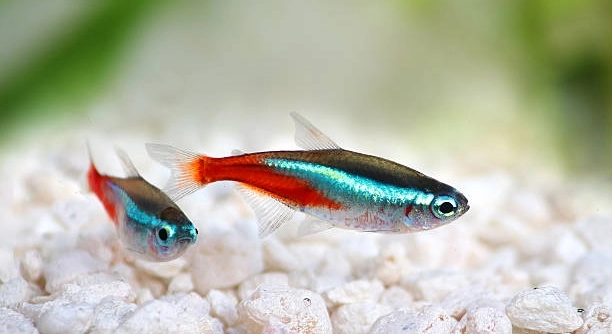
Stress stripes in tetra fish are often signs of discomfort or changes in their environment. These visible lines can indicate that something is affecting their well-being. Understanding the causes can help fish owners maintain a healthier tank.
Stress stripes in tetra fish are caused by several factors including poor water quality, overcrowding, sudden temperature changes, inadequate diet, aggressive tank mates, lack of hiding spaces, and improper lighting. Each factor stresses the fish, leading to the appearance of these stripes as a physiological response.
Recognizing the causes behind these stripes is important for keeping tetras healthy and comfortable in their environment. This article will explain the main reasons behind stress stripes and how to address them.
Poor Water Quality
Poor water quality is one of the most common causes of stress stripes in tetra fish. When the water has high levels of ammonia, nitrites, or nitrates, it can harm the fish’s health and cause stress. Tetras are sensitive to changes in water parameters like pH and hardness. If these levels shift suddenly or become unsuitable, the fish react by showing stress stripes. Dirty tanks with leftover food or waste buildup also create a toxic environment. Maintaining clean water through regular changes and proper filtration is key to preventing this issue. Many fish owners don’t realize how quickly water quality can worsen if not monitored closely. Using a water testing kit helps track the conditions to keep the tank safe. Clear water means a calmer, healthier tetra that won’t need to show stress through stripes.
Testing the water weekly and changing 20-30% regularly keeps your tetra’s environment stable and healthy.
Keeping water clean is essential for fish health. Tetras rely on balanced water to regulate their body functions. Unclean water causes constant stress, which weakens their immune system and can lead to diseases. A well-maintained tank with fresh water helps fish stay vibrant and active. Adding live plants can also improve water quality by absorbing toxins. Proper filtration removes debris and keeps oxygen levels high, helping fish breathe easier. Without these steps, tetras struggle to adapt, showing stress stripes as a visible sign of their discomfort. Regular attention to water quality is the best way to keep your fish peaceful and avoid stress-related issues.
Overcrowding
Too many fish in a tank can cause stress stripes in tetras. When there isn’t enough space, fish compete for resources and territory. This competition causes tension, leading to visible stress.
Overcrowded tanks create poor water conditions quickly. More waste from many fish raises toxin levels faster, making water quality hard to maintain. Tetras need room to swim freely and hide when they feel threatened. Without enough space, their stress levels rise, causing stripes to appear. Fish that live in cramped conditions also become more aggressive toward each other. It is important to keep the tank population balanced with the size of the aquarium. Providing enough space helps reduce stress and keeps tetras healthier over time. Choosing the right number of fish for your tank size improves their quality of life and prevents unnecessary stress.
Sudden Temperature Changes
Sudden temperature changes can quickly stress tetras, causing stress stripes. These fish prefer stable, warm water and do not handle rapid shifts well.
Rapid drops or rises in tank temperature disrupt their metabolism and immune system. When water becomes too cold or too hot, tetras struggle to adapt, leading to stress signs like stripes. Temperature swings can happen from poor heater control or cold drafts near the tank. Consistent temperature between 72°F and 80°F is ideal for tetras. Using a reliable heater and monitoring daily helps avoid these sudden changes that upset the fish.
Stress stripes may fade once the water temperature is stable again, but prolonged swings weaken fish and increase illness risk. Keeping the temperature steady protects your tetras from this stress.
Inadequate Diet
A poor diet lacking essential nutrients weakens tetras and triggers stress stripes. Balanced feeding supports their energy and immune health.
Tetras need varied food including flakes, pellets, and occasional live or frozen treats. Feeding only one type of food can cause deficiencies, leading to low vitality and stress. Overfeeding or underfeeding also harms their well-being. Overfeeding pollutes the water and can cause digestive problems, while underfeeding leaves fish weak and less able to cope with environmental stressors. Feeding small amounts twice a day is best to maintain health and reduce stress.
Providing a nutritious diet helps tetras grow strong and resist stress. Variety in food ensures they get all necessary vitamins and minerals to stay vibrant and comfortable. Proper feeding habits contribute greatly to preventing stress stripes from developing.
Aggressive Tank Mates
Aggressive tank mates can make tetras feel threatened, causing stress stripes. Tetras are peaceful and do best with calm companions.
Fish that nip fins or chase others increase stress levels. Avoid keeping tetras with overly aggressive species to maintain a peaceful tank environment.
Lack of Hiding Spaces
Tetras need places to hide when they feel scared or overwhelmed. Without enough hiding spots, stress builds quickly.
Providing plants, decorations, or caves allows tetras to feel secure. This reduces stress and prevents the appearance of stress stripes. A well-decorated tank supports their natural behavior and comfort.
Improper Lighting
Too bright or constantly changing lighting stresses tetras. Harsh light can overwhelm their senses and trigger stress.
A dimmer or natural lighting cycle helps tetras feel more relaxed and reduces stress signs like stripes. Adjust lighting according to their needs for better comfort.
FAQ
What do stress stripes on tetras mean?
Stress stripes are visible lines or bands on the body of tetra fish that appear when they are under stress. These stripes are a natural response and signal that the fish is experiencing discomfort or an unfavorable environment. Stress can be caused by poor water quality, aggressive tank mates, or sudden changes in the tank. The stripes usually fade once the stress factors are removed, but if ignored, the fish’s health may decline.
How can I tell if my tetra is stressed besides the stripes?
Other signs of stress include lethargy, loss of appetite, hiding more than usual, rapid breathing, and clamped fins. A stressed tetra may also swim erratically or stay near the surface or bottom of the tank. These behaviors often occur alongside stress stripes and show the fish is struggling to cope with its environment. Regular observation helps catch these signs early for timely action.
Can stress stripes go away on their own?
Yes, stress stripes can disappear if the cause of stress is fixed. Improving water quality, removing aggressive tank mates, stabilizing temperature, and providing hiding places all help reduce stress. Once the fish feels safe and comfortable again, its color and appearance often return to normal. However, prolonged stress may weaken the fish and lead to illness if not addressed.
Is it normal for tetras to have stripes all the time?
No, tetras naturally have bright, clear colors without stress stripes when they are healthy and comfortable. Persistent stripes usually mean ongoing stress or poor conditions. It’s important to identify and fix the cause to improve the fish’s well-being. Normal coloring means your tetra is doing well in its environment.
How often should I test the water to prevent stress?
Testing water at least once a week is recommended. This helps catch changes in ammonia, nitrite, nitrate, and pH levels early. Consistent water quality prevents stress and keeps tetras healthy. Using simple test kits makes this task easy and quick. More frequent testing may be needed in new or heavily stocked tanks.
What is the best way to reduce stress in a tetra tank?
Maintaining stable water parameters, providing enough space, avoiding aggressive tank mates, and ensuring a nutritious diet are the best ways to reduce stress. Adding plants and decorations for hiding places also helps. Regular water changes and careful monitoring create a peaceful environment where tetras thrive without stress.
Can stress stripes indicate illness in tetras?
Stress stripes themselves are not an illness but a sign of stress, which can weaken a fish’s immune system and make it vulnerable to disease. If stripes appear along with other symptoms like spots, swelling, or abnormal behavior, it could mean illness. Early treatment and stress reduction are important to prevent serious health problems.
Are some tetra species more prone to stress stripes?
Yes, some tetra species are more sensitive to environmental changes than others. Species like neon tetras are known to show stress stripes more clearly when stressed. Understanding the specific needs of your tetra species helps in preventing stress and keeping them healthy.
How does overcrowding cause stress stripes?
Overcrowding creates competition for food, space, and oxygen, leading to stress. Tetras in crowded tanks cannot swim freely or find hiding spots, increasing tension and causing stress stripes to appear. Keeping an appropriate number of fish for your tank size prevents overcrowding and stress.
What should I do if my tetra develops stress stripes?
First, check water quality and perform a partial water change if needed. Remove any aggressive tank mates and stabilize the temperature. Add plants or decorations for hiding places, and review feeding habits. Monitoring your tetra closely and making these adjustments will help the stripes fade as the fish recovers.
Final Thoughts
Stress stripes in tetra fish are important signals that should not be ignored. They show that the fish is feeling uncomfortable or stressed in some way. Many factors can cause this, such as poor water quality, sudden changes in temperature, or aggressive tank mates. Understanding these causes helps fish owners take better care of their tetras and create a healthier environment. By paying attention to stress stripes early, it is possible to make changes that improve the fish’s well-being before more serious problems develop.
Keeping a tetra tank healthy requires regular care and attention. Testing the water frequently, feeding the fish a balanced diet, and making sure the tank is not overcrowded are all simple steps that make a big difference. Providing hiding places and stable lighting also helps reduce stress. It is important to observe the fish daily so any signs of stress or illness can be caught early. When stress stripes appear, they act as a warning to check the tank conditions and address any issues right away.
Overall, tetras are beautiful and peaceful fish that thrive in stable, clean environments. Stress stripes remind us that even small changes in their surroundings can affect their health. By understanding the causes and taking action, it is possible to keep tetras comfortable and vibrant. With proper care, these fish can live long, happy lives and bring enjoyment to their owners. Paying attention to their needs and the signs they give, like stress stripes, is key to being a responsible and caring fish keeper.

Hello,
If you enjoy the content that we create, please consider saying a "Thank You!" by leaving a tip.
Every little bit helps us continue crafting quality advice that supports the health, happiness, and well-being of pets around the world, for pets of all shapes, sizes, and species.
We really appreciate the kindness and support that you show us!