
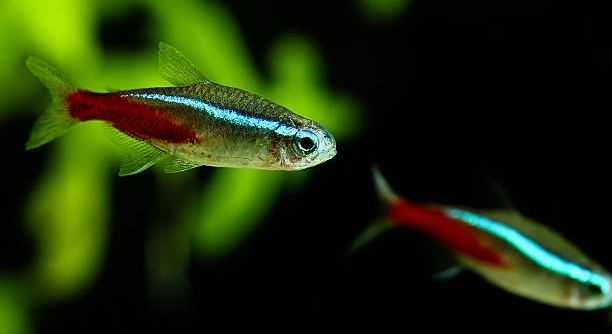
Tetras are popular freshwater fish known for their vibrant colors and peaceful nature. They can be sensitive to changes in their environment, especially temperature swings. Keeping them healthy requires understanding how temperature affects their wellbeing.
Temperature fluctuations can stress tetras, leading to weakened immune systems and increased risk of disease. Maintaining a stable temperature within their ideal range is crucial for their survival and overall health in home aquariums. Proper monitoring and gradual adjustments help prevent shock.
Managing temperature variations effectively can protect your tetras from stress and illness. The following tips provide practical ways to create a safer, more stable habitat for these delicate fish.
Understanding Ideal Temperature Ranges
Tetras thrive best in water temperatures between 72°F and 80°F (22°C to 27°C). Staying within this range helps support their metabolism and immune system. Sudden drops or spikes can shock their system, making them vulnerable to infections. It’s important to keep the tank environment consistent to avoid stressing your fish. Using a reliable aquarium heater and thermometer will help maintain steady warmth. Some species of tetra may tolerate slightly different ranges, so researching your specific type is necessary. Avoid placing the tank near windows or vents where temperature changes can be frequent. When changing water, ensure the new water matches the tank temperature closely. Gradual adjustments are better than abrupt shifts to prevent shock. Tetras are delicate, so steady conditions will help them flourish over time.
Monitoring water temperature daily and adjusting equipment settings as needed ensures a safer habitat for your fish. This consistency reduces health risks and promotes longer lifespans.
Regular checks give you confidence that your tank environment supports your tetras’ needs.
Preventing Temperature Fluctuations
Temperature fluctuations in aquariums often occur due to inconsistent heating or external environmental changes. Room temperature shifts, heater malfunctions, and poor insulation around the tank can cause water temperature to vary significantly. Ensuring the aquarium heater is functioning properly is essential to maintaining stable temperatures. Consider investing in a heater with a thermostat that automatically adjusts heat output. Avoid placing the aquarium near air conditioners, heaters, or direct sunlight, as these can quickly affect water temperature. Using a tank cover can help insulate and reduce heat loss. Adding floating plants or decorations may also contribute to more stable water temperatures by reducing surface evaporation and exposure. Regular maintenance checks on your heating equipment prevent unexpected breakdowns that could lead to rapid temperature changes.
When replacing water during tank cleaning, use water that matches the tank temperature as closely as possible to prevent stress. A slow, gradual water change process helps your tetras adapt without shock.
Creating a steady environment with proper equipment and mindful tank placement can minimize temperature swings, keeping your tetras healthier and more comfortable.
Use a Reliable Heater
A quality aquarium heater is essential for maintaining stable temperatures. Look for one with an adjustable thermostat to control the heat precisely.
A reliable heater keeps the water at a consistent temperature, preventing sudden drops that stress tetras. Heaters with built-in thermostats automatically adjust to maintain the set temperature, reducing the risk of overheating or cooling. It is important to choose a heater appropriate for your tank size to ensure even heating. Regularly test the heater’s accuracy with a separate thermometer to confirm it works correctly. Avoid heaters that cycle on and off too frequently, as this can create fluctuations harmful to your fish. Proper placement of the heater inside the tank promotes even heat distribution.
Using a dependable heater minimizes temperature swings, helping tetras stay healthy and comfortable in their environment.
Monitor Water Changes Carefully
Water changes can cause temperature changes if not managed properly. Always match the new water temperature to the tank’s current temperature to avoid shocking your fish.
Gradually acclimate your tetras during water changes by adding new water slowly to the tank. Rapid temperature shifts can stress them and weaken their immune system. Testing both tank and replacement water temperatures before mixing helps ensure consistency. Use a thermometer to measure water temperature accurately. Avoid changing large amounts of water at once, as smaller, more frequent changes are gentler on fish. Proper acclimation supports your tetras’ health during routine maintenance and helps maintain a stable environment. This practice reduces the risk of illness caused by temperature stress.
Careful water change management is a simple but crucial step to protect your tetras from harmful temperature fluctuations.
Avoid Drafts and Direct Sunlight
Drafts from windows or doors cause rapid temperature drops in the tank. Place your aquarium away from these areas to maintain stability.
Direct sunlight heats the tank unevenly and encourages algae growth. Keep the tank out of direct sun to prevent temperature spikes and maintain water quality.
Use Insulation When Needed
Insulating your aquarium can help protect it from sudden temperature changes, especially in colder rooms or during winter. Materials like foam boards or specialized aquarium insulation kits wrap around the tank to reduce heat loss. Insulation keeps the water warmer for longer periods and reduces heater workload. This creates a more stable environment, which is less stressful for tetras. When properly insulated, the tank is less affected by room temperature fluctuations, helping maintain consistent conditions for your fish’s health.
Maintain Consistent Room Temperature
Try to keep the room where your aquarium is located at a stable temperature. Avoid large swings caused by heating or cooling systems.
Use a Thermometer Regularly
Check the water temperature daily with a reliable thermometer to catch any fluctuations early.
FAQ
How often should I check my aquarium’s temperature?
It’s best to check the water temperature daily, especially if you know your room temperature varies. Regular monitoring helps catch any unexpected changes before they affect your tetras. Using a digital or glass thermometer gives you an accurate reading.
What is the ideal temperature range for tetras?
Most tetras thrive between 72°F and 80°F (22°C to 27°C). Staying within this range supports their metabolism and immune system. Some species may prefer slightly different temperatures, so check specifics for your tetra type.
Can tetras survive brief temperature changes?
Tetras can tolerate small, short-term temperature changes but frequent or extreme fluctuations can cause stress and illness. It’s important to minimize sudden shifts and maintain a stable environment.
What type of heater is best for my tetra tank?
Choose a heater with an adjustable thermostat designed for your tank size. Heaters with built-in thermostats maintain steady temperatures automatically, which reduces risks of overheating or cooling. Avoid cheap, unreliable heaters that cycle on and off too much.
How can I safely change water without shocking my fish?
Match the new water’s temperature closely with the tank’s current temperature before adding it. Add new water slowly during changes to help your tetras adjust. Avoid large water changes at once; smaller, more frequent changes are gentler.
Does tank placement affect temperature stability?
Yes. Avoid placing the tank near windows, doors, air conditioners, heaters, or direct sunlight. These areas can cause rapid temperature changes or uneven heating, which stresses fish.
Will insulation really help with temperature control?
Insulation can reduce heat loss and protect your aquarium from cold drafts or room temperature swings. Using foam boards or aquarium-specific insulation helps maintain a more stable temperature, which benefits your tetras’ health.
What should I do if my heater stops working?
If the heater fails, tetras can quickly suffer from temperature stress. Have a backup heater ready and regularly test your heater’s accuracy. If failure occurs, replace it immediately and monitor the tank temperature closely.
Can fluctuations cause diseases in tetras?
Yes. Temperature stress weakens tetras’ immune systems, making them more prone to infections like ich or fungal diseases. Keeping water temperature stable helps prevent these issues.
Is it necessary to use a thermometer if my heater has a thermostat?
Yes. Heaters can malfunction or be inaccurate, so an independent thermometer lets you double-check water temperature. This helps ensure the environment stays safe for your tetras.
How do I acclimate new tetras to my tank temperature?
Float the sealed bag in the tank for 15-20 minutes to equalize temperature. Slowly add small amounts of tank water to the bag over 30-60 minutes before releasing the fish. This gradual acclimation reduces shock and stress.
Are there signs my tetras are stressed by temperature?
Look for lethargy, loss of appetite, rapid breathing, or unusual swimming behavior. These can indicate stress from temperature issues or other environmental problems. Acting quickly can prevent serious health problems.
Can I use a timer with my aquarium heater?
Generally, no. Heaters are designed to maintain a constant temperature and switching them off for long periods causes fluctuations. It’s better to use a reliable heater with a thermostat to avoid temperature swings.
How do floating plants affect temperature?
Floating plants can shade the tank and reduce water temperature spikes from direct light. They also help reduce evaporation, which can contribute to temperature changes. This makes the environment more stable for tetras.
What’s the best way to maintain temperature during power outages?
During outages, insulate the tank with blankets and avoid opening the lid to retain heat. Consider a battery-powered heater or have a backup power source if outages are common in your area.
This FAQ covers the most common concerns about keeping tetras safe from temperature fluctuations. Following these practices helps ensure a healthy, stable home for your fish.
Maintaining a stable temperature is key to keeping tetras healthy and comfortable in their aquarium environment. These small fish are sensitive to sudden changes in water temperature, which can cause stress and lead to illness. By paying attention to temperature control, you create a safer space where your tetras can thrive. Using the right equipment, such as a reliable heater and thermometer, helps maintain consistent water conditions. Additionally, placing the tank in a stable room environment and avoiding drafts or direct sunlight prevents unwanted temperature swings that could harm your fish.
Water changes are an important part of aquarium care but must be done carefully to avoid shocking your tetras. Matching the new water temperature to the tank’s current temperature and adding it gradually supports a smooth transition. Regular monitoring during these changes allows you to catch any temperature fluctuations early. Small, frequent water changes are better than large, infrequent ones, reducing stress on your fish. Insulation around the tank can also help during colder months or in drafty rooms by keeping water temperatures more stable and reducing the heater’s workload.
Being proactive about temperature management protects your tetras’ health and encourages long-term wellbeing. It may take some effort to monitor equipment, manage water changes, and create the right setup, but the results are worth it. A stable environment supports your fish’s natural behaviors and immune system, helping prevent diseases linked to stress. With careful attention and the right tools, you can enjoy watching your tetras swim happily in a balanced, well-maintained tank.

Hello,
If you enjoy the content that we create, please consider saying a "Thank You!" by leaving a tip.
Every little bit helps us continue crafting quality advice that supports the health, happiness, and well-being of pets around the world, for pets of all shapes, sizes, and species.
We really appreciate the kindness and support that you show us!