
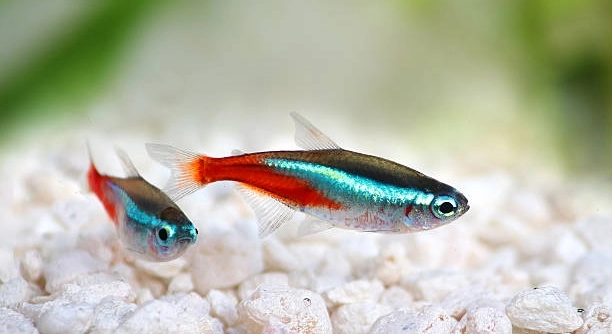
Are your tetras flicking off the tank walls and causing concern? This behavior can be surprising for fish owners who expect calm swimming patterns. Understanding why this happens is important for the well-being of your aquarium pets.
Tetras often flick off tank walls due to stress, poor water quality, or irritation from reflections and sudden movements. These factors can cause discomfort or fear, leading to frantic swimming as a reaction to their environment.
Identifying the cause behind this behavior helps maintain a healthy, peaceful aquarium environment for your tetras and supports their overall health.
Common Causes of Tetra Flicking Behavior
Tetras flicking against tank walls usually indicate stress or discomfort. One major cause is poor water quality, such as high ammonia or nitrite levels. These chemicals irritate fish and cause erratic swimming. Another reason is reflections inside the tank, which confuse tetras into thinking there are other fish competing or threatening them. Sudden noises or vibrations around the tank can also trigger this behavior, startling the fish. Additionally, overcrowding or incompatible tank mates create tension, making tetras swim frantically to escape. Sometimes, flicking results from physical irritation like parasites or fin damage. Monitoring water conditions regularly and maintaining a calm environment helps reduce this stress. Tank setup with plants and hiding spots also offers security, calming the fish and preventing wall collisions.
Proper filtration and regular water changes are essential for reducing stress and keeping your tetras healthy.
Addressing water quality and tank conditions is the first step to calming flicking tetras. Adjusting the environment improves their comfort and reduces harmful behaviors.
How to Improve Your Tetra’s Environment
Creating a stable, secure environment helps tetras feel safe and lowers wall-flicking incidents. Begin with testing water parameters to ensure ammonia, nitrites, and nitrates are within safe levels. Regular water changes are necessary to keep toxins low. Adding live plants or decorations provides hiding spots, making fish less anxious. Avoid placing the tank in high-traffic or noisy areas to reduce disturbances. Reflections can be minimized by adjusting lighting or adding a background to the tank. Overcrowding should be avoided, and tank mates must be compatible with tetras to prevent stress. Using a gentle filter flow prevents strong currents that can tire the fish. Observing your tetras for signs of illness or injury is also important, as health issues can cause flicking. By maintaining good care and environment, tetras will swim calmly and enjoy their habitat.
Monitoring Fish Health
Flicking can sometimes signal underlying health issues. Watch for signs like redness, torn fins, or unusual spots on your tetras. Early detection helps prevent serious problems.
Stress weakens fish immune systems, making them more vulnerable to diseases. Parasites such as ich or flukes often cause irritation, prompting flicking or rubbing against surfaces. Infections can also affect behavior, so isolating sick fish is important to avoid spreading illness. Regular observation of your tetras’ appearance and swimming patterns helps catch problems early. Maintaining stable water conditions supports their immune system, reducing the risk of disease. When health issues arise, prompt treatment with appropriate medication improves recovery chances.
Maintaining a clean tank with proper nutrition also strengthens your fish’s health. Balanced feeding supports their immune defenses and helps prevent flicking caused by discomfort or illness.
Adjusting Tank Setup
Tank size and layout impact tetra behavior. A cramped space limits swimming and increases stress. Tetras need at least a 20-gallon tank for a small school. Provide plenty of plants and hiding places to create a natural feel. These offer shelter and reduce anxiety, calming the fish. Using a dark background reduces reflections and external distractions that can confuse or scare tetras. Arrange decorations to avoid sharp edges that might injure them during flicking episodes. Proper lighting mimics their natural environment and prevents stress from overly bright or flickering lights. Setting up the tank thoughtfully makes a big difference in keeping tetras comfortable and less likely to collide with tank walls.
Spacing, decorations, and lighting together create a supportive environment. Regularly adjusting and improving the setup can greatly reduce flicking behavior and improve overall fish well-being.
Feeding and Nutrition
Proper feeding supports healthy behavior in tetras. Overfeeding can lead to poor water quality, which stresses fish and causes flicking. Feed small amounts once or twice daily.
A balanced diet with high-quality flakes, pellets, and occasional live or frozen foods keeps tetras energetic and less prone to stress-related behaviors.
Reducing Stress Factors
Minimizing sudden changes around the tank lowers stress. Avoid tapping on the glass or moving decorations frequently. Stable temperature and lighting also help maintain calm fish.
When to Seek Professional Help
If flicking continues despite improvements, consult a vet or experienced aquarist. Persistent behavior might indicate illness or environmental problems needing expert diagnosis.
Importance of Patience
Behavioral changes take time. Gradually improving tank conditions and health will show results, but patience is key to helping your tetras settle and feel secure.
FAQ
Why do my tetras keep flicking off the tank walls?
Tetras flick off tank walls mainly because they feel stressed or irritated. This can happen due to poor water quality, reflections in the tank, sudden noises, or uncomfortable tank mates. Sometimes, it’s caused by health issues like parasites or fin damage. Flicking is a way for the fish to try to escape discomfort or threats in their environment.
How can I tell if flicking is caused by illness?
If your tetras show flicking along with other signs like redness, torn fins, spots, or unusual swimming patterns, illness is likely. Parasites or infections often make fish rub or flick against surfaces. Observing your fish closely and isolating any sick ones helps prevent spreading disease. Prompt treatment is essential for recovery.
Can reflections really stress my tetras?
Yes, reflections can confuse tetras into thinking there are other fish competing or threatening them. This causes stress and frantic swimming. Using a dark background or adjusting the tank lighting reduces reflections and helps calm your fish.
Is tank size important to prevent flicking?
Tank size matters. Overcrowding limits space and increases stress, causing flicking. A 20-gallon tank is recommended for a small school of tetras. More space allows natural swimming and reduces aggressive behavior.
What role does water quality play?
Water quality is critical. High ammonia, nitrite, or nitrate levels irritate tetras and lead to flicking. Regular water testing, proper filtration, and consistent water changes keep toxins low and fish healthy.
How often should I feed my tetras?
Feed your tetras small amounts once or twice daily. Overfeeding can pollute the water, causing stress and flicking. A balanced diet of flakes, pellets, and occasional live or frozen foods supports their health.
Can tank decorations affect flicking behavior?
Yes, decorations provide hiding spots that reduce anxiety. Plants and shelters create a natural environment, making tetras feel safe. Avoid sharp edges that could injure them during flicking. A well-decorated tank supports calmer behavior.
How do I reduce sudden stressors around the tank?
Avoid tapping on the glass or moving decorations frequently. Keep the tank in a quiet place away from high traffic or loud noises. Stable temperature and lighting also help maintain calm fish.
When should I seek professional advice?
If flicking continues despite improving tank conditions, or if your tetras show signs of illness, consult a vet or an experienced aquarist. Persistent flicking might signal health or environmental issues needing expert care.
How long does it take for tetras to stop flicking?
Behavioral changes take time. After improving water quality, environment, and health care, it can take days or weeks for tetras to settle. Patience is key while your fish adjust and feel secure in their tank.
Final Thoughts
Tetras flicking off tank walls is a sign that something in their environment needs attention. This behavior is often caused by stress, poor water quality, or irritation from reflections and tank conditions. Understanding these causes is important for anyone keeping tetras to ensure their well-being. Paying close attention to water parameters, tank setup, and fish health helps reduce flicking and keeps the fish comfortable. Small changes in care routines can have a big impact on your tetras’ behavior and overall health.
Maintaining a clean, stable environment is essential. Regular water testing and changes prevent harmful chemical buildup that irritates fish. Tank size and decoration also play a role in reducing stress. Providing hiding spots with plants or ornaments gives tetras places to feel safe, which lowers anxiety. Avoiding sudden noises and minimizing reflections inside the tank creates a calmer atmosphere. Observing your fish regularly for signs of illness or discomfort helps catch problems early. If issues persist, consulting a professional can guide you toward effective treatment and care adjustments.
Patience is key when addressing flicking behavior. Changes in tank conditions and fish health do not always show immediate results. It can take time for tetras to adapt to improved environments and feel secure. Consistent care, feeding, and attention to their needs build a healthy, stress-free habitat. With the right approach, flicking will lessen, and your tetras will swim peacefully. Maintaining good habits ensures your fish live comfortably and thrive in their aquatic home.

Hello,
If you enjoy the content that we create, please consider saying a "Thank You!" by leaving a tip.
Every little bit helps us continue crafting quality advice that supports the health, happiness, and well-being of pets around the world, for pets of all shapes, sizes, and species.
We really appreciate the kindness and support that you show us!