
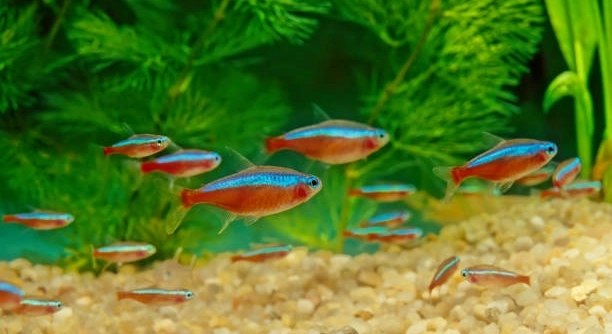
Keeping a Tetra tank healthy takes more than just feeding and cleaning. Small changes can improve water quality and fish well-being. Many owners seek simple ways to upgrade their tanks without major hassle or expense.
Improving a Tetra tank’s health involves practical upgrades such as better filtration, regular water changes, adding live plants, and controlling feeding routines. These steps reduce toxins and promote a balanced environment for the fish to thrive.
These easy upgrades can make a noticeable difference in your Tetra’s life. Learning how each change helps will support a healthier and happier tank for years to come.
Upgrade Your Filtration System
A strong filtration system is key to keeping your Tetra tank healthy. Many tanks come with basic filters that work, but upgrading to a higher-quality filter can improve water clarity and reduce harmful waste. A better filter moves water more efficiently, capturing debris and toxins before they build up. This means fewer water changes and a cleaner environment for your fish. It’s important to choose a filter rated for your tank size and the number of fish you have. You can select from hang-on-back filters, canister filters, or sponge filters depending on your needs. Upgrading your filter doesn’t have to be complicated or expensive, and it makes a big difference in the tank’s overall balance. When the water stays clean, your Tetras stay healthier and more active.
A stronger filter helps maintain good water conditions longer. This keeps your tank stable and reduces stress on your fish.
Upgrading your filtration system also helps with oxygen circulation. Some filters create gentle water movement, which supports gas exchange at the surface. This is important because Tetras need oxygen-rich water. Filters with multiple stages can also promote beneficial bacteria growth, which breaks down ammonia and nitrites. Keeping these toxins low is critical to fish health. Overall, a good filter upgrade is one of the simplest ways to improve tank conditions without extra work.
Add Live Plants
Live plants add beauty and improve water quality in your Tetra tank. They absorb nitrates and provide natural hiding spots.
Including live plants in your aquarium brings several benefits. Plants take up nutrients like nitrates, which can build up and harm your fish if left unchecked. By using these nutrients, plants help keep the water cleaner and reduce algae growth. They also release oxygen during photosynthesis, which benefits your fish and beneficial bacteria. Plants create natural shelters, helping Tetras feel safe and less stressed. Choosing hardy plants like Java fern, Anubias, or Amazon sword is best because they require low maintenance and tolerate a range of water conditions. Regular trimming keeps plants healthy and prevents overcrowding. Adding live plants not only improves the tank’s look but also supports a balanced and healthy environment for your Tetras to thrive.
Control Feeding Amounts
Overfeeding is a common mistake that harms water quality. Feeding small portions prevents leftover food from decaying and polluting the tank.
Feeding your Tetras the right amount means offering only what they can eat in two minutes. Excess food sinks and decomposes, raising ammonia and nitrite levels. These toxins stress fish and can lead to illness. Using a feeding schedule helps keep portions consistent. Avoid feeding multiple times a day with large amounts. Also, consider the size and number of fish when determining food quantity. A small pinch of flakes or pellets per feeding is often enough. Keeping feedings controlled helps maintain a clean tank and supports healthy fish behavior.
When feeding, observe how quickly your fish eat. Adjust amounts if food remains uneaten after feeding. Choosing high-quality food also improves digestion and reduces waste. Some fish may need varied diets, including occasional frozen or live foods. Keeping feeding balanced helps avoid water problems and keeps your Tetras energetic and healthy over time.
Regular Water Changes
Changing water regularly is essential to remove toxins that filters can’t fully eliminate. Partial water changes keep the tank environment stable.
Water changes should be about 20-30% every one to two weeks. This removes dissolved waste and replenishes minerals that fish need. Sticking to a schedule helps prevent sudden spikes in harmful chemicals. Use a gravel vacuum to clean the substrate and remove debris during water changes. Make sure new water matches the tank’s temperature and pH to avoid stressing the fish. Skipping water changes can lead to poor water quality and increased algae growth. Consistent maintenance supports a healthier and clearer tank, making a safer home for your Tetras.
In addition, water changes help control nitrate levels. Even the best filters cannot remove all nitrates, so changing water regularly keeps these levels low. Maintaining good water quality reduces the risk of diseases and supports natural fish behavior. Over time, clean water encourages growth and longevity in your Tetras, allowing them to thrive in a stable environment.
Monitor Water Parameters
Regularly testing water parameters helps catch problems early. Keep an eye on ammonia, nitrite, nitrate, and pH levels to maintain a stable environment.
Water changes and filter maintenance depend on these readings. Testing kits are affordable and easy to use, making it simple to track your tank’s health over time.
Use a Heater When Needed
Tetras thrive best in stable temperatures between 72°F and 78°F. A reliable heater ensures their environment stays consistent, especially in cooler rooms or during winter.
Sudden temperature changes stress fish and weaken their immune systems. Using a heater with an adjustable thermostat helps maintain the right temperature, keeping your Tetras comfortable year-round.
Add a Gentle Water Flow
Tetras prefer calm water, so avoid strong currents. Gentle water flow simulates their natural habitat and helps oxygenate the tank.
Too much movement can stress them and make it hard to swim. Adjust filter output or use flow diffusers to create a soft current that supports fish health and activity.
FAQ
How often should I clean my Tetra tank?
Cleaning frequency depends on tank size, fish count, and filtration. Typically, a partial water change of 20-30% every one to two weeks works well. Removing algae and debris from decorations and glass as needed helps maintain clarity. Regular cleaning prevents harmful buildup but avoid over-cleaning, which can disrupt beneficial bacteria.
What is the best food for Tetras?
High-quality flake or pellet food designed for small tropical fish is ideal. Tetras also enjoy occasional treats like frozen or live brine shrimp, daphnia, or bloodworms. Variety supports nutrition and reduces boredom. Feed small amounts that fish consume within two minutes to prevent overfeeding and water pollution.
Can I keep other fish with Tetras?
Yes, Tetras are peaceful and do well with other small, non-aggressive fish. Suitable tank mates include Corydoras catfish, small rasboras, and some dwarf gouramis. Avoid large or aggressive species that may stress or harm Tetras. Always research compatibility before mixing fish.
How important are plants in a Tetra tank?
Plants provide oxygen, absorb excess nutrients, and offer hiding places that reduce fish stress. Live plants improve water quality by lowering nitrates. Hardy varieties like Java fern and Anubias require minimal care. Adding plants helps mimic a natural environment for your Tetras.
What temperature range is best for Tetras?
Tetras prefer stable temperatures between 72°F and 78°F (22°C to 26°C). Sudden changes or extremes can stress fish and lead to illness. Using a heater with a thermostat ensures the tank stays within this range year-round.
Why are my Tetras hiding a lot?
Hiding can indicate stress, poor water quality, or illness. Check water parameters for ammonia, nitrites, and nitrates. Ensure the tank has enough plants or decorations for shelter. Sudden changes in light, temperature, or tank mates may also cause hiding. Address these issues to help fish feel safe.
How do I prevent algae growth?
Algae thrive on excess nutrients and light. Avoid overfeeding, keep water clean with regular changes, and limit tank light to about 8-10 hours daily. Adding live plants competes with algae for nutrients. Algae eaters like snails or shrimp can also help control buildup.
Is it necessary to cycle a new tank before adding Tetras?
Yes, cycling establishes beneficial bacteria that break down harmful ammonia and nitrites. This process usually takes 4-6 weeks. Adding fish too soon can expose them to toxic water conditions. Testing water parameters confirms when cycling is complete and the tank is safe for fish.
How many Tetras should I keep in one tank?
Tetras are schooling fish and prefer groups of at least six. A 20-gallon tank can comfortably hold 6 to 10 Tetras. Overstocking causes poor water quality and stress. Providing enough space promotes natural behavior and reduces aggression.
What signs show a Tetra is sick?
Common signs include faded color, clamped fins, erratic swimming, loss of appetite, or visible spots and lesions. Early detection and water quality checks help prevent serious illness. Quarantining new fish before adding them to the main tank can reduce disease risks.
Can I use tap water for my Tetra tank?
Tap water is often safe if treated properly. Use a water conditioner to remove chlorine, chloramine, and heavy metals before adding water to the tank. Letting water sit for 24 hours can help evaporate chlorine, but not chloramine. Testing water parameters ensures it’s safe.
How do I acclimate new Tetras to my tank?
Float the sealed bag with fish in the tank for 15-20 minutes to match temperature. Gradually add small amounts of tank water to the bag over 30-60 minutes. Then gently release fish into the tank to reduce shock. Proper acclimation improves survival and reduces stress.
Keeping a Tetra tank healthy does not have to be difficult. Simple upgrades like improving filtration, adding live plants, and controlling feeding amounts can make a big difference. These small steps help maintain clean water and create a stable environment where your fish can live comfortably. It is important to remember that each change supports the overall balance of the tank, making it safer and more natural for your Tetras.
Regular maintenance also plays a key role in tank health. Partial water changes, monitoring water parameters, and cleaning the tank prevent harmful waste from building up. Consistency in these tasks ensures that your tank stays clear and free from toxins that can harm your fish. Using tools like water testing kits helps you stay informed and make timely adjustments when needed. When the tank is stable and clean, your Tetras will show better color, activity, and growth.
Finally, paying attention to details like tank temperature and water flow can improve fish well-being. Tetras need steady temperatures and gentle water movement to reduce stress. Combining these factors with good feeding habits and a thoughtful choice of tank mates creates a healthy home. Taking the time to apply these easy upgrades can give your Tetra tank a fresh start and long-lasting benefits for your fish. Overall, a little care and attention go a long way in creating a thriving aquatic environment.

Hello,
If you enjoy the content that we create, please consider saying a "Thank You!" by leaving a tip.
Every little bit helps us continue crafting quality advice that supports the health, happiness, and well-being of pets around the world, for pets of all shapes, sizes, and species.
We really appreciate the kindness and support that you show us!