
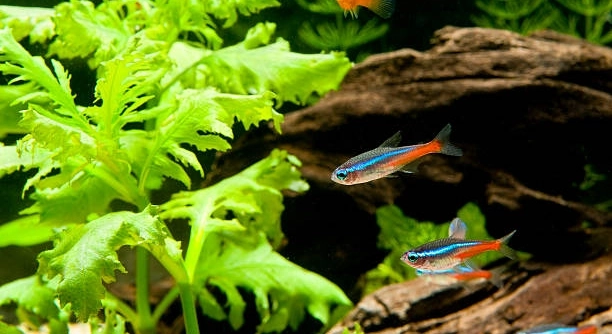
Are your tetras acting differently, swimming awkwardly, or hiding more often than usual? These changes could mean your fish is hurt.
Tetras may show signs of injury through unusual swimming patterns, loss of color, torn fins, or reduced appetite. These behaviors often suggest stress, illness, or physical trauma, which can affect their overall health if not addressed quickly.
Learning how to spot the signs early can help you protect your tetra’s well-being and keep your tank a safe place for them.
Changes in Swimming Behavior
Injured tetras often swim in odd patterns. They may swim sideways, upside down, or struggle to stay balanced. This behavior usually signals something isn’t right, especially if it appears suddenly. Some may avoid other fish, become sluggish, or hover near the bottom. These actions can indicate a swim bladder issue, external injury, or internal stress. Sometimes, aggressive tank mates or poor water quality can trigger these symptoms. Observing how your tetra moves is one of the first clues that something is off. Make sure to watch closely for shifts in posture or energy. These changes are often easy to spot if you’re familiar with how your tetra normally behaves. Early signs can appear subtle, but they should not be ignored. Acting quickly can prevent more serious problems from developing. Ensuring a safe and calm environment may help ease their discomfort and encourage recovery.
Behavioral changes like drifting, sinking, or erratic darting often signal internal damage or stress in tetras.
If your tetra is showing signs like frequent floating or sudden jerks, it may be struggling with pain or injury. These signs are not just quirks. They can be responses to trauma, infection, or even shock from sudden changes in their tank. When the swim bladder is affected, for example, balance and movement suffer noticeably. If left untreated, these symptoms can worsen, leading to long-term health issues or even death. Tank mates may also bully injured tetras, causing further damage. Keeping your eye on movement and adjusting water conditions quickly—especially temperature and pH—can improve outcomes. Also, consider separating injured fish into a smaller tank with gentle filtration and stress-reducing water treatments. This gives them space to heal without added pressure from other fish. Watching for behavioral shifts is one of the simplest ways to catch an issue early and support your tetra’s recovery.
Visible Physical Damage
Look for torn fins, missing scales, or discoloration. These signs often point to injury and should be taken seriously.
Visible wounds on your tetra may come from sharp tank décor, aggressive tank mates, or sudden impacts with hard surfaces. Injuries like split fins or bloody marks are not only painful but can also become infected. A white or fuzzy appearance on a wound may mean fungus is spreading. When you spot physical damage, begin treatment right away to stop it from getting worse. A clean, quiet tank with stable water parameters will help them heal faster. Adding aquarium salt or using antibacterial treatments can protect against infection. Keep your tetra in a stress-free environment, avoiding bright lights and strong currents. If the injury is from aggression, consider removing the aggressive fish or rearranging the tank layout to break territorial patterns. By staying alert to these visible changes, you can take practical steps to support your tetra’s recovery and overall comfort.
Loss of Appetite
Tetras that stop eating may be in pain or feeling unwell. A sudden change in appetite often points to internal injury, infection, or stress. Skipping meals for more than a day or two is usually a clear sign something’s wrong.
When a tetra refuses food, it may be reacting to discomfort, poor water quality, or even digestive issues. Injuries can make swimming to the surface painful or cause them to feel too weak to eat. Over time, a lack of nutrition weakens the immune system, making it harder for your tetra to recover from injuries. Offer soft, high-quality food in small amounts to avoid overwhelming them. It’s also helpful to dim the tank lighting and reduce tank activity. Observe closely and remove uneaten food promptly to maintain water quality. A sick or hurt tetra might not compete well for food, especially in community tanks with faster, more aggressive eaters.
Stress from bullying or environmental changes can also cause tetras to stop eating. If an injury or conflict is suspected, isolate the fish in a quiet tank with gentle water flow. This gives the fish space to rest and eat without pressure. Make sure water temperature, pH, and ammonia levels are within the safe range. Poor water conditions can damage the gills or digestive tract, making feeding painful. Try offering soaked flakes, brine shrimp, or crushed pellets, as these are easier to swallow. Watch for any signs of improvement in appetite or behavior. Appetite changes are often the earliest indicators that something deeper is affecting your fish.
Hiding More Than Usual
If your tetra is suddenly hiding more often, it might be trying to cope with injury or fear. This behavior usually happens when they’re feeling unsafe, stressed, or physically uncomfortable from damage.
Tetras that are hurt often seek quiet, darker spots in the tank to avoid other fish and reduce movement. While it’s normal for them to occasionally rest or stay near plants, constant hiding is different. Watch for signs like isolating under rocks or staying near the heater. Injured tetras tend to avoid open spaces because swimming might be painful or their movement is limited. Make sure the tank isn’t overcrowded or aggressive fish aren’t bullying others. Dim lighting, extra plants, and soft currents can help your tetra feel more secure while it recovers. If this hiding behavior continues, it’s worth testing water quality and checking for other signs of illness or physical damage. Consistent hiding shouldn’t be ignored.
Change in Color
A tetra that looks paler than usual may be stressed or in pain. Injuries can cause sudden color fading, especially if the fish is frightened, sick, or suffering from internal damage. Color change often appears alongside other warning signs.
Stress from injury or poor water quality can dull their vibrant hues. When the body is fighting off an infection or healing, color intensity may drop. If this happens, test the water and check for other symptoms like fin damage or strange behavior. A pale tetra often needs quick attention and a calm environment to recover properly.
Breathing Heavily
Rapid gill movement or gasping near the surface is often linked to pain, injury, or water issues. Damage to the gills, infections, or low oxygen levels can cause your tetra to breathe faster than usual. Always check ammonia and nitrite levels when you notice this change.
Staying Near the Surface
Tetras that hover near the top of the tank may be avoiding stress or struggling to breathe. This can happen after an injury or due to poor water conditions. Watch closely for gasping, lack of movement, or signs of exhaustion.
How can I tell if my tetra is seriously injured?
Serious injury in tetras usually shows as a combination of symptoms like torn fins, bleeding, severe color loss, and abnormal swimming. If your fish stops eating completely or becomes very lethargic, these are strong signs of major health problems. Swelling, visible wounds, or constant gasping for air also indicate serious distress. Immediate action is needed to prevent further harm. Checking water quality is crucial since poor conditions can worsen injuries. Consider isolating the fish in a hospital tank to reduce stress and monitor its condition closely.
What should I do if I notice my tetra is injured?
Start by moving the injured tetra to a clean, quiet tank with stable water conditions. Keep the temperature consistent and avoid strong currents to reduce stress. Use aquarium salt or a mild antibacterial treatment to prevent infections. Remove any sharp or rough decorations from the main tank to avoid further damage. Monitor your tetra’s behavior and physical condition daily. Feed soft foods in small amounts to help it regain strength. If the injury looks severe or doesn’t improve after several days, consult a vet familiar with fish health.
Can an injured tetra recover without medication?
Sometimes minor injuries heal on their own if the environment is calm and water quality is excellent. Good tank maintenance, proper nutrition, and minimal stress are key factors. However, wounds exposed to bacteria or fungus usually need treatment to avoid infection. If your tetra’s injury is small and the fish is still active and eating, you can watch for signs of healing before using medication. Keep in mind that untreated infections can worsen quickly, so be ready to intervene if the condition declines.
Is it normal for a tetra to hide more when injured?
Yes, hiding is a natural behavior for injured or stressed tetras. They seek shelter to avoid predators, reduce movement, and recover in peace. Increased hiding can help them conserve energy and avoid aggression from other fish. Provide plenty of hiding spots with plants or decorations to make your fish feel safe. Keep the tank environment quiet and stable to support healing.
What causes torn fins in tetras, and how can I prevent it?
Torn fins often result from rough tank mates, sharp tank decorations, or poor water conditions that weaken the fins. Fighting among fish is a common cause, especially in crowded or aggressive tanks. To prevent torn fins, avoid housing tetras with aggressive species and remove any rough or sharp objects from the tank. Maintaining good water quality also helps fins stay strong. If torn fins appear, clean the tank well and consider using antibacterial treatments to prevent infection.
How important is water quality for an injured tetra?
Water quality is critical for recovery. Poor water conditions stress fish and slow healing. Ammonia, nitrites, and nitrates must be kept at safe levels. Clean, oxygen-rich water helps injured tissue repair faster and reduces the risk of infections. Frequent water changes and proper filtration are essential, especially when treating injured fish. Monitor parameters regularly and avoid sudden changes, which can add to the fish’s stress.
When should I separate an injured tetra from the main tank?
Separate your injured tetra if it is being bullied or if its injuries are severe enough to need special care. A hospital tank with gentle filtration, stable temperature, and no aggressive tank mates creates an ideal recovery space. Isolation prevents further harm and allows you to monitor feeding and medication closely. Use a small container or breeding box inside the main tank if a separate tank is not available, but ensure proper water circulation.
Can diet help speed up a tetra’s recovery?
A nutritious diet supports healing and strengthens the immune system. Offer high-quality, protein-rich foods like brine shrimp, daphnia, or specialized pellets designed for sick fish. Soften dry food before feeding to make it easier to eat. Avoid overfeeding, as leftover food can harm water quality. Providing vitamin supplements or foods rich in vitamins A and C may boost your tetra’s resistance to infections. Proper feeding helps maintain energy levels needed for recovery.
How long does it usually take for an injured tetra to heal?
Healing time varies depending on the injury’s severity, water conditions, and care provided. Minor wounds and fin tears may heal within one to two weeks. More serious injuries or infections could take several weeks or longer. Consistent care and good water quality shorten recovery time. If no improvement is seen after a few weeks, re-evaluate the situation and consider professional advice.
Are there common mistakes to avoid when caring for an injured tetra?
Avoid overcrowding the tank and mixing aggressive fish with injured tetras. Don’t skip water tests or delay water changes, as poor water quality worsens injuries. Overmedicating or using strong chemicals without guidance can harm your fish further. Feeding too much or too little can also impact recovery. Finally, don’t ignore signs of infection or worsening condition—early intervention is key to saving your tetra.
Taking care of an injured tetra requires patience and attention to detail. These small fish can show many signs of injury, from changes in swimming to visible wounds or loss of appetite. Noticing these signs early can make a big difference in their recovery. It is important to regularly observe your fish so you know what is normal behavior. When you spot something unusual, acting quickly helps prevent minor problems from becoming severe. Simple steps like improving water quality, isolating the injured fish, and offering gentle food can support healing. The goal is to create a safe, calm environment where your tetra can rest and regain strength.
Water quality plays a crucial role in the healing process. Injuries and illnesses weaken a tetra’s immune system, making it more vulnerable to infections. Clean water with stable temperature, proper pH, and low levels of ammonia and nitrites reduces stress and supports faster recovery. Frequent water changes and good filtration are key to maintaining this environment. Removing aggressive tank mates or sharp objects that might cause further harm also protects your injured fish. Sometimes, treatment with aquarium salt or antibacterial medications is necessary to prevent infections. However, careful observation and patience are often enough to help minor injuries heal naturally.
Feeding your injured tetra a balanced diet is another important part of care. Choose soft, nutritious foods that are easy to eat and digest. Avoid overfeeding, as leftover food can quickly spoil the water. Small, frequent meals can help your fish regain energy without overwhelming its system. Remember that stress and injury reduce appetite, so try to keep the tank environment quiet and stable. Providing plenty of hiding places lets your tetra feel secure while recovering. With time, proper care, and close monitoring, most injured tetras can bounce back and return to their lively, healthy selves.

Hello,
If you enjoy the content that we create, please consider saying a "Thank You!" by leaving a tip.
Every little bit helps us continue crafting quality advice that supports the health, happiness, and well-being of pets around the world, for pets of all shapes, sizes, and species.
We really appreciate the kindness and support that you show us!