
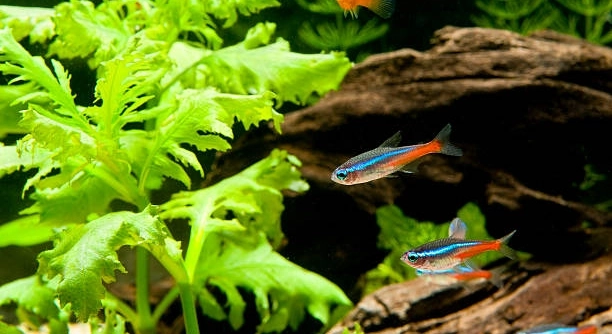
Is your tetra suddenly spending most of its time lying at the bottom of the tank, looking less active than usual? This change in behavior can be confusing and a little concerning for any fish owner.
Tetras often lay at the bottom due to stress, illness, poor water conditions, or injury. Other possible causes include swim bladder issues, old age, or simply resting. Observing your fish closely can help determine the exact reason.
Understanding the possible causes can help you make small changes that could improve your tetra’s health and comfort in the tank.
Stress from Environmental Changes
Stress is one of the most common reasons a tetra may rest at the bottom of the tank. Tetras are sensitive to sudden changes in their surroundings. If you’ve recently cleaned the tank, introduced new fish, or adjusted the temperature or pH levels, your tetra might be reacting to those shifts. A stressed fish may become less active, hide more often, or isolate itself at the bottom. Loud noises, constant movement around the tank, or poor lighting can also create stress. Giving your fish time to adjust, keeping the tank calm, and maintaining a consistent setup can help.
Short bursts of stress can be normal, especially after a water change or tank relocation. Long-term stress, however, needs to be addressed.
Keep your tank clean, check your heater and filter regularly, and avoid making too many changes at once. Your tetra needs a stable environment to feel safe and act normally.
Poor Water Quality
Dirty or unbalanced water is often to blame when fish show unusual behavior. Even small shifts in ammonia, nitrite, or nitrate levels can affect their health.
Check the water parameters with a test kit. Tetras need clean, well-oxygenated water with stable pH and temperature. Ammonia and nitrites should be at zero, and nitrates should be kept low. Poor filtration or skipped water changes can quickly cause the water to become unhealthy. If your tetra is at the bottom, gasping or looking pale, poor water might be the reason. Perform partial water changes weekly and avoid overfeeding, which can lead to waste buildup. Make sure the filter is working properly and not clogged. Use a gravel vacuum to remove debris from the tank bottom. Water conditioners can help neutralize harmful chemicals in tap water. Healthy water leads to healthy behavior, so it’s important to monitor your tank regularly and fix any imbalances quickly.
Illness or Disease
Tetras that stay at the bottom may be sick. Signs like clamped fins, faded color, or odd swimming can point to common illnesses such as ich, fin rot, or internal infections.
Look closely for spots, swelling, or ragged fins. Sometimes illness can develop quietly, especially if the fish has been under stress. If multiple fish are acting off, it might be contagious. Quarantine sick fish if possible and treat with the right medication. Keeping the tank clean and avoiding overcrowding can lower the chance of disease. A weakened immune system makes it easier for illness to spread, so support your fish with clean water and proper nutrition. Avoid adding new fish without proper quarantine, as that’s a common way disease enters a tank. Acting early when you notice symptoms gives your tetra a better chance to recover.
Some illnesses affect the swim bladder or digestion, causing buoyancy problems. A tetra with a swim bladder issue might rest at the bottom and struggle to rise. Try feeding peeled, cooked peas, as this may help clear blockages. Avoid feeding dry flakes that haven’t been soaked, as they can swell in the stomach. If symptoms continue, isolate the fish and consider using aquarium salt or antibiotic treatments depending on the suspected illness. Always research before medicating.
Swim Bladder Disorder
Swim bladder problems affect how fish stay afloat. A tetra with this disorder may sink, float oddly, or stay at the bottom. It’s often caused by constipation, infection, or injury to the bladder.
Feeding habits play a big role. Overfeeding or giving only dry food can cause constipation, leading to swim bladder trouble. Try feeding your tetra softer foods like brine shrimp or daphnia for a few days. Soaking dry food before feeding can also help. If the issue doesn’t go away, it could be infection-related and may need specific treatment. Avoid handling or tapping the glass, as extra stress can make it worse. Keep the tank calm and monitor other fish for similar behavior. Water temperature also matters—too cold, and digestion slows down, which may trigger swim bladder issues. Keeping the tank around 75–80°F can help support normal function and prevent further problems.
Old Age
As tetras age, they often become less active and may rest at the bottom more often. Their energy levels drop, and they may not swim as much as they used to, especially after feeding or during quiet times.
Older tetras may also show faded colors and slower response to movement. This is normal and not always a sign of illness.
Injury
A tetra that has been injured might stay near the bottom to avoid further stress. Fights, rough handling, or getting caught in decorations or filter intakes can all cause injury.
Give the fish time to heal in a calm, clean environment. Avoid placing aggressive tank mates with weaker or smaller fish.
Resting or Sleeping
Tetras sometimes rest at the bottom, especially at night or when the lights are off. If they appear calm and healthy, this is likely just a normal resting behavior.
FAQ
Can a tetra lay at the bottom and still be healthy?
Yes, it’s possible. Sometimes tetras rest at the bottom, especially during the night or when the tank lights are off. If your tetra is still eating, swimming normally at other times, and has no visible signs of illness, it may just be taking a break. Just like other fish, tetras need rest. As long as the fish seems alert when active, has good color, and reacts to movement or feeding, occasional bottom-sitting isn’t always a concern.
How do I know if my tetra is sick or just tired?
Pay attention to more than just its position. Signs of sickness include clamped fins, white spots, faded colors, swelling, or labored breathing. A tired or resting tetra will still look healthy, with good coloring and normal breathing. If your fish perks up during feeding time and moves normally, it’s likely just resting. However, if the behavior continues for more than a day or two or gets worse, it’s better to observe closely and test your water.
What should I check first if my tetra is acting strange?
Start by testing the water. Water quality is the most common reason fish act differently. Check ammonia, nitrites, nitrates, pH, and temperature. If those are off, a water change might be needed. After that, observe the fish for physical signs of stress or illness. Look at tank mates to make sure there’s no bullying or fighting. Rule out overfeeding or poor diet, as these can cause swim bladder or digestion issues.
Can swim bladder issues go away on their own?
Mild cases often do. If caused by overfeeding or constipation, stopping food for a day or two can help. After that, try feeding soft, high-fiber foods like blanched peas (without skin) or daphnia. These can help clear the digestive system. Make sure the water temperature stays stable and warm, as cold water slows digestion. If your fish is still struggling after a few days or gets worse, it may need treatment with medication.
Should I separate a tetra that stays at the bottom?
If you suspect illness, injury, or aggression, it’s a good idea to move the tetra to a separate tank or breeding box within the same tank. This helps reduce stress and allows you to monitor it more closely. Keep the quarantine tank clean, warm, and quiet. Add some plants or hiding places to make it feel safe. Use this time to observe the fish’s eating habits, swimming, and behavior. If it improves, you’ll know something in the main tank may have been the cause.
Why is my tetra at the bottom after a water change?
Sudden changes in temperature, pH, or water chemistry can stress fish, especially sensitive species like tetras. If the new water is too cold or contains chemicals like chlorine, your fish may react by becoming sluggish or laying low. Always match the temperature of the replacement water and use a good water conditioner before adding it to the tank. It’s also better to do small, regular water changes rather than large ones that shock the system.
Can diet affect my tetra’s behavior?
Yes. A poor diet can lead to digestion issues, swim bladder problems, and low energy. Make sure your tetra gets a mix of high-quality flakes or pellets and occasional frozen or live foods like brine shrimp or bloodworms. Avoid feeding only dry food without soaking it first, as this can cause bloating. Feed small amounts once or twice a day, and remove uneaten food to keep the water clean.
Is it normal for older tetras to slow down?
Yes, older tetras often swim less and may rest more often, sometimes near the bottom. Their bodies naturally slow down with age. You might also notice their color fading slightly or slower response times. As long as they’re still eating and not showing signs of disease, it’s usually not a reason to worry. Just make sure the tank stays calm, with no aggressive fish picking on them.
What if only one tetra is laying at the bottom?
A single tetra acting this way could mean it’s sick, injured, or stressed. Check for any physical signs like swelling, spots, or torn fins. Also watch how other fish are treating it—aggression or chasing can cause one fish to hide. If the rest of the group seems fine, isolate the affected fish and observe it closely. It’s better to act early if something seems off, especially in a schooling species where one weak fish can quickly become worse.
How can I keep my tetras healthy and active?
Keep their tank clean, stable, and peaceful. Do weekly water changes, avoid overfeeding, and use a reliable heater and filter. Feed a varied diet and don’t overcrowd the tank. Tetras are schooling fish, so keep them in groups of at least six to reduce stress. Watch for signs of illness or changes in behavior, and act early if anything seems wrong. A well-maintained tank gives your tetras the best chance to stay happy and active.
Final Thoughts
Seeing your tetra laying at the bottom of the tank can feel worrying, especially if you’re not sure what’s going on. But in many cases, the cause is simple and can be fixed with a few small changes. Things like poor water quality, sudden stress, or even a mild illness are often behind this kind of behavior. Sometimes, it’s just age or rest. The most important thing is to stay calm and observe your fish closely. Look for changes in color, breathing, movement, and how it interacts with other fish. These little signs can help you understand what’s really going on.
Keeping your tetra healthy starts with a clean, stable tank. Test your water regularly, avoid overcrowding, and stick to a feeding schedule. Try not to make sudden changes to the environment, and always handle fish gently. If you suspect illness, isolate the affected fish if you can, and look into safe treatments. Don’t forget that swim bladder issues, constipation, or infection can all be managed if you catch them early. You don’t need to be an expert—just stay consistent with care and pay attention to your fish’s normal behavior. When something seems off, act early rather than waiting too long.
Tetras are small, peaceful fish, but they need the right conditions to thrive. A calm tank, steady water conditions, and a balanced diet can go a long way in preventing problems. Whether your fish is sick, stressed, or simply aging, the best thing you can do is create a stable space for it to feel safe. Keep learning as you go—each small experience helps you better understand your fish and what it needs. With a bit of patience and attention, you can help your tetra stay happy and active, and if it’s just resting or slowing down with age, you’ll know when not to worry.

Hello,
If you enjoy the content that we create, please consider saying a "Thank You!" by leaving a tip.
Every little bit helps us continue crafting quality advice that supports the health, happiness, and well-being of pets around the world, for pets of all shapes, sizes, and species.
We really appreciate the kindness and support that you show us!