
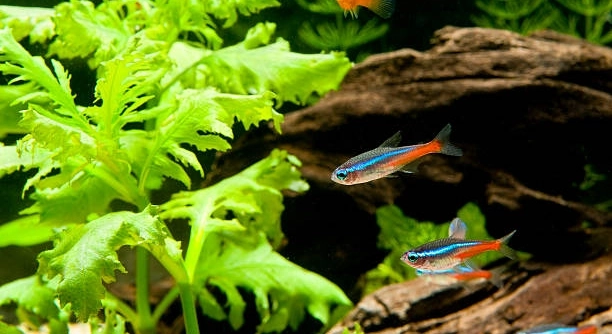
Are your tetra fish often seen hovering right above the air stone in your aquarium? This behavior can catch your attention, especially if you are new to keeping these lively fish. It is common to notice fish gathering around areas with bubbles and movement.
Tetras hover over the air stone primarily because it increases oxygen levels in that area, making it easier for them to breathe. The bubbles create water movement and aeration, attracting fish seeking more oxygen-rich water or stimulation.
Understanding why your tetras behave this way can help you maintain a healthier tank environment. This knowledge ensures your fish remain comfortable and thrive in their aquatic home.
Why Tetras Are Attracted to the Air Stone
Tetras often gather near the air stone because it changes the water environment in a way that feels better to them. The air stone releases bubbles that increase oxygen levels in the tank. Fish need oxygen to survive, and these bubbles help mix oxygen into the water more efficiently. The movement caused by the bubbles also creates a gentle current, which some tetras find comforting. This current mimics their natural habitats, where water is often flowing, making them feel safer and more at ease. Additionally, the air stone area tends to have a slight increase in water temperature and circulation, which can draw the fish in. Sometimes, tetras hover there simply because it is an active and stimulating spot in the tank. Observing this behavior shows that your fish are responding to their environment and seeking conditions that help them stay healthy.
The bubbles from the air stone create oxygen-rich water and gentle movement, which tetras prefer for comfort and better breathing.
This behavior is quite natural. Tetras respond to oxygen and water flow, so their hovering over the air stone is a sign they are adjusting to their tank’s environment. Ensuring good aeration is a simple way to keep your fish healthy.
How to Manage Tetra Behavior Around the Air Stone
Tetras clustering near the air stone is not harmful, but it may signal that the tank needs attention. Regular water changes and proper filtration can improve overall water quality. Good tank maintenance keeps oxygen levels stable and reduces the need for fish to stay near the air stone for breathing. Adjusting the air stone’s output to create gentle bubbles can also make the environment more comfortable for your fish. If bubbles are too strong, tetras might avoid the area altogether. Watching how your fish react helps you find the right balance of aeration and flow. Offering plants or decorations can give your tetras other places to explore and rest, reducing their focus on the air stone. Keeping an eye on your fish’s behavior and tank conditions helps maintain a peaceful and healthy home for your tetras.
Making small adjustments to water quality and bubble flow can help your tetras feel comfortable throughout the tank.
If tetras hover too much near the air stone, it could mean oxygen levels in other parts of the tank are low. Improving tank aeration and circulation with proper equipment helps distribute oxygen evenly. Using live plants is also beneficial because they add oxygen during the day. Regular monitoring of water parameters, including temperature, pH, and ammonia levels, is essential to ensure a healthy environment. Fish may cluster near the air stone if the tank is overcrowded or if water quality declines. Keeping the tank clean and not overstocking will help your tetras spread out and explore freely. By paying attention to these factors, you create a balanced habitat where your tetras are active and less reliant on one area for comfort.
Common Signs of Stress in Tetras
Tetras that hover constantly over the air stone may show other signs of stress. These can include clamped fins, loss of color, or erratic swimming. Stress can weaken their immune system, making them more prone to illness.
Stress often results from poor water quality or overcrowding. When conditions aren’t right, tetras may stick near the air stone where oxygen is higher. This behavior is a way to cope but is not a long-term solution. If the stress continues, fish might stop eating or become lethargic. It’s important to check tank parameters regularly to catch problems early. Addressing issues quickly helps prevent serious health problems.
Environmental changes can also cause stress. Sudden temperature shifts, loud noises, or adding new fish without proper acclimation can make tetras uncomfortable. Keeping a stable, calm tank environment reduces stress and encourages natural behavior. Providing hiding spots and plants can help fish feel secure and less likely to cling near the air stone.
Improving Your Aquarium Environment
Maintaining proper oxygen levels and clean water is key to keeping tetras healthy and relaxed. Regular water changes and using a good filter system help keep the environment balanced.
Adding live plants improves oxygen production during the day and provides shelter. These elements create a more natural habitat for your tetras and encourage them to explore the whole tank instead of lingering near the air stone. Careful attention to water temperature and pH also plays a role in their comfort. Stable conditions reduce stress and promote healthy swimming patterns.
If your tank is small or overcrowded, consider upgrading to a larger aquarium or reducing the number of fish. More space means better water quality and less competition for oxygen. Using an air stone with adjustable airflow helps find the right bubble intensity that suits your tetras. This combination of good care and thoughtful setup encourages your fish to spread out and behave naturally throughout the tank.
Adjusting Air Stone Placement
Placing the air stone in different parts of the tank can affect where your tetras gather. Moving it away from the main swimming area can encourage fish to explore more.
Try placing the air stone near plants or decorations. This creates oxygen-rich zones without concentrating bubbles in one spot, giving tetras more options to swim comfortably.
Monitoring Water Parameters Regularly
Keeping track of water temperature, pH, ammonia, and nitrite levels helps prevent problems that make fish cluster near the air stone. Consistent testing ensures the environment stays stable. Adjustments made early can keep your tetras healthy and reduce stress-related behaviors.
Choosing the Right Air Stone
Using an air stone with adjustable airflow helps control bubble size and intensity. Smaller, gentle bubbles are usually better for tetras, as strong currents can stress them. Selecting the right air stone makes a noticeable difference in fish comfort and tank balance.
FAQ
Why do my tetras always stay near the air stone?
Tetras tend to stay near the air stone because it releases oxygen into the water and creates gentle currents. Fish need oxygen to breathe, and the bubbles help increase oxygen levels around the air stone. The movement of water also mimics their natural environment, making them feel safe and comfortable. If your tetras stay mostly near the air stone, it may indicate that other parts of the tank have lower oxygen or less circulation. Ensuring good overall tank aeration and regular maintenance can encourage them to swim more evenly throughout the aquarium.
Is it normal for tetras to hover in one spot?
Yes, it can be normal for tetras to hover in one spot, especially near areas with bubbles or water flow. This behavior often means they are seeking oxygen-rich water or feeling more secure where there is movement. However, if hovering is constant and combined with other signs like loss of appetite or dull colors, it may point to stress or poor water quality. Watching for other symptoms and checking water conditions will help determine if there is a problem.
Can too much bubbling stress tetras out?
Yes, excessive bubbling and strong currents can stress tetras. These fish prefer gentle water flow and calm environments. If bubbles from the air stone create strong currents, tetras may avoid the area or become restless. Using an air stone with adjustable airflow or adding a diffuser can help control bubble size and reduce stress. Proper placement of the air stone also matters—placing it where bubbles don’t overwhelm the whole tank creates a better environment.
How often should I clean my air stone?
Air stones should be cleaned every 3 to 6 months, depending on use and tank conditions. Over time, minerals and algae build-up can block bubbles and reduce airflow. Cleaning involves soaking the air stone in a vinegar solution or gently scrubbing it with a soft brush. Regular cleaning ensures consistent oxygen flow, helping keep your tetras comfortable and healthy. If bubbles become weak or uneven, it’s a good sign the air stone needs attention.
Do tetras need an air stone to survive?
Tetras don’t strictly need an air stone to survive if the tank has proper filtration and good water circulation. However, an air stone helps increase oxygen levels and water movement, improving overall tank health. In smaller or heavily stocked tanks, an air stone can be very beneficial. It also adds stimulation and can mimic natural currents that tetras enjoy. Without it, you must ensure your filter and tank setup provide enough oxygen and flow.
Why do tetras sometimes gather at the surface?
Tetras gather at the surface when oxygen levels in the water are low. The surface has more contact with air, so fish go there to breathe more easily. This can happen if the tank is overcrowded, water is warm, or filtration is poor. If you notice this often, it’s a sign to test water quality and increase aeration. Improving oxygen levels will encourage your tetras to swim normally throughout the tank.
How can I encourage my tetras to explore the whole tank?
To encourage exploration, improve tank conditions by ensuring stable water parameters and good oxygen flow throughout the aquarium. Adding live plants and decorations gives your tetras places to hide and swim around. Adjusting the air stone placement and airflow to create gentle currents without overwhelming the tank helps distribute oxygen evenly. Regular feeding and minimizing sudden changes also make fish feel more secure and active.
What signs show my tetras are stressed?
Signs of stress in tetras include clamped fins, faded colors, erratic swimming, hiding constantly, and loss of appetite. They may also hover near the air stone or surface more often than usual. Stress weakens their immune system, making them more vulnerable to disease. Monitoring behavior and water quality regularly can help catch stress early and keep your fish healthy.
Can overcrowding cause tetras to hover near the air stone?
Yes, overcrowding reduces oxygen availability and increases waste, causing fish to compete for better conditions near the air stone. More fish means more oxygen demand and more toxins in the water. Tetras may hover near the bubbles because that area has higher oxygen levels. To fix this, reduce the number of fish or increase tank size and filtration. Regular water changes and good maintenance are essential in crowded tanks.
What is the best type of air stone for tetras?
The best air stone for tetras is one that produces fine bubbles with gentle airflow. Fine bubbles dissolve oxygen better and create a calm current preferred by tetras. Air stones made of ceramic or porous materials work well. Having adjustable airflow or a valve helps control bubble intensity to suit your fish. Avoid air stones that create strong currents or large bubbles, as they can stress tetras and cause them to avoid the area.
Final thoughts on why your tetras hover over the air stone center on understanding their basic needs and how the tank environment supports them. Tetras are small, active fish that require good oxygen levels to stay healthy. The air stone helps by adding oxygen and creating gentle water movement, which makes the area more attractive to them. Seeing your fish gather there often means they are naturally drawn to the best conditions in the tank. This behavior is normal but also a useful signal about your aquarium’s overall health. When the air stone works well, it can improve the tank’s environment, making your tetras feel more comfortable and secure.
It is important to remember that fish behavior can tell you a lot about the quality of the water and tank setup. If tetras spend too much time near the air stone, it might mean other parts of the tank need more oxygen or better circulation. Poor water quality, overcrowding, or sudden changes can cause stress, pushing fish to stay close to oxygen-rich areas. Keeping the tank clean and well-maintained helps prevent these problems. Regular water testing, proper filtration, and avoiding overcrowding are simple steps that improve oxygen levels and encourage tetras to swim freely throughout the aquarium. Watching your fish’s behavior helps you catch issues early and take action before serious problems develop.
Finally, making small adjustments to your tank setup can make a big difference in your tetras’ comfort and happiness. Adjusting the air stone placement or bubble strength helps create a balanced environment. Adding live plants or decorations offers your fish places to hide and explore, reducing their reliance on one spot. Providing stable water conditions with proper temperature and pH also supports their health. Understanding why your tetras hover over the air stone and responding with good care will keep your fish active and healthy. With patience and attention, you can create a tank where your tetras thrive and show natural, lively behavior throughout the entire aquarium.

Hello,
If you enjoy the content that we create, please consider saying a "Thank You!" by leaving a tip.
Every little bit helps us continue crafting quality advice that supports the health, happiness, and well-being of pets around the world, for pets of all shapes, sizes, and species.
We really appreciate the kindness and support that you show us!