
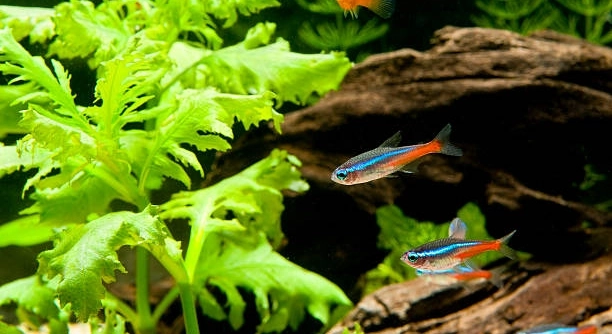
Tetras are popular aquarium fish known for their bright colors and peaceful nature. Sometimes, however, they may start chasing each other, which can be confusing for fish owners. This behavior is a common concern among those caring for these small, social fish.
Tetras chase each other for several reasons, including establishing dominance, breeding behavior, territorial disputes, overcrowding, stress, lack of hiding spaces, and improper water conditions. Understanding these causes helps manage and reduce aggressive interactions effectively.
Identifying the cause behind your tetras’ chasing is essential to maintain a calm and healthy aquarium environment. The explanations ahead will help clarify this behavior and offer practical solutions.
Establishing Dominance Among Tetras
Tetras are social fish that often form a hierarchy within their group. Chasing can be a way for certain fish to assert dominance over others, especially if new fish are introduced or if the group size changes. This behavior helps establish social order but can sometimes look aggressive or stressful. Dominant fish may chase others to show control over territory or access to food. This is more common among males, who tend to be more territorial. Observing their interactions closely can help you understand when chasing is part of normal social behavior or when it becomes a problem that needs intervention. Providing enough space and hiding spots can reduce this tension. Watching your tetras during feeding time and when they settle afterward often reveals patterns of dominance and submission that are typical in healthy groups.
Dominance chasing is a natural part of tetra behavior but should not result in harm or excessive stress for the fish.
Ensuring the tank environment supports peaceful social dynamics is key. Avoid overcrowding and add plants or decorations where fish can retreat. This reduces constant chasing and helps keep the group balanced.
Breeding Behavior and Chasing
During breeding periods, male tetras often chase females as part of courtship. This chasing can be persistent and sometimes aggressive but usually does not cause lasting harm. Males want to display their strength and fitness by following females closely, which may look like harassment. Female tetras may try to avoid males by darting around the tank or hiding. If the chasing becomes too intense, it may stress the fish, so offering plenty of cover is important. Some species of tetras are more prone to this breeding chase than others. Recognizing the signs of breeding behavior can help you differentiate between normal reproductive activity and problematic aggression. The presence of spawning sites or plants where females can lay eggs can also influence how the chasing unfolds. Managing breeding pairs separately may sometimes be necessary to prevent stress in the tank.
Territorial Disputes
Tetras can become territorial, especially in smaller tanks. They chase others to protect their space or favorite spots. This behavior increases when the environment lacks enough room or hiding places.
Territorial chasing is a way for fish to mark boundaries. In tight spaces, dominant tetras guard preferred areas like near filters or plants. This can stress less dominant fish, leading to constant chasing or hiding. Ensuring the tank is large enough and well-decorated reduces this behavior. Plants, rocks, and decorations create natural barriers and safe zones for fish. This breaks up sightlines and lessens direct confrontations. Over time, a well-structured tank helps the tetras settle into peaceful coexistence, minimizing chasing caused by territorial disputes.
Providing at least 20 gallons for a small group and arranging plenty of hiding spots helps maintain harmony. This setup supports natural behavior while limiting aggression caused by territorial instincts.
Overcrowding and Stress
Too many fish in one tank create stress that triggers chasing. Overcrowding reduces space for swimming and hiding, increasing competition. Stress from crowded conditions makes tetras more aggressive and restless.
When a tank is overcrowded, water quality often declines too, adding to stress. Poor water conditions weaken fish, making them more irritable and prone to chase others. Stress can also lower immunity, leading to illness. Proper stocking levels are essential to prevent this cycle. A comfortable population size allows tetras to form natural social groups without constant competition. Monitoring tank size and fish numbers ensures a healthy environment. Frequent water changes and good filtration help maintain clean water, reducing stress and aggressive chasing.
Keeping groups in appropriately sized tanks improves fish welfare. A balanced environment decreases stress-driven chasing and promotes peaceful behavior over time.
Lack of Hiding Spaces
Without enough hiding places, tetras feel exposed and stressed. This can lead to chasing as fish try to escape or assert control. Hiding spots reduce tension by offering refuge.
Adding plants, rocks, or decorations creates safe areas. These spaces help shy or weaker fish avoid constant harassment and calm the group overall.
Improper Water Conditions
Poor water quality causes stress and irritability among tetras. High ammonia, nitrite, or nitrate levels can weaken fish, making them more prone to chasing behavior. Regular testing and maintenance are necessary to keep water safe.
Clean, stable water conditions support healthy fish behavior. A well-filtered tank with regular water changes reduces stress and aggressive interactions. Maintaining the right temperature and pH also helps keep tetras calm and balanced.
Overcrowded Tank
A crowded tank limits swimming space, increasing tension among tetras. Overcrowding often leads to more chasing as fish compete for room.
More space means less competition and calmer interactions. Keeping the number of fish appropriate for the tank size helps reduce chasing and stress.
FAQ
Why are my tetras chasing each other so much?
Tetras chase each other for several reasons, including establishing dominance, breeding, territorial behavior, stress from overcrowding, lack of hiding spaces, and poor water conditions. Each reason causes different types of chasing, and sometimes multiple factors combine to increase aggression. Understanding your tank’s setup and fish behavior helps identify the cause.
Is chasing harmful to tetras?
Chasing is normal to some extent, but constant or aggressive chasing can stress fish and cause injury. Stressed fish may hide excessively, lose color, or become weak. In severe cases, chasing can lead to fin damage or infections. It’s important to monitor the intensity and frequency of chasing to keep your tetras healthy.
How can I reduce chasing behavior in my tank?
To reduce chasing, provide plenty of space, hiding spots, and a balanced group size. Regular water testing and maintenance help keep conditions stable. Adding plants and decorations breaks sightlines and reduces territorial disputes. If breeding causes chasing, separating males and females during that period may be necessary.
Can introducing new fish cause chasing?
Yes, new fish disrupt social order and trigger chasing as the group re-establishes dominance. It’s best to quarantine new tetras and introduce them slowly. Adding new fish at night or rearranging tank decorations before introducing new fish can reduce aggressive behavior.
Does tank size affect chasing?
Smaller tanks increase stress and competition, causing more chasing. Tetras need enough swimming room and territory to feel secure. A minimum of 20 gallons for a small group is recommended to reduce aggressive behavior and maintain peaceful interactions.
Are certain tetra species more aggressive?
Some tetra species, like serpae tetras, tend to be more aggressive and chase more often than peaceful species like neon or cardinal tetras. Knowing your species’ temperament helps set expectations and plan tank mates accordingly.
What role does water quality play in chasing?
Poor water quality causes stress and irritability, increasing chasing. Ammonia, nitrite, or nitrate spikes weaken fish, leading to more aggressive behavior. Regular testing and water changes are crucial to maintaining healthy conditions that keep tetras calm.
Can feeding habits influence chasing?
Feeding time can trigger chasing if food is limited or competition is high. Spreading food evenly and feeding small amounts multiple times a day helps reduce aggressive competition. Ensuring all fish get enough food also lowers chasing caused by hunger.
Should I separate aggressive tetras?
If chasing leads to injury or constant stress, separating aggressive fish may be necessary. Use a separate tank or divider to give weaker fish a break. Over time, adjust tank conditions and group dynamics to reduce aggression and avoid future separations.
How do hiding places affect chasing?
Hiding spots allow fish to escape and reduce stress, lowering chasing behavior. Plants, caves, and decorations create natural refuges where shy or weaker tetras can rest without being pursued.
Does breeding always cause chasing?
Breeding males chase females as part of courtship, but this should not harm the fish. If chasing becomes too intense, providing extra cover or separating breeding pairs can prevent stress and injury.
How often should I check my water parameters?
Weekly testing is ideal to catch any water quality issues early. Keeping ammonia and nitrites at zero and nitrates low prevents stress-related chasing. Consistent maintenance ensures a stable environment that discourages aggression.
Can tank mates influence chasing behavior?
Yes, aggressive or territorial tank mates may increase overall tension, causing tetras to chase more. Choose peaceful species that coexist well with tetras to maintain harmony.
What is the best way to introduce new tetras?
Introduce new fish gradually after quarantine. Float their bag in the tank to adjust temperature, then slowly mix tank water into the bag. Release fish carefully and observe interactions closely to prevent excessive chasing.
Is chasing more common at certain times?
Chasing may increase during feeding, breeding, or when tank conditions change. Being aware of these patterns helps manage and minimize aggressive behavior.
How long does chasing last?
Chasing can last from a few minutes to several days depending on the cause. Dominance fights often settle after a while, but stress or poor conditions may cause ongoing chasing.
Can water temperature affect chasing?
Extreme or fluctuating temperatures stress fish and may increase chasing. Keeping water within the species’ recommended range promotes calm behavior.
What signs show chasing is becoming a problem?
Look for damaged fins, constant hiding, pale color, or lethargy. These signs indicate stress or injury caused by chasing and require prompt action.
Is it normal for tetras to chase at night?
Some chasing may happen during low light as fish settle, but intense chasing at night is unusual and may signal stress or discomfort.
Are males or females more likely to chase?
Males usually chase more, especially during breeding or dominance fights. Females may chase less frequently but can also assert territory if needed.
Tetras chasing each other is a behavior that can happen for several reasons. It is a natural way for them to communicate, establish social order, and even breed. However, when chasing becomes constant or aggressive, it can cause stress and harm to the fish. Knowing why your tetras chase each other is important to keep your aquarium peaceful and healthy. Many factors contribute to this behavior, such as dominance, territory, overcrowding, lack of hiding places, and water conditions. By identifying these causes, you can take the right steps to manage or reduce chasing in your tank.
Creating a suitable environment for your tetras plays a major role in reducing aggressive chasing. Providing enough space is essential, as cramped tanks often lead to tension and fighting. Decorations like plants, rocks, and caves help break up the tank and give fish places to hide or rest. This helps shy or weaker tetras avoid constant chasing and reduces stress. Regular water testing and maintenance also support healthy behavior. Poor water quality weakens fish and increases irritability, so keeping ammonia and nitrate levels low is crucial. Feeding fish properly and maintaining a balanced group size are other important steps to keep chasing under control.
It is also helpful to observe your tetras closely to understand their behavior. Some chasing is normal, especially during breeding or when new fish are introduced. However, if chasing causes injury or constant stress, changes may be needed. Separating aggressive fish or adjusting the tank setup can improve harmony. Being patient and attentive allows you to create a peaceful space where your tetras can thrive. By paying attention to their needs and environment, you ensure your fish remain healthy, calm, and happy in their home.

Hello,
If you enjoy the content that we create, please consider saying a "Thank You!" by leaving a tip.
Every little bit helps us continue crafting quality advice that supports the health, happiness, and well-being of pets around the world, for pets of all shapes, sizes, and species.
We really appreciate the kindness and support that you show us!