
Have you ever noticed your tetra swimming differently or showing new behaviors in the tank? Many fish owners wonder when their tetras are ready to breed and how to tell the signs. Knowing these signs can help you prepare for successful breeding.
Tetras are ready to breed when they show physical maturity, vibrant colors, pairing behavior, spawning site preparation, increased activity, specific body shape changes, and reduced aggression toward each other. These indicators reflect reproductive readiness in healthy tetra fish.
Recognizing these signs helps ensure a smooth breeding process and healthier offspring for your tetra community. Understanding their behavior is key to successful care and breeding.
Physical Maturity and Vibrant Colors
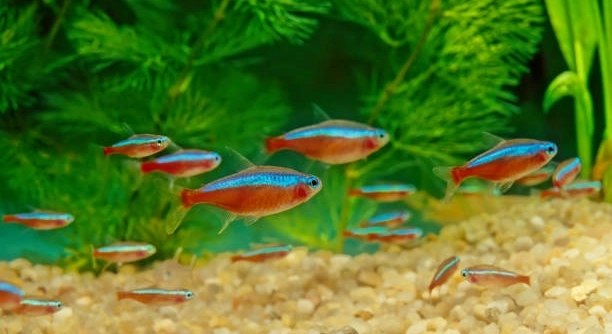
One of the first signs that your tetras are ready to breed is their physical maturity. Mature tetras have reached their full size, usually about 1.5 inches for most common species. At this stage, males tend to show more vibrant and intense colors compared to females. The brightness of their fins and body often increases, signaling health and readiness to reproduce. Females might appear fuller in the belly, especially when carrying eggs. These color changes and size differences are subtle but important indicators. Watching your tetras over time will help you notice when these changes happen. Mature fish also become more active and interact differently with others in the tank, which leads into the next sign of breeding readiness. Recognizing physical maturity early means you can provide the right environment and care to support breeding successfully.
Color intensity and size are reliable signs that breeding time is near for your tetras.
Watching these physical changes carefully can give you a good idea of when to prepare for breeding.
Pairing Behavior and Spawning Site Preparation
Pairing behavior is a key sign that your tetras are ready to breed. You might see certain males and females swimming closely together, sometimes chasing or nudging each other gently. This courtship can last for several days before spawning occurs. Along with this, tetras often prepare a spawning site by choosing a quiet corner or dense plants to lay eggs. They may clean or clear a space on the glass or plants, signaling their intention to spawn there. Providing plenty of fine-leaved plants or spawning mops in the tank will encourage this behavior. This site preparation ensures eggs are protected and gives the parents a place to deposit them. Keeping the water clean and stable during this time increases the chances of successful breeding and healthy fry development. Observing these behaviors will let you know the right moment to support your tetras’ breeding needs.
Increased Activity and Specific Body Shape Changes
When tetras are ready to breed, their activity levels increase noticeably. They swim more energetically and tend to explore their surroundings actively. This change helps them find mates and suitable spawning spots.
This boost in activity often comes with visible changes in body shape. Females develop rounder, fuller bellies as eggs mature inside them. Males may appear slimmer but show a slight thickening near their dorsal fins, which signals readiness to compete for females. These body shape changes are subtle but clear signs of breeding readiness. Watching your fish closely will help you spot these important cues.
The increased movement and shape changes work together, showing that your tetras are preparing for the spawning process. Monitoring these signs will help you decide when to adjust tank conditions for optimal breeding.
Reduced Aggression Toward Each Other
Tetras ready to breed generally show less aggression. Instead of fighting, they engage more in courtship behaviors like chasing and displaying colors. This shift helps pairs bond and prepare for spawning.
When aggression drops, the tank environment becomes calmer, which is important for egg laying and fertilization. Excessive fighting can stress fish and reduce breeding success. Providing plenty of hiding places and maintaining good water quality also helps keep aggression low. When you notice peaceful interactions increasing, it’s a strong indicator that your tetras are entering their breeding phase and you can support them by keeping the environment stable and stress-free.
Signs of Spawning and Egg Laying
Spawning usually happens early in the morning when tetras are most active. Females release eggs on plants or other surfaces while males fertilize them immediately.
After spawning, you may notice tiny eggs attached to leaves or tank glass. The adults often guard the area briefly but might eat some eggs if stressed.
How to Prepare Your Tank for Breeding
To encourage successful breeding, keep the tank clean and maintain stable water conditions. Lowering the water temperature slightly can trigger spawning behavior. Adding fine-leaved plants or spawning mops provides safe places for eggs. Avoid strong water currents and provide gentle filtration to protect delicate eggs. Regular feeding of high-quality food helps condition the fish for breeding and supports healthy fry development after hatching.
When to Separate Fry
Separating fry from adult tetras is important soon after hatching to prevent them from being eaten. Moving fry to a smaller, safe nursery tank ensures better survival and growth.
FAQ
How long does it take for tetras to start breeding?
Tetras usually reach breeding maturity between 4 to 6 months of age, depending on the species and tank conditions. Providing stable water parameters and a good diet helps speed up this process. Once mature, they can begin showing breeding behaviors, but actual spawning may take some additional time as they get comfortable with the environment and partners.
Can I breed different types of tetras together?
It’s best to breed tetras within the same species to ensure healthy offspring. Mixing different species may cause stress, unsuccessful breeding, or hybrid fry that might not thrive. Keeping pairs or groups of one species ensures that breeding behaviors and environmental needs align properly.
What water conditions are best for breeding tetras?
Soft, slightly acidic water with a temperature between 75 and 80°F (24-27°C) encourages breeding. Stable pH around 6.5 to 7.0 and low nitrate levels are important. Frequent small water changes help maintain quality, and avoiding sudden changes reduces stress that can stop breeding.
How do I know if my tetras have spawned successfully?
After spawning, you’ll notice tiny, sticky eggs attached to plants or tank surfaces. Eggs usually hatch within 24 to 36 hours. If adults aren’t eating the eggs and the water is clean, it’s a good sign that spawning was successful. Fry become free-swimming about 3 to 4 days after hatching.
Should I remove the adult tetras after spawning?
Removing adults is recommended if they show signs of eating eggs or stressing the fry. Some tetras are protective, but many will eat eggs or fry if given the chance. Moving fry to a separate nursery tank increases survival rates and allows better control of feeding and water quality.
What should I feed tetra fry?
Tetra fry start with tiny foods like infusoria or commercially available liquid fry food. After a few days, you can introduce finely crushed flakes or baby brine shrimp. Feeding small amounts multiple times a day supports steady growth. Clean water and careful feeding prevent leftover food from fouling the tank.
How often should I change water during breeding?
Changing about 10-20% of the water every day or every other day helps keep water clean without stressing the fish. Use aged or dechlorinated water that matches tank temperature to avoid shock. Clean water reduces fungus risk on eggs and keeps fry healthy.
What if my tetras don’t show breeding signs?
Lack of breeding behavior can be due to poor water quality, wrong temperature, or lack of proper diet. Make sure the tank environment is stable and rich in plants or spawning sites. Improving diet with high-protein foods and slightly adjusting temperature often encourages breeding behavior.
Can tetras breed in a community tank?
Breeding in community tanks is difficult because eggs and fry are often eaten by other fish. Also, aggression and stress can prevent spawning. For best results, breed tetras in a separate tank with suitable hiding spots and low stress to protect eggs and fry.
How long does it take for tetra fry to grow into adults?
Tetra fry typically reach adult size in about 6 to 8 months, depending on species and feeding quality. Good water conditions and regular feeding speed growth. Once mature, they will begin showing breeding behaviors themselves, continuing the cycle.
Breeding tetras can be a rewarding experience when you know what signs to look for and how to prepare. Watching your fish grow and develop these behaviors shows that they are healthy and ready to reproduce. Paying attention to physical changes like size, color, and body shape helps you understand when they are mature. Noticing changes in activity and how they interact with each other also gives clues about breeding readiness. These signs are important because they let you create the best environment for your tetras to breed successfully.
Preparing the tank is just as important as recognizing these signs. Providing clean water, stable temperature, and plenty of plants or spawning sites gives the fish a safe place to lay their eggs. Removing adults after spawning protects the eggs and fry from being eaten, which improves survival rates. Feeding your fish a nutritious diet before and after spawning supports their health and the growth of the fry. Maintaining these conditions requires patience and careful observation but leads to better outcomes for your tetra breeding efforts.
Breeding tetras takes time and attention, but it can deepen your connection to your fish. It is a process that depends on understanding their behavior and needs. By following the signs and giving your tetras the right care, you increase the chance of successful breeding and healthy fry. Watching tiny fry grow into vibrant adult tetras is a satisfying reward for the effort. With practice and care, you can create a thriving aquatic environment for your tetras and enjoy the beauty of their natural life cycle.

Hello,
If you enjoy the content that we create, please consider saying a "Thank You!" by leaving a tip.
Every little bit helps us continue crafting quality advice that supports the health, happiness, and well-being of pets around the world, for pets of all shapes, sizes, and species.
We really appreciate the kindness and support that you show us!