
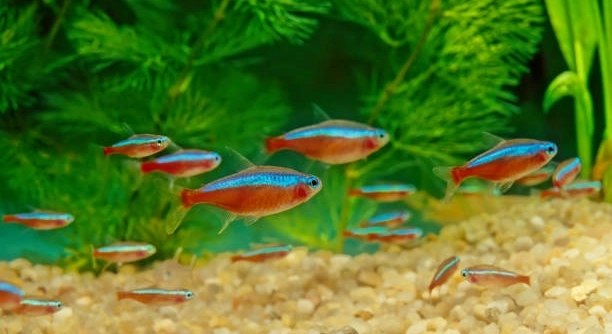
Tetras are small, colorful fish popular in home aquariums. They can become stressed due to changes in water, environment, or tank mates. Managing their stress is important to keep them healthy and vibrant over time.
Stress in tetras often results from poor water quality, sudden changes, overcrowding, or incompatible tank companions. Addressing these factors by maintaining stable conditions and proper care reduces stress and promotes overall well-being in these fish.
Knowing how to calm stressed tetras improves their lifespan and appearance. The following tips will help you create a calm and safe environment for your aquatic pets.
Maintain Stable Water Conditions
Keeping water conditions stable is essential for reducing stress in tetras. Sudden changes in temperature, pH, or ammonia levels can shock the fish, causing them to become anxious or ill. Regular water testing helps monitor these factors. Changing 10-20% of the tank water weekly keeps the environment clean without causing drastic shifts. Use a water conditioner to remove harmful chemicals like chlorine. Avoid overfeeding, as leftover food can pollute the water. Proper filtration is also important to maintain clarity and oxygen levels. By providing a stable and clean habitat, tetras feel secure and less stressed. Watching your fish swim calmly is a sign that conditions are balanced and healthy.
Stable water prevents sudden stress responses in tetras. Regular maintenance ensures a consistent environment where the fish can thrive and stay healthy.
Regularly testing and adjusting the water keeps conditions balanced. This prevents stress caused by fluctuations in temperature, pH, or toxins. Avoid drastic water changes, which can shock the fish. Clean filters and controlled feeding also play a vital role in maintaining water quality. Together, these actions create a safe space where tetras can live peacefully.
Provide Hiding Places and Decorations
Tetras feel safer when they have places to hide. Adding plants, rocks, or small caves gives them spots to retreat if they feel threatened or need rest. These hiding places reduce stress by mimicking their natural habitat. Live plants can also help improve water quality by absorbing nitrates and producing oxygen. Decorations should not overcrowd the tank; there must still be open swimming space. Tetras are schooling fish, so providing areas where the group can stay together or separate if needed helps lower anxiety levels. A well-decorated tank supports both physical and emotional health for your fish.
Keep the Tank at the Right Temperature
Tetras need stable water temperatures between 72°F and 80°F to stay calm and healthy. Sudden changes cause stress and weaken their immune systems.
Using an aquarium heater with a reliable thermostat helps maintain the correct temperature. Avoid placing the tank near windows or vents where temperature can fluctuate. Consistent warmth supports normal behavior and reduces anxiety in tetras.
A sudden drop or rise in temperature disrupts their metabolism and increases susceptibility to disease. Monitor water temperature daily to ensure it stays within the ideal range. A stable environment helps tetras feel safe, encouraging natural swimming and feeding habits.
Avoid Overcrowding the Tank
Overcrowding increases stress and competition for resources among tetras. Each fish needs enough space to swim freely and access food without stress.
A good rule is to allow at least one gallon of water per tetra. Overcrowding leads to poor water quality due to waste buildup, which further stresses the fish. A spacious tank lets tetras form natural social groups and reduces aggressive behavior.
Maintaining an appropriate number of fish also simplifies tank maintenance. It reduces ammonia spikes and makes water changes more effective. When tetras have room to swim and hide, they exhibit calmer, healthier behavior. Keeping your tank balanced in population is key to managing stress effectively.
Feed a Balanced Diet
Feeding tetras a balanced diet helps keep them healthy and reduces stress. Offer high-quality flakes or pellets formulated for tropical fish.
Include occasional treats like frozen or live foods to provide variety and necessary nutrients. Avoid overfeeding, as excess food can pollute the tank and harm fish.
Minimize Loud Noises and Vibrations
Loud noises and vibrations can startle tetras and cause stress. Keep the tank away from heavy foot traffic or loud appliances.
Using a sturdy stand helps reduce vibrations. A calm environment supports natural behavior and keeps fish comfortable.
Regular Tank Cleaning
Cleaning the tank regularly prevents buildup of harmful waste and maintains water quality. Partial water changes every week are essential.
Avoid full cleanings that disrupt beneficial bacteria. Use a gravel vacuum to remove debris from the substrate without disturbing the fish.
Monitor Fish Behavior
Pay close attention to your tetras’ behavior for early signs of stress. Changes like hiding, erratic swimming, or loss of appetite indicate a problem.
Early detection helps you address issues before they worsen, keeping your fish healthy and calm.
FAQ
How can I tell if my tetra is stressed?
Stressed tetras often show changes in behavior such as hiding more than usual, swimming erratically, or staying at the surface or bottom of the tank. They may also lose their color or stop eating. Observing these signs early helps prevent further health problems.
What causes stress in tetras besides water quality?
Besides water quality, stress can come from overcrowding, sudden temperature changes, loud noises near the tank, or aggressive tank mates. Lack of hiding spots and too much light can also make tetras uneasy.
How often should I change the water?
Changing about 10-20% of the tank water every week is ideal. This keeps harmful chemicals and waste from building up while avoiding sudden changes that could shock the fish.
Is it okay to keep tetras with other fish?
Tetras usually do well with peaceful, similar-sized fish. Avoid aggressive or much larger species that may bully or eat them. Compatibility helps reduce stress and keeps the tank peaceful.
Can overfeeding cause stress?
Yes, overfeeding leads to leftover food that pollutes the water, increasing toxins that stress fish. Feed small amounts that they can eat within a few minutes, once or twice daily.
What temperature is best for tetras?
The ideal temperature range is 72°F to 80°F. Keeping the water within this range supports their metabolism and reduces stress. Avoid sudden changes by using a reliable heater and thermometer.
Do tetras need a tank cover?
A tank cover helps prevent sudden movements or noises from disturbing the fish. It also stops them from jumping out. Keeping the environment calm with a cover reduces stress.
How many tetras should be kept together?
Tetras are schooling fish and feel safest in groups of at least six. Smaller groups may become nervous or shy. Larger groups reduce stress by encouraging natural social behavior.
What types of decorations help calm tetras?
Plants, rocks, and caves provide hiding spots and mimic natural environments. Live plants also improve water quality. Avoid overcrowding the tank so tetras still have open swimming space.
Can stress cause diseases in tetras?
Stress weakens the immune system, making tetras more vulnerable to infections like ich or fin rot. Maintaining good water quality and stable conditions helps prevent these illnesses.
How can I reduce noise around the tank?
Place the aquarium in a quiet area away from loud appliances or heavy foot traffic. Use a sturdy stand to minimize vibrations. Reducing noise helps tetras feel secure.
What should I do if a tetra is sick?
Isolate the sick fish if possible to prevent spreading disease. Test water quality and correct any issues. Consult an aquarium specialist or veterinarian for proper treatment based on symptoms.
Are live plants necessary in a tetra tank?
Live plants are not required but highly beneficial. They offer hiding spots, improve water quality, and make the tank more natural and comfortable for tetras.
How long do tetras live in a healthy tank?
With proper care, tetras can live 3 to 5 years or longer. Stable water conditions, good diet, and low stress are key factors for a longer life.
Can I use tap water directly for the tank?
Tap water must be treated with a water conditioner to remove chlorine and heavy metals before adding to the tank. Untreated tap water can harm or stress tetras.
Taking care of tetras means paying close attention to their environment and needs. Stress can affect their health and lifespan, so managing it is very important. Keeping the water clean and stable, maintaining the right temperature, and feeding them properly are basic steps. These help create a comfortable space for tetras to swim and grow. Regular tank maintenance, including partial water changes and cleaning, also plays a big role in reducing stress. When tetras live in balanced conditions, they are less likely to get sick and more likely to show their natural colors and behavior.
Providing hiding places like plants and decorations is another simple way to help calm tetras. These spots give the fish a chance to rest or hide if they feel threatened. Avoid overcrowding the tank because too many fish create competition for food and space. This can cause anxiety and aggression among tetras. Keeping the group size moderate allows them to swim freely and stay together peacefully. Reducing noise and vibrations around the tank is also helpful. A quiet, stable environment keeps tetras from becoming startled or nervous.
Watching your fish carefully is key to knowing when they might be stressed or sick. Changes in swimming, appetite, or appearance often signal problems. Acting early can prevent serious health issues. Overall, taking these steps shows care and helps tetras live healthy, calm lives. With steady care and attention, tetras remain vibrant and enjoyable pets for many years.

Hello,
If you enjoy the content that we create, please consider saying a "Thank You!" by leaving a tip.
Every little bit helps us continue crafting quality advice that supports the health, happiness, and well-being of pets around the world, for pets of all shapes, sizes, and species.
We really appreciate the kindness and support that you show us!