
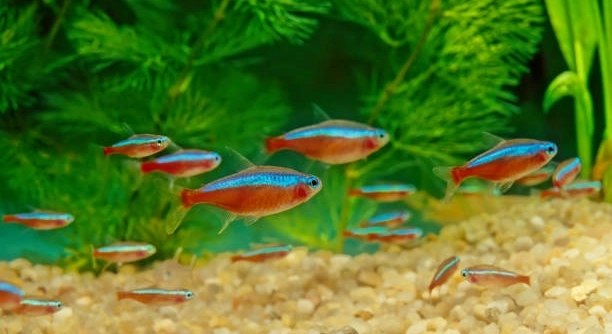
Are your tetras rubbing against plants in their tank more than usual? This behavior can seem puzzling and might make you worry about your fish’s health or environment. Understanding why they do this helps create a better habitat for them.
Tetras often rub against plants due to irritation caused by parasites, poor water quality, or stress. This behavior, known as “flashing,” indicates that the fish are trying to relieve discomfort or remove external irritants from their bodies.
Knowing what causes this rubbing is important to keep your tetras healthy and comfortable. The following details explain common reasons and practical steps to help your fish thrive.
Common Causes of Tetras Rubbing Against Plants
Tetras rubbing against plants is usually a sign of discomfort. One of the main reasons is the presence of parasites, such as ich or external protozoans, which irritate their skin. Poor water quality also plays a big role—high ammonia or nitrate levels can cause skin problems, leading fish to scratch themselves on plants or decorations. Stress from overcrowding, sudden changes in water temperature, or incompatible tank mates can also trigger this behavior. Sometimes, a new environment causes tetras to test their surroundings, and rubbing helps them adjust. It’s important to monitor water parameters regularly and keep the tank clean. A proper filtration system and regular water changes can greatly reduce stress and irritation. Adding plants can help, but if your tetras are constantly rubbing against them, it could mean they need treatment or better care.
Checking your water quality often is key to preventing irritation and keeping your fish healthy.
Proper tank maintenance supports a peaceful and comfortable habitat for your tetras.
How to Treat and Prevent Plant Rubbing Behavior
Treating tetras that rub against plants starts with addressing water quality and parasites. Regularly test the water for ammonia, nitrites, and nitrates, and perform partial water changes to keep levels safe. If parasites are suspected, using appropriate medications can relieve your fish’s discomfort. Isolating affected fish in a quarantine tank during treatment helps prevent spreading. Adjusting tank conditions—like temperature and lighting—to match natural environments can reduce stress. Providing enough hiding spots and avoiding overcrowding will also improve your tetras’ well-being. Keeping the tank clean and stable encourages your fish to focus on swimming and feeding instead of rubbing. Prevention is easier than cure, so maintaining a balanced environment from the start saves a lot of trouble. A steady routine of care and observation will make your aquarium a healthy place for your tetras to thrive.
Signs of Parasites in Your Tetra Tank
Parasites often cause tetras to rub against plants as they try to relieve itching or irritation. Common signs include flashing, lethargy, and small white spots on the body or fins. Watching closely helps catch these issues early.
When parasites infect your tetras, they may become restless and lose appetite. Ich is one of the most common parasites, showing as tiny white spots that resemble salt grains. Gill flukes and other protozoans can cause rapid breathing or gasping at the surface. If left untreated, parasites weaken fish and can lead to death. Prompt action with medication and quarantine is necessary. Observing your tetras’ behavior daily makes a big difference in spotting these symptoms early and acting fast.
Keeping the tank clean, maintaining stable water parameters, and avoiding sudden changes can reduce parasite risks. Introducing new fish without quarantine increases the chance of parasite outbreaks.
The Role of Water Quality in Tetra Health
Poor water quality irritates your tetras, causing them to rub against plants or decorations. Regular testing and maintenance prevent this discomfort. Parameters such as ammonia, nitrite, nitrate, pH, and temperature all influence fish health. Keeping these stable supports a stress-free environment.
Ammonia and nitrites are highly toxic to fish even at low levels. They cause skin and gill damage, making fish try to scratch or rub to ease irritation. Nitrate buildup also stresses fish and weakens their immune system. Temperature fluctuations or inappropriate pH levels can increase stress, making tetras more vulnerable to diseases and parasites. Proper filtration and regular water changes are essential to keep these factors in balance. Monitoring water quality closely creates a healthy habitat, reducing unwanted rubbing behavior and promoting your tetras’ well-being.
Stress and Its Impact on Tetras
Stress can cause tetras to rub against plants as a coping mechanism. Overcrowding, loud noises, or aggressive tank mates increase stress levels.
A stressed tetra may show rapid breathing, loss of appetite, or erratic swimming. Reducing stress improves their overall behavior and health.
Improving Your Tank Environment
Creating a peaceful environment helps reduce rubbing behavior. Provide enough space, hiding spots, and stable water conditions. Avoid sudden changes in temperature or lighting to keep your tetras calm.
Natural Behavior and Exploration
Tetras sometimes rub against plants during normal exploration or to remove dead skin. This behavior is not always a sign of illness.
When to Consult a Veterinarian
If rubbing continues despite good water quality and low stress, seek professional advice to rule out infections or disease.
FAQ
Why are my tetras flashing or rubbing against tank plants?
Flashing or rubbing is usually a sign your tetras are irritated by something on their skin. It could be parasites like ich or external protozoans causing discomfort. Sometimes poor water quality or stress triggers this behavior. It’s a way for the fish to try to relieve itching or remove irritants.
How can I tell if my tetras have parasites?
Look for small white spots, clamped fins, rapid breathing, or lethargy. Parasites often cause flashing and rubbing. Fish may also stop eating or hide more than usual. Early detection is important to prevent serious illness, so watch their behavior and appearance closely.
What steps should I take if I suspect parasites?
Test your water quality first and treat any issues. Then, quarantine infected fish if possible. Use appropriate anti-parasitic medication according to package instructions. Keep water clean and stable during treatment. Removing carbon from filters can help medications work better.
Can poor water quality cause rubbing?
Yes. High ammonia, nitrites, or nitrates irritate fish skin and gills, making tetras rub against plants or decorations to ease discomfort. Regular water testing and partial water changes keep these levels safe and prevent stress.
How often should I test my aquarium water?
Weekly testing is a good routine for a healthy tank. If you notice unusual behavior like rubbing, test more frequently. Testing after water changes or adding new fish is also important to catch any spikes in harmful chemicals early.
Can stress alone cause my tetras to rub against plants?
Stress can cause this behavior. Overcrowding, sudden temperature changes, aggressive tank mates, or loud noises may stress fish. Stress weakens the immune system, making fish more likely to develop skin irritation or disease.
What are simple ways to reduce stress in my tetra tank?
Avoid overcrowding and provide plenty of hiding spots like plants or decorations. Keep lighting and temperature stable, and minimize sudden changes. Choose peaceful tank mates that don’t harass your tetras. Regular maintenance keeps their environment comfortable.
Is it normal for tetras to rub plants during exploration?
Sometimes yes. Tetras explore their environment by swimming close to plants or decorations and might rub gently. This natural behavior helps them remove dead skin or algae from their bodies. Watch to see if rubbing is gentle and occasional.
When should I be concerned about rubbing behavior?
If rubbing is frequent, intense, or paired with other signs like loss of appetite, lethargy, or visible spots, it’s time to act. Persistent rubbing often means irritation or illness and should be addressed quickly to prevent worsening conditions.
How can I prevent rubbing caused by parasites or poor conditions?
Quarantine new fish before adding them to your main tank. Keep the tank clean with regular water changes and good filtration. Monitor water parameters closely and avoid sudden changes. Providing a balanced diet strengthens fish immunity.
Can certain plants cause irritation to tetras?
Generally, most aquarium plants are safe, but rough or sharp-edged plants may cause minor scrapes if fish rub too hard. Make sure plants are suitable for your tank and trimmed to avoid damage.
Is rubbing behavior harmful to tetras?
Mild rubbing is usually not harmful, but constant rubbing can cause skin damage or infections. If left untreated, irritation worsens and may lead to serious health problems.
Should I isolate a rubbing tetra?
If the rubbing is caused by parasites or disease, isolating the affected fish in a quarantine tank helps prevent spreading. It also allows you to treat the fish more effectively without risking other tank mates.
What medications are safe for treating parasites in tetras?
Look for treatments specifically labeled for ich, flukes, or external parasites safe for small tropical fish. Always follow dosing instructions and avoid mixing medications without advice from an expert or vet.
How important is tank size for reducing rubbing behavior?
Providing enough swimming space reduces stress and territorial conflicts. Overcrowded tanks increase stress and the chance of skin irritation. Make sure your tank meets or exceeds recommended sizes for the number of tetras you keep.
Can diet affect rubbing behavior?
A balanced diet supports immune health and skin condition. Poor nutrition weakens fish and makes them more prone to irritation. Offer high-quality flakes, pellets, and occasional live or frozen foods to keep tetras healthy.
Is rubbing more common in certain tetra species?
Some species may rub more due to their natural behavior or sensitivity to water conditions. However, persistent rubbing in any tetra usually signals a problem and should be checked.
What other behaviors might accompany rubbing if fish are sick?
Look for clamped fins, faded colors, hiding, rapid gill movement, or loss of appetite. These signs combined with rubbing often mean the fish need medical attention or improved tank conditions.
How long does it take for tetras to recover after treatment?
Recovery times vary based on the cause and severity. Parasite treatments may take a week or more. Improving water quality often shows quick results. Continued observation helps ensure fish return to normal behavior.
Can rubbing cause infections?
Yes, rubbing can cause small wounds or abrasions that let bacteria or fungi enter, leading to secondary infections. Keeping water clean and treating underlying causes quickly helps prevent this.
What is the best way to monitor tetras for health issues?
Observe them daily during feeding and general tank activity. Look for changes in behavior, appearance, or swimming patterns. Early detection allows quicker response to health problems.
How often should I clean the tank to avoid irritation?
Regular partial water changes, about 25% weekly, and cleaning the substrate and decorations monthly keep water quality high. Avoid deep cleanings that disturb beneficial bacteria.
Can temperature fluctuations cause rubbing behavior?
Sudden or extreme changes in temperature stress tetras, leading to skin irritation and rubbing. Maintain a stable temperature suited for your tetra species.
What temperature is ideal for most tetras?
Most tetras thrive between 72°F and 78°F (22°C–26°C). Staying within this range helps prevent stress and health problems.
Is it okay to use plants as scratching posts for tetras?
Occasional gentle rubbing is fine, but frequent hard rubbing may damage plants and harm fish. Ensure plants are healthy and trimmed to prevent injury.
How can I tell if rubbing is just normal behavior or a problem?
If rubbing is rare and gentle, it’s likely normal. Frequent, vigorous rubbing combined with other symptoms usually means irritation or illness.
What should I do if rubbing is caused by tank mates?
Aggressive or territorial fish can stress tetras, causing rubbing. Consider separating aggressive fish or increasing hiding spots to reduce conflict.
Are there any signs that indicate rubbing is a sign of healing?
Sometimes fish rub to remove dead skin after minor injuries. If rubbing decreases and fish start eating and swimming normally, it may signal healing.
Can poor lighting contribute to rubbing behavior?
Improper lighting can stress fish and affect their health. Providing a natural light cycle and avoiding overly bright or flickering lights helps reduce stress.
When tetras start rubbing against plants, it is usually a sign that something in their environment needs attention. This behavior often points to irritation caused by parasites, poor water quality, or stress. It’s important to observe your fish closely to understand the reason behind this action. By paying attention to their habits and overall health, you can take the right steps to improve their living conditions. Small changes, like improving water quality or reducing stress factors, can make a big difference in how comfortable your tetras feel in their tank.
Maintaining a clean tank with stable water conditions is key to preventing rubbing behavior. Regular water testing and partial water changes keep harmful chemicals like ammonia and nitrites at safe levels. These chemicals irritate fish skin and gills, causing discomfort. Providing enough space and hiding spots also reduces stress among tetras, which lowers the chance of rubbing. If parasites are the cause, early treatment and quarantining affected fish can help control the problem. Keeping a close eye on your tetras and acting quickly when you notice signs of irritation helps protect their health and happiness.
Understanding why your tetras rub against plants allows you to provide better care for them. It is not always a sign of serious illness but should never be ignored. Whether it is natural behavior or a symptom of discomfort, your attention is important. By maintaining good water quality, providing a calm environment, and addressing any health issues promptly, you can create a safe and comfortable home for your tetras. This care ensures they stay healthy and display their natural, active behavior in your aquarium.

Hello,
If you enjoy the content that we create, please consider saying a "Thank You!" by leaving a tip.
Every little bit helps us continue crafting quality advice that supports the health, happiness, and well-being of pets around the world, for pets of all shapes, sizes, and species.
We really appreciate the kindness and support that you show us!