
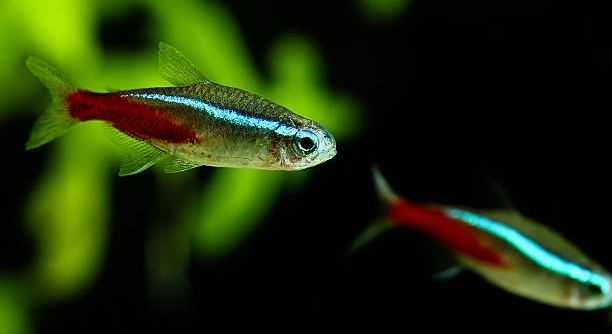
Temperature shock is a common problem in tetra fish that can cause stress and health issues. Sudden changes in water temperature may affect their behavior and overall well-being. Recognizing and addressing this problem is important for any aquarium owner.
Temperature shock in tetra fish occurs when water temperature changes too rapidly, disrupting their natural balance. This shock can weaken their immune system, leading to illness or even death. Stabilizing water temperature and gradual acclimation are essential preventive measures.
Understanding how to fix temperature shock will help protect your tetras and improve their environment. The following tips offer practical steps to maintain a stable and healthy aquarium.
Gradual Temperature Changes
Sudden temperature shifts are the main cause of temperature shock in tetras. It is important to change water temperature slowly, allowing the fish to adjust naturally. When adding new water or doing a water change, avoid pouring water that is much warmer or colder than the tank. Using a thermometer helps monitor the tank temperature carefully. A difference of more than 2 degrees Celsius (3.6 degrees Fahrenheit) can stress the fish. Using a heater or cooler to maintain a consistent temperature will create a safer environment. Small adjustments over several hours or days give the tetras time to adapt without shock. Patience is key to avoiding unnecessary stress and keeping the fish healthy.
To protect tetras, always aim for a stable temperature between 22°C and 28°C (72°F to 82°F). Avoid rapid changes during maintenance.
Regularly checking the tank temperature and controlling it gently can prevent many health problems in tetras. Maintaining consistency supports their natural behavior and reduces stress. A steady environment helps keep the fish active and vibrant, ensuring their well-being over time.
Proper Acclimation of New Fish
Acclimating new tetras slowly is crucial to avoid temperature shock. When introducing new fish, float the sealed bag in the tank for 15 to 20 minutes. This balances the temperature between the bag and the tank water. Afterward, slowly add small amounts of tank water into the bag every 5 minutes for about 30 to 60 minutes. This process allows the fish to get used to the water chemistry and temperature gradually. Avoid pouring the fish directly into the tank from the bag. This step helps prevent sudden temperature changes that can cause shock or illness.
Proper acclimation ensures that new tetras settle in comfortably without stress. It also helps reduce the risk of disease from sudden environmental changes. Taking the time for careful acclimation improves survival rates and supports healthier fish. This process benefits both the fish and the aquarium environment, creating a smoother transition into their new home. Keeping a close eye on new fish during the first few days helps catch any signs of stress early. Making acclimation part of your routine care strengthens your aquarium’s overall health.
Maintain Stable Water Temperature
Keeping a stable water temperature is vital for tetra health. Avoid placing the aquarium near windows, heaters, or air conditioners that cause fluctuations. Consistency helps prevent stress and supports their immune system.
Using a reliable aquarium heater with a thermostat is the best way to maintain a steady temperature. Check the heater regularly to ensure it works properly. Sudden power outages or heater malfunctions can cause rapid temperature changes, so having a backup plan like a battery-operated heater or a thermometer alarm is helpful. Insulating the tank can also protect against external temperature swings. Small, consistent efforts to control temperature reduce the risk of shock and create a healthier environment for your tetras.
Regularly testing the water temperature ensures that the environment stays within the safe range. This habit prevents unnoticed changes that may harm your fish. Consistent care and attention to temperature stability contribute greatly to the long-term health and happiness of your tetras.
Monitor for Signs of Temperature Shock
Temperature shock shows through changes in behavior and appearance. Look for rapid gill movement, lethargy, loss of appetite, or erratic swimming. These symptoms indicate stress from temperature changes.
Observing your fish daily helps catch problems early. Once signs of shock appear, immediately check the water temperature and adjust it gradually to a safer level. Avoid sudden changes in lighting or water chemistry during this period. Providing clean water and proper aeration supports recovery. Keep the tank quiet and limit handling to reduce stress further. Early intervention increases the chances of recovery, preventing serious illness or death. Maintaining a calm and stable environment is key when fish are vulnerable.
Taking preventive steps is better than dealing with shock after it happens. Keeping an eye on your tetras helps maintain their well-being and prevents avoidable health problems.
Use a Quality Aquarium Heater
A good aquarium heater ensures consistent temperature control. Choose one that fits your tank size and has a reliable thermostat. This prevents sudden fluctuations that stress tetras.
Regularly inspect and clean the heater to maintain efficiency. A well-functioning heater supports a stable environment and healthier fish.
Avoid Sudden Water Changes
Drastic water changes can cause temperature swings and stress fish. Change only 10-20% of the water at a time to minimize impact.
Perform water changes slowly and use water that matches the tank temperature closely. This helps keep the environment steady and safe for your tetras.
Provide Proper Tank Insulation
Insulating your aquarium protects it from room temperature changes. Use materials like foam or blankets on the tank’s sides and back.
This simple step reduces temperature fluctuations, especially in rooms with variable temperatures. Insulation supports a stable habitat and keeps your tetras comfortable.
FAQ
How do I know if my tetra is suffering from temperature shock?
Signs of temperature shock include rapid gill movement, clamped fins, lethargy, loss of appetite, and unusual swimming patterns like darting or staying near the surface. The fish may also appear pale or have stressed coloration. Monitoring behavior closely helps catch these symptoms early before serious health issues develop.
Can temperature shock be reversed in tetras?
Yes, mild temperature shock can often be reversed with quick and careful action. Gradually restoring stable water temperature and improving water quality will help the fish recover. Avoid sudden changes and provide a calm environment during recovery. In severe cases, recovery is harder, so prevention is essential.
How often should I check my aquarium’s temperature?
It’s best to check the temperature daily, especially if your tank is in a room with fluctuating temperatures. Consistent monitoring helps catch any heater malfunctions or unexpected changes before they affect your fish.
What temperature is ideal for tetras?
Tetras thrive in temperatures between 22°C and 28°C (72°F to 82°F). Keeping the water within this range provides comfort and supports their immune system. Sudden deviations from this range can cause stress and illness.
Is it safe to use a heater without a thermostat?
Using a heater without a thermostat is risky because it can overheat the tank, causing dangerous temperature spikes. A heater with a reliable thermostat helps maintain a consistent temperature and prevents sudden changes that stress your tetras.
How do I acclimate new tetras to my tank?
Float the sealed bag in the tank water for 15 to 20 minutes to equalize temperature. Then, add small amounts of tank water to the bag every 5 minutes over 30 to 60 minutes. This gradual process helps the fish adjust to new water conditions and temperature safely.
What should I do if my tank temperature suddenly drops?
If the temperature drops suddenly, use a heater to bring it back gradually to the safe range. Avoid rapid heating or cooling to prevent shocking the fish. Insulating the tank and reducing water changes temporarily can help stabilize conditions.
Can temperature shock cause diseases in tetras?
Yes, temperature shock weakens the immune system, making tetras more vulnerable to infections like ich, fungal infections, and bacterial diseases. Maintaining stable temperatures reduces the risk of illness and supports overall health.
Should I turn off the heater during water changes?
It’s better to keep the heater on to maintain temperature stability. Turn off the heater only if you need to clean it or if the water temperature is already too high. Use water that matches the tank temperature during changes to avoid shocking the fish.
How long does it take for a tetra to recover from temperature shock?
Recovery time varies depending on the severity of the shock and the care provided. Mild cases may improve within a few days if conditions are stabilized. Severe cases could take longer or result in permanent damage.
Can I use a thermometer to monitor water temperature?
Yes, using a thermometer is essential. Digital or stick-on thermometers allow easy and accurate monitoring. Regular checks help catch fluctuations early and prevent temperature shock.
Are some tetra species more sensitive to temperature changes?
Yes, some species like neon tetras are more sensitive to temperature changes than others. They require stable, warm water and careful acclimation to avoid stress. Research your specific tetra species for their ideal temperature needs.
Is temperature shock common in home aquariums?
Temperature shock happens more often than many realize. It usually results from poor acclimation, rapid water changes, or faulty equipment. Awareness and consistent care can prevent most cases.
Can temperature shock affect breeding in tetras?
Yes, stress from temperature shock can disrupt breeding behavior and reduce fertility. Maintaining steady temperatures supports healthy reproduction and increases chances of successful spawning.
What equipment helps prevent temperature shock?
A quality heater with a thermostat, a reliable thermometer, and tank insulation help maintain stable temperatures. Backup power sources or alarms for temperature changes can add extra protection.
Is it safe to add new fish during cold or hot weather?
Adding fish during extreme weather increases the risk of temperature shock. Ensure the tank temperature is stable and acclimate new fish slowly, especially during these times. Avoid introducing fish when temperature fluctuations are likely.
Can temperature shock cause permanent damage to tetras?
Severe or repeated temperature shock can cause lasting harm, including weakened organs, slowed growth, or death. Preventive care is the best way to avoid permanent damage.
What water temperature changes are safe for tetras?
Temperature changes should be no more than 1-2°C (about 2-3.6°F) over several hours. Larger or faster changes increase the risk of shock and stress.
Should I quarantine new tetras before adding them to my main tank?
Quarantining new fish for at least two weeks helps monitor for illness and prevents spreading disease. It also allows for careful acclimation to temperature and water conditions before joining established fish.
How does temperature affect tetra behavior?
Temperature influences activity levels, feeding, and social behavior. Too cold or hot water can cause lethargy or aggression. Stable, appropriate temperatures encourage normal, healthy behavior.
Can I rely on room temperature to keep the tank stable?
Room temperature alone is often not enough. Changes in weather, drafts, or heating and cooling systems cause fluctuations. A heater and thermometer are necessary for proper control.
What immediate steps should I take if I suspect temperature shock?
Check the tank temperature and stabilize it slowly within the safe range. Improve aeration and keep the environment calm. Avoid handling the fish and monitor closely for signs of recovery or worsening.
Final thoughts on managing temperature shock in tetras focus on the importance of prevention and careful care. Temperature shock can seriously affect the health and well-being of your fish. Sudden changes in water temperature cause stress, which weakens their immune system and makes them more vulnerable to illness. Taking steps to maintain a stable environment is the best way to protect your tetras. Simple habits like using a reliable heater, checking the temperature regularly, and avoiding rapid water changes help reduce risks. Prevention is easier and less stressful than trying to treat sick fish after shock occurs.
It is important to remember that even small temperature changes can cause problems. Tetras are delicate fish that thrive best when their tank conditions are consistent. Gradual acclimation is necessary when introducing new fish or making changes to the tank water. This process allows tetras to adjust slowly to new conditions, avoiding shock. Using tools like thermometers and thermostats makes it easier to keep water temperature within the ideal range of 22 to 28 degrees Celsius (72 to 82 degrees Fahrenheit). Insulating your tank from external temperature swings can also provide extra protection, especially in rooms with changing climates. These simple steps support your fish’s health over time and reduce stress.
If temperature shock does occur, early recognition and gentle treatment can improve outcomes. Look for signs like lethargy, rapid gill movement, or unusual swimming. Acting quickly to stabilize the temperature and keep the environment calm helps fish recover. Avoid sudden changes during this time and maintain good water quality. Sometimes recovery takes days or weeks, so patience is key. Overall, focusing on stable conditions, regular monitoring, and careful acclimation will keep your tetras healthier and happier. These efforts lead to a more enjoyable aquarium experience and a longer, healthier life for your fish.

Hello,
If you enjoy the content that we create, please consider saying a "Thank You!" by leaving a tip.
Every little bit helps us continue crafting quality advice that supports the health, happiness, and well-being of pets around the world, for pets of all shapes, sizes, and species.
We really appreciate the kindness and support that you show us!