
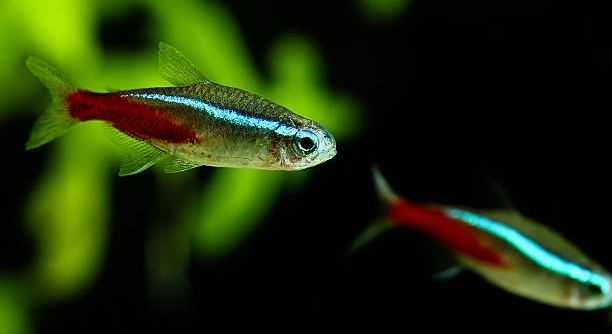
Is your tetra tank looking a little dim and leaving your fish less active than usual? Lighting plays a key role in their daily health. Understanding how much is too little can make a noticeable difference in behavior.
A tetra tank that’s too dark can lead to stress, low activity, and disrupted sleep cycles. Inadequate lighting can also affect their coloring, immune function, and overall well-being. Proper light levels help maintain a healthy and vibrant environment.
Knowing what to watch for will help you make small adjustments that can lead to a much brighter, healthier tank.
Your Tetras Are Less Active Than Usual
Low activity is one of the first signs your tank might be too dark. Tetras are naturally active swimmers and should be moving throughout the day. If your lighting is too dim, they may become sluggish or hide more than usual. This change in behavior is often mistaken for illness, but it’s commonly caused by a poorly lit environment. Dull lighting can confuse their internal clocks and lower their energy. It’s important to monitor how often your tetras swim around, especially during the day, as this can signal whether your lighting needs adjustment.
Check if they only become active during feeding or when you turn on a room light. That’s often a sign your tank light isn’t strong enough.
Adding a reliable light source that mimics natural daylight can restore their energy levels. Try keeping a consistent lighting schedule—about 10 to 12 hours of light a day—and avoid placing the tank in dark corners of your home.
Their Colors Look Washed Out
Tetras display their most vibrant colors when lighting conditions are ideal. Dim tanks can mute their natural glow.
A lack of proper lighting affects pigmentation and can make even healthy tetras look dull. Light helps them maintain their natural coloring and supports stress regulation. Without it, they might blend in with the shadows, making it harder to notice changes in health. Most tetra species thrive with full-spectrum lighting that mimics daylight. If their color fades gradually, it could be from living in a tank that’s too dark for their needs. Consistent and balanced lighting also enhances how their scales reflect light, which makes their appearance more vivid. When you introduce proper lighting, color improvement can happen in just a few days. Position your light across the entire tank and check for even coverage, especially in larger setups. This simple change can help them look their best while supporting better overall health.
They’re Hiding More Than Usual
Tetras tend to hide more when their tank is too dark. While it’s normal for them to occasionally retreat into plants or décor, constant hiding can signal discomfort. Insufficient light may make them feel insecure or disoriented, leading them to stay hidden throughout the day.
If your tetras are constantly tucked away behind decorations or under leaves, they might not feel safe enough to swim freely. A dim tank can resemble nighttime conditions, which encourages hiding and rest. This behavior might also limit their feeding time, leading to other health issues. Observe whether their hiding becomes more frequent when the tank lights are off or too dim. Introducing proper lighting not only helps with visibility but also builds confidence in your fish. Make sure the lighting reaches all corners of the tank so they don’t rely on shadows for shelter. Balance brightness with hiding spots for comfort.
Once better lighting is in place, give them time to adjust. You’ll likely see them start exploring again within a few days. Keep the lights on for a consistent schedule and avoid turning them on and off randomly, as this can cause stress. Stable light patterns help reduce hiding and restore natural daily rhythms in your tetra tank.
Feeding Times Are Less Active
Feeding time is usually a lively moment, but poor lighting can make your tetras ignore food. If they’re hesitant to swim up when it’s time to eat, it might be because they can’t see properly. Dim conditions make it harder for them to locate food.
When the tank is too dark, your tetras might not notice the food sinking and could miss out entirely. They rely on light to help them identify movement, including food particles in the water. In low-light conditions, feeding becomes more difficult, especially for timid fish who already hesitate to swim near the surface. Over time, this may lead to uneven nutrition and poor health. If you notice leftover food or delayed feeding behavior, consider whether the tank is lit well enough during mealtime. A brighter, steady light during feeding helps them respond quickly and ensures they get what they need without confusion or stress.
Algae Growth Is Out of Control
Low light can disrupt your tank’s balance and actually encourage algae growth in some cases. Certain algae types thrive in dim, stagnant environments. When lighting is weak and inconsistent, it can make it harder to control the conditions that normally keep algae in check.
You might notice patches of algae building up even with regular cleanings. This could be your tank’s way of reacting to poor light balance. While too much light also causes algae, not enough light at the right time can lead to similar problems, especially in tanks with no live plants to compete for nutrients.
Your Plants Aren’t Thriving
Live plants need light to survive, and dim conditions can cause yellowing leaves, slow growth, or total die-off. When plants begin to struggle, they stop filtering the water effectively, which impacts the health of your entire tank. In a low-light setup, many common aquarium plants can’t perform photosynthesis properly, leading to poor oxygen levels and water quality. Once plant health begins to decline, it affects everything else in the ecosystem. If you see your plants thinning out or their leaves turning pale, that’s a sign the lighting isn’t strong enough. Try switching to full-spectrum LED lights designed for planted tanks to restore their growth.
You Can Barely See Into the Tank
A dark tank makes it hard to enjoy watching your fish. If it feels like you’re squinting to see them, your lighting setup likely needs improvement. A brighter tank helps both you and your tetras feel more connected to the environment.
How do I know if my tetra tank lighting is too dark?
Signs like less active fish, faded colors, and increased hiding often indicate insufficient lighting. You might also notice plants struggling or algae growing unevenly. If you find it hard to see inside the tank, that’s another clue. Tetras need a well-lit environment to thrive, so pay attention to these behaviors as simple signals that your lighting may need adjustment.
Can low light affect the health of my tetras?
Yes, it can. Low light disrupts their natural daily rhythms, which can cause stress and weaken their immune system. Tetras rely on light cues to regulate sleep and activity cycles. Without enough light, they may become lethargic or prone to illness. Healthy lighting also supports proper color development and overall vitality.
What kind of lighting should I use for my tetra tank?
Full-spectrum LED lights are a popular choice because they mimic natural daylight well. Aim for a light source that covers the entire tank evenly and provides about 10 to 12 hours of light daily. Avoid overly harsh or flickering lights, which can stress fish. Choosing adjustable lights lets you control brightness and better match your tank’s needs.
Is it okay to keep the tank light on all day?
No, continuous lighting isn’t good. Fish and plants need a consistent light-dark cycle to stay healthy. About 10 to 12 hours of light followed by darkness helps maintain their natural rhythms. Leaving the light on too long can promote algae growth and stress your tetras.
How can I improve lighting if my tank is in a dark room?
If natural light is limited, add artificial lighting that suits your tank size. Full-spectrum LED fixtures are efficient and provide good coverage. You can also relocate the tank to a brighter spot if possible, but avoid direct sunlight which can cause temperature spikes and algae problems.
Can too much light harm my tetras?
Yes, too much light can cause stress and encourage excessive algae growth. Bright, constant light may make fish anxious and hide more often. Use a timer to keep lighting consistent and avoid sudden changes. Balancing light levels is key to a healthy tank environment.
Why do my tetras hide more when the lights are dim?
Tetras feel safer in well-lit areas where they can see their surroundings. Dim lighting mimics nighttime or unsafe conditions, prompting them to hide. Proper lighting gives them confidence to swim freely and reduces stress-related hiding.
How quickly will my tetras improve after adjusting the lighting?
You can see changes in activity and color within a few days of improving the light. Plants may take longer, usually a few weeks, to fully recover. Be patient, keep the lighting steady, and watch for gradual positive changes in behavior and appearance.
Are there specific plants that do better in low light?
Some plants like Java fern and Anubias tolerate lower light better than others, but they still need some light to stay healthy. If your tank is very dim, consider these species to avoid losing plants that require more light.
Does tank size affect how much lighting I need?
Yes, larger tanks need stronger or multiple light sources to ensure even coverage. Light intensity decreases with distance, so deeper or wider tanks require brighter or additional fixtures to keep all areas well-lit.
How can I reduce algae growth while improving lighting?
Maintain a balanced light schedule and avoid overfeeding. Live plants can outcompete algae for nutrients, so keeping healthy plants helps control algae naturally. Regular cleaning and water changes also reduce algae buildup.
Is natural sunlight good for a tetra tank?
Direct sunlight is not recommended because it can cause temperature fluctuations and promote algae. Indirect natural light can help but should not be the main light source. Artificial full-spectrum lighting is more reliable and safer for tank stability.
What is the best way to set a lighting schedule?
Using a timer is the simplest and most consistent method. Set lights to turn on and off automatically for 10 to 12 hours daily. This consistency supports fish and plant health and reduces stress caused by irregular lighting.
Can I use colored lights in my tetra tank?
Colored lights can look attractive but don’t provide the full spectrum fish and plants need. It’s best to use white or full-spectrum lighting for the main source. If you want colored lights, use them sparingly and not as the sole light source.
What should I do if my tetras show no improvement after changing the lighting?
If lighting is adequate but problems persist, check other factors like water quality, temperature, and diet. Poor water conditions or illness may be the cause. Lighting is just one part of tank health, so consider a full tank assessment if needed.
Proper lighting is one of the most important factors in maintaining a healthy tetra tank. It affects not only the appearance of your fish but also their behavior and overall well-being. When the tank is too dark, tetras may become less active, hide more often, and lose their vibrant colors. Plants may struggle to grow, and algae problems can develop. All of these signs point to the need for better lighting. Choosing the right light and setting a consistent schedule helps create an environment where tetras feel comfortable and thrive.
It is important to remember that lighting should mimic natural conditions as closely as possible. Tetras are used to a cycle of daylight and darkness, so keeping the lights on for about 10 to 12 hours a day is ideal. This schedule helps regulate their internal clocks and supports healthy activity levels. Using full-spectrum LED lights designed for aquarium use is usually the best choice because they provide the right balance of brightness and color. Avoiding harsh or flickering lights will reduce stress and keep your fish calm. Regularly checking and adjusting the lighting based on how your tetras respond will ensure you are meeting their needs.
Maintaining proper lighting goes beyond just switching on a light bulb. It involves observing your fish and plants, noticing changes in behavior or appearance, and adjusting the environment accordingly. If your tetras seem sluggish, hide a lot, or look dull, it’s time to evaluate the tank’s lighting. At the same time, avoid keeping the tank in total darkness or relying on natural sunlight alone. Both can cause issues. By creating a well-lit and balanced habitat, you help your tetras live healthier, more active lives, while also making your tank a more enjoyable space to watch. Small improvements in lighting can make a big difference for the health of your fish and the beauty of your aquarium.

Hello,
If you enjoy the content that we create, please consider saying a "Thank You!" by leaving a tip.
Every little bit helps us continue crafting quality advice that supports the health, happiness, and well-being of pets around the world, for pets of all shapes, sizes, and species.
We really appreciate the kindness and support that you show us!