
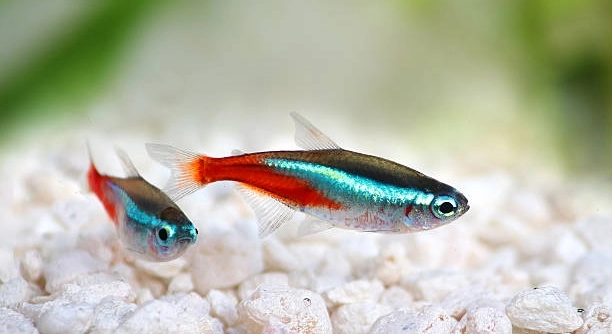
Many aquarium owners enjoy keeping tetras for their lively colors and active swimming. Sometimes, tetras suddenly dart around the tank in quick bursts. This behavior can be worrying or confusing for those who want their fish to stay calm and healthy.
Darting behavior in tetras is usually caused by environmental stress, water quality issues, sudden changes in lighting, or the presence of tankmates that frighten them. Understanding these causes helps in creating a stable and comfortable habitat for the fish.
Recognizing what makes your tetra dart can improve their wellbeing and make your aquarium a more peaceful place for everyone.
Poor Water Quality
Poor water quality is a common reason why tetras start darting around. When ammonia, nitrite, or nitrate levels rise, it stresses the fish and makes them uncomfortable. Dirty water can also carry harmful bacteria and toxins that irritate their gills and skin. Tetras are sensitive to changes in pH and hardness, so even small shifts can cause distress. Many beginners don’t realize how quickly water conditions can change, especially in small tanks or when overfeeding. Regular water testing and partial water changes are essential to keep the tank healthy. A clean environment helps reduce stress and keeps tetras swimming calmly. Ignoring water quality problems often leads to more aggressive behaviors like darting or hiding. It’s important to use proper filtration and maintain a consistent schedule for tank upkeep. Checking water parameters weekly can prevent these issues before they start.
Testing water regularly and keeping it clean greatly lowers stress and erratic swimming in tetras.
Maintaining good water quality means doing regular water tests to check ammonia, nitrite, nitrate, pH, and hardness. When levels are off, a partial water change of 20-30% helps bring conditions back to normal. Using a reliable water conditioner removes chlorine and chloramine from tap water. Avoid overfeeding since leftover food rots and pollutes the tank. Cleaning the gravel and filter also helps remove debris and waste buildup. Keeping the tank stable reduces stress on your fish, which lowers darting behavior. If water conditions stay poor, fish may become sick and more prone to disease. With clean water, tetras feel safe and swim naturally, making your aquarium a peaceful place to watch.
Sudden Changes in Lighting
Tetras can react strongly to sudden changes in lighting, which can cause them to dart quickly. Bright lights turning on or off unexpectedly startle them and trigger a flight response.
Fish depend on consistent light cycles to feel secure. Sudden flashes or flickering can mimic threats, making tetras jump around. It’s best to use a timer to keep the lighting steady, providing gradual transitions during sunrise and sunset times. This mimics natural environments and helps reduce stress. Avoid shining a flashlight or direct light into the tank suddenly, as this can also scare them. Overly bright lights can cause discomfort, so dimming or diffusing the light may help. Tetras feel safer with a calm, predictable environment where their senses aren’t overwhelmed. Keeping the lighting stable encourages calmer behavior and less darting. If lighting is the issue, you’ll notice the darting happens mostly when the lights change or flicker.
Presence of Aggressive Tankmates
Aggressive fish in the tank often cause tetras to dart as they try to avoid confrontation. Tetras are small and peaceful, so they easily get scared by more dominant species.
If your tank has aggressive fish, tetras will constantly swim quickly to escape. This behavior stresses them and may lead to injury or illness. Aggressive tankmates can chase or nip at tetras, making them feel unsafe. Providing plenty of hiding spots can help, but often the best solution is separating aggressive species into different tanks. Monitoring fish interactions closely ensures tetras have a calm environment where they don’t need to flee constantly.
Keeping peaceful species together helps tetras swim calmly and reduces darting caused by fear.
Stress From Overcrowding
Too many fish in one tank causes stress and triggers darting behavior in tetras. Overcrowding reduces swimming space and increases competition for oxygen and food. Fish feel trapped and anxious, leading to frantic movements.
An overcrowded tank can also quickly degrade water quality, which adds more stress. Each fish needs enough room to swim and hide when needed. Tetras especially appreciate open spaces mixed with plants or decorations for cover. If your tank is too full, consider moving some fish or upgrading to a larger aquarium. Keeping the population balanced creates a healthier, more peaceful environment. Fish can then swim naturally without constant stress or fear. Proper stocking levels support the wellbeing and calm behavior of tetras in your tank.
Sudden Movements Near the Tank
Tetras are easily startled by sudden movements outside the tank. Quick motions from people or pets nearby can cause them to dart.
Keeping activity around the tank calm and steady helps tetras feel safe. Avoid tapping or banging on the glass, which also scares them.
Inadequate Hiding Places
Tetras need enough plants and decorations to hide when they feel threatened. Without safe spots, they swim nervously and dart frequently.
Providing natural hiding spaces helps reduce stress. Plants, rocks, and caves create a secure environment where tetras can rest and feel protected.
Water Temperature Fluctuations
Sudden changes in water temperature disturb tetras and make them swim erratically. Consistent temperature is key for their comfort.
Use a reliable heater and thermometer to keep the water steady. Avoid placing the tank near drafts or direct sunlight to prevent temperature swings.
FAQ
Why do my tetras keep darting even though the water looks clean?
Even if the water looks clear, harmful chemicals like ammonia or nitrites might still be present in small amounts that stress your tetras. Regular testing with aquarium test kits is important because invisible toxins affect their behavior. Other causes may include sudden changes in temperature or lighting that you might not notice immediately.
How can I tell if darting is caused by stress or illness?
Stress-related darting usually happens when the environment changes or there are new tankmates. Illness may cause darting along with other signs like clamped fins, loss of appetite, or unusual spots on the fish. Watch closely for these symptoms and consider quarantine or treatment if illness seems likely.
Can overcrowding make tetras dart more often?
Yes, overcrowding creates competition for space and resources. When too many fish share a tank, tetras feel trapped and stressed, leading to frequent darting. Providing enough space, hiding places, and controlling the number of fish helps reduce this behavior.
Does lighting really affect how tetras behave?
Tetras prefer stable and gentle lighting. Sudden bright lights or flickering can frighten them, causing quick bursts of swimming. Using a timer to mimic natural day and night cycles can calm them down and reduce darting.
Are aggressive tankmates always the reason for darting?
Not always, but aggressive fish often trigger this behavior in tetras. Even non-aggressive fish can cause stress if the tank is too small or overcrowded. Observing how your fish interact will help determine if aggression is the cause.
What can I do to help my tetras stop darting?
Check water quality first and keep parameters stable. Ensure the tank isn’t overcrowded and remove any aggressive fish if possible. Add plants and decorations for hiding spots, maintain steady lighting, and avoid sudden movements around the tank. These changes help tetras feel secure.
Is darting harmful to tetras?
Occasional darting is normal as a reaction to stimuli, but constant darting can cause stress and injury. Over time, stress weakens their immune system, making them more prone to diseases. Creating a calm environment lowers the risk of harm.
How often should I test my aquarium water?
Testing weekly is ideal to catch any issues early. Pay special attention after cleaning the tank, adding new fish, or changing water. Keeping track of water parameters helps maintain a healthy environment and prevents stress-induced behaviors like darting.
Can sudden noise cause darting in tetras?
Yes, loud noises or vibrations near the tank can scare tetras, causing quick swimming responses. Keeping the tank in a quiet area away from heavy foot traffic, speakers, or household appliances helps reduce sudden stress.
Does diet affect tetra behavior?
A poor diet can weaken tetras, making them more sensitive to stress. Feeding a balanced, high-quality diet supports their health and reduces erratic behavior. Avoid overfeeding to prevent water quality problems that lead to darting.
Final Thoughts
Tetras are lively and beautiful fish that can bring a lot of joy to an aquarium. However, their darting behavior can be worrying if it happens often. Understanding why tetras dart helps you create a better environment for them. Many causes are related to their surroundings, like water quality, lighting, or the other fish in the tank. Taking time to check these factors makes a big difference in how comfortable and calm your tetras feel.
Water quality is one of the most important things to watch. Even if the water looks clear, invisible chemicals can build up and stress your fish. Testing the water regularly and doing partial water changes keep these levels safe. It also helps to avoid overfeeding and clean the tank properly. When water conditions are stable and healthy, tetras will spend less time darting and more time swimming naturally. Keeping the tank clean is a simple way to support your fish’s health.
Other things like sudden lighting changes or too many fish in a small tank can cause stress too. Tetras need a peaceful space with hiding spots like plants or decorations to feel safe. Also, avoid placing aggressive fish with them, since that causes fear and darting. When you control these factors, your tetras will be less nervous and more relaxed. Taking small steps to improve their environment makes your aquarium more enjoyable for both you and your fish.

Hello,
If you enjoy the content that we create, please consider saying a "Thank You!" by leaving a tip.
Every little bit helps us continue crafting quality advice that supports the health, happiness, and well-being of pets around the world, for pets of all shapes, sizes, and species.
We really appreciate the kindness and support that you show us!