
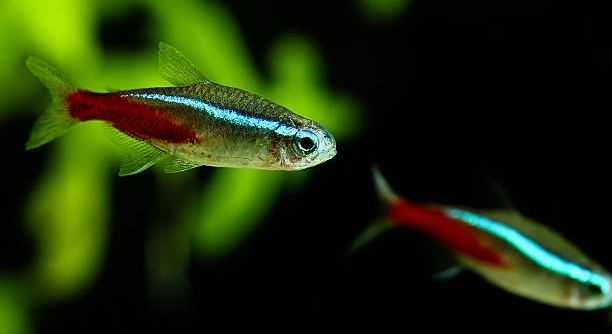
Keeping a small tetra tank can be a rewarding experience, but it often comes with unique challenges. Many aquarium owners struggle with maintaining the right conditions for their fish to thrive in limited space. Small tanks require careful attention to water quality, decoration, and fish compatibility to work well.
Making a small tetra tank successful involves seven key adjustments that optimize water parameters, improve filtration, control feeding habits, and enhance the environment. These changes collectively promote fish health and reduce common problems like stress and poor water quality.
By applying these simple steps, your small tetra tank will become a healthier and more balanced habitat. This article will guide you through practical solutions for a better aquarium experience.
Choosing the Right Tank Size and Location
Selecting the proper tank size and placing it in the right spot are the first steps for a small tetra tank to thrive. Even though small tanks are compact, it’s important to avoid overcrowding. A 5 to 10-gallon tank is usually sufficient for a small group of tetras. Placing the tank away from direct sunlight and drafts helps keep the water temperature stable. Sudden temperature changes can stress the fish and lead to health problems. Also, ensure the tank is on a sturdy, level surface to avoid accidents. The tank’s location should allow easy access for maintenance without disturbing the fish. Proper placement reduces algae growth caused by excess light and prevents unnecessary noise or vibrations that could scare the tetras.
Positioning the tank well and choosing the right size creates a calm, stable environment that supports your fish’s health and reduces stress. This foundation is crucial for all further care steps.
Keeping the tank steady and protected from environmental changes helps maintain water quality. A consistent temperature reduces stress, which can prevent common diseases. These factors set the stage for a balanced aquarium where your tetras can swim freely and stay active.
Maintaining Water Quality with Regular Testing
Water quality is key for a healthy tetra tank, especially when the volume is small and changes happen quickly. Testing water parameters like ammonia, nitrite, nitrate, and pH helps keep the environment safe. Ammonia and nitrite should always be at zero, while nitrate needs to stay low. Regular water changes—about 20% weekly—help remove waste and keep toxin levels down. Using a reliable water conditioner removes chlorine and chloramine from tap water, making it safe for fish. Avoid overfeeding, as leftover food can pollute the water. Keeping filters clean but not over-cleaned maintains beneficial bacteria essential for breaking down waste.
Testing water regularly allows early detection of harmful changes before they affect your fish. Consistent monitoring helps maintain a healthy balance, reducing stress and disease risk.
Water tests are simple and affordable with test kits. Monitoring these values is the best way to track tank health. Maintaining stable water conditions ensures your tetras remain vibrant and active. With regular attention, your small tank can support a thriving aquatic environment.
Proper Filtration for a Small Tetra Tank
Filtration is essential for keeping your tank water clean and safe. A good filter removes waste and helps maintain stable water conditions.
Choosing a filter that suits your tank size is important. For small tanks, a sponge filter or a gentle hang-on-back filter works well. These filters provide mechanical and biological filtration without creating strong currents that stress tetras. Regularly cleaning the filter media keeps the beneficial bacteria healthy but avoid washing it with tap water to preserve the bacteria. Proper filtration prevents harmful toxin buildup, which helps fish stay healthy and active.
The right filter balances water flow and cleaning efficiency. Overpowering filters can disturb tetras, while weak filters fail to keep the water clean. Keeping a steady, gentle water movement creates a better environment for your fish and supports beneficial bacteria growth.
Feeding Your Tetras Correctly
Feeding small tetras requires attention to quantity and type of food. Overfeeding can quickly pollute a small tank.
Feed your tetras small amounts once or twice daily, only what they can eat in two minutes. Tetras thrive on a varied diet including high-quality flakes, frozen or live foods like brine shrimp, and occasional vegetable matter. This variety ensures proper nutrition and keeps fish active. Remove any uneaten food to avoid water contamination. Avoid overfeeding, which leads to poor water quality and health issues.
Proper feeding supports fish health and reduces maintenance needs. Balanced nutrition enhances color and vitality in tetras. Consistent, moderate feeding helps keep the tank environment stable and comfortable for your fish.
Choosing the Right Plants and Decorations
Live plants improve water quality by absorbing nitrates and providing hiding spots for tetras. Decorations should be smooth and free of sharp edges to prevent injury.
Avoid overcrowding the tank with decorations. Leave enough open space for swimming and easy cleaning.
Managing Temperature and Lighting
Tetras do best in stable temperatures between 72°F and 78°F. Using a reliable heater with a thermostat helps maintain this range. Sudden temperature changes stress fish and weaken their immune systems. Lighting should mimic a natural day-night cycle, ideally around 8 to 10 hours per day, to support plant growth and fish health without encouraging excessive algae.
Controlling Algae Growth
Regular tank maintenance, including partial water changes and limiting light exposure, helps control algae. Avoid overfeeding, as leftover food fuels algae growth.
FAQ
How many tetras can I keep in a small tank?
For a small tank between 5 to 10 gallons, it’s best to keep about 3 to 6 tetras. Overcrowding can lead to poor water quality and stress for the fish. Tetras prefer to swim in small groups, so a minimum of three is recommended for their social behavior.
What is the best filter type for a small tetra tank?
Sponge filters and gentle hang-on-back filters work best. They provide good biological filtration without creating strong currents that can stress tetras. Regular cleaning of the filter media keeps the bacteria healthy, but avoid washing it with tap water to preserve these beneficial bacteria.
How often should I change the water?
Changing about 20% of the water every week helps keep toxin levels low and maintains good water quality. Smaller tanks tend to accumulate waste quickly, so frequent water changes are important to keep tetras healthy.
Can I use tap water directly for the tank?
Tap water usually contains chlorine or chloramine, which are harmful to fish. Always treat tap water with a water conditioner before adding it to the tank. This removes harmful chemicals and makes the water safe for your tetras.
What should I feed my tetras?
Feed your tetras a mix of high-quality flakes, frozen or live foods like brine shrimp, and some vegetable matter occasionally. Feeding small amounts once or twice a day, only what they can eat in two minutes, prevents overfeeding and water pollution.
How do I prevent algae from growing in my tank?
Control algae by limiting light exposure to 8–10 hours per day and avoiding overfeeding. Regular water changes and removing uneaten food also reduce algae growth. Live plants can help by competing with algae for nutrients.
What temperature is best for tetras?
Keep the water temperature between 72°F and 78°F. Use a heater with a thermostat to maintain this range and avoid sudden temperature changes that can stress your fish.
Are live plants necessary in a small tetra tank?
While not absolutely necessary, live plants improve water quality by absorbing nitrates and provide hiding spots, which reduce stress for tetras. They also make the tank look more natural and appealing.
How often should I clean the tank?
Besides weekly water changes, clean the tank glass, substrate, and decorations every few weeks to prevent buildup of algae and debris. Be gentle to avoid disturbing beneficial bacteria.
Why do my tetras seem stressed or hide a lot?
Stress can result from poor water quality, overcrowding, sudden temperature changes, or aggressive tank mates. Ensuring good water conditions, proper tank size, and peaceful companions will help tetras feel safe and active.
Can I mix tetras with other fish in a small tank?
Tetras are peaceful but small tanks limit space for multiple species. If mixing, choose other small, calm fish that thrive in similar water conditions. Avoid aggressive or large fish that may stress or harm your tetras.
How long do tetras typically live?
With good care, tetras can live 3 to 5 years. Maintaining clean water, proper diet, and a stress-free environment helps maximize their lifespan.
What signs show my tetras are healthy?
Active swimming, bright colors, clear eyes, and good appetite are all signs of healthy tetras. Dull colors, lethargy, or unusual behavior may indicate health problems requiring attention.
Is it okay to keep tetras in a bare tank?
While possible, a bare tank lacks hiding places and environmental enrichment. Adding plants and smooth decorations helps reduce stress and keeps tetras feeling secure.
How do I handle water parameter changes?
Introduce changes gradually to avoid shocking your fish. Sudden shifts in pH, temperature, or hardness can cause stress and illness. Regular testing helps you keep track and respond before problems arise.
Final Thoughts
Maintaining a small tetra tank can be a simple and rewarding task when the right adjustments are made. These tanks require careful attention because their smaller size means conditions can change quickly. Regular testing of water quality, proper filtration, and controlled feeding are important to keep the environment stable and safe for your fish. Following these basic steps helps create a healthy space where tetras can swim comfortably and live longer.
Choosing the right tank size and location is also crucial. A small tank should not be overcrowded, and it needs to be placed where temperature and lighting are steady. Live plants and smooth decorations add value by providing hiding places and improving water quality. These details may seem small, but they make a big difference in reducing stress and promoting natural behavior among your tetras.
By taking time to understand your tank’s needs and making simple changes, you can enjoy watching your tetras thrive. While small tanks come with their own challenges, the right care makes them just as successful as larger setups. Consistency in maintenance, feeding, and monitoring water conditions will help your small tetra tank remain a balanced and pleasant environment. With attention and patience, this small ecosystem will flourish and bring quiet satisfaction.

Hello,
If you enjoy the content that we create, please consider saying a "Thank You!" by leaving a tip.
Every little bit helps us continue crafting quality advice that supports the health, happiness, and well-being of pets around the world, for pets of all shapes, sizes, and species.
We really appreciate the kindness and support that you show us!