
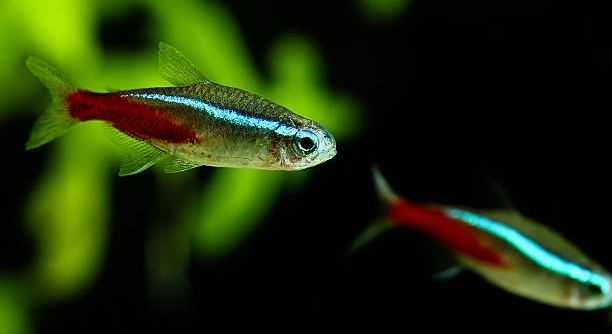
Have you ever set up a beautiful tank only to wonder if your tetras actually enjoy their filter system?
Tetras generally show contentment with their filter if they swim freely, maintain strong coloration, and avoid hiding. Signs of stress, such as erratic swimming or clamped fins, may suggest the current is too strong or uncomfortable.
Learning to recognize the subtle clues your fish give can help you create a more peaceful and suitable tank environment.
Signs Your Tetra Likes the Filter
When a tetra is comfortable with its filter, it will swim calmly and actively throughout the tank. It won’t stick to just one corner or hide constantly. Tetras that like their environment usually display bright, vibrant colors, especially under good lighting. They explore all areas of the tank, even swimming near the filter intake or output without showing fear or stress. Another sign is consistent schooling behavior—tetras like to swim together, and a peaceful school usually means the current is just right. You might also notice your fish eating well and showing normal breathing patterns. Their fins remain open rather than clamped, which shows comfort. If your tetra rests occasionally but stays active most of the day, that’s a healthy sign. A good filter creates steady water flow without being too harsh, and your tetras will show appreciation by behaving normally and thriving in their surroundings.
Look for clear signs like open fins, smooth swimming, and active feeding. These behaviors often mean the filter setup works well for your tetra.
When a tetra is stressed by its filter, it will often avoid areas near the current. You might notice it hiding more than usual or swimming in a jerky, erratic way. Its colors can fade, and it may breathe rapidly or keep its fins tight. All these changes are ways the fish responds to water flow that feels too strong or uncomfortable. Filters that create strong suction or fast-moving currents can push small tetras around, causing them to struggle. Watching how your tetra swims near the filter output can tell you a lot. If it avoids that area or struggles to move through the current, you may need to adjust the flow rate or use a sponge to soften it. A happy tetra should be able to move around freely without effort. Small adjustments can make a big difference in their daily comfort and health.
When the Filter Might Be Too Strong
If your tetras are always hiding or resting near the bottom, the filter flow might be too strong for them to handle.
Tetras are small and lightweight, so they can easily be pushed around by a strong current. When the flow is too intense, you may see them struggling to swim forward or staying low in the tank where the current is weaker. They might avoid open areas or spend more time behind decorations or plants for shelter. While a filter is essential for water quality, the water movement it creates needs to match the fish in the tank. Too much flow can lead to exhaustion and stress over time. This may even reduce their lifespan or make them more prone to illness. If you’re using a filter rated for a much larger tank, consider adjusting its output or redirecting the flow with a spray bar or sponge. A peaceful tank with steady, gentle movement is ideal for most tetra species. Watching how your fish interact with the flow can guide your next step.
How Tetras React to Gentle Water Flow
Tetras usually swim with ease in a gentle flow, often moving as a group through the middle or top of the tank. They don’t avoid open areas and appear relaxed.
A soft current allows tetras to maintain their natural schooling behavior without having to fight against the water. They will swim more freely, exploring all parts of the tank. This type of flow also keeps oxygen levels balanced and prevents the water from becoming too stagnant. You’ll likely see them playing in the current from time to time, especially near the filter output, but they won’t seem stressed or forced. Their fins stay spread out, and they move smoothly, not in quick bursts. This calm, steady swimming shows they feel secure and are physically comfortable. Tetras kept in tanks with mild flow are often more active, eat better, and display brighter colors. These are strong signs the flow suits them well.
When water movement is gentle, your tetras can rest without being constantly pushed around. They’re more likely to explore and interact with tank mates, which supports social behavior. You’ll also find they use the whole tank space, not just low-flow zones. This helps reduce territorial stress and keeps their behavior consistent and calm. Their movements will look smooth, not twitchy or erratic, and they’ll respond to feeding quickly. Healthy tetras in well-balanced flow environments are easier to care for since their stress levels are low. Over time, this kind of setup supports better health and longer lifespans. A gentle flow mimics the slow-moving streams tetras come from, making your tank feel more natural.
Subtle Signs of Discomfort
Tetras may still appear active, but look closer—clamped fins, dull colors, and irregular swimming patterns are small signs that shouldn’t be ignored. These hints often show up before more serious symptoms appear.
If your tetra seems to pause often while swimming or darts around suddenly, it may be feeling uneasy in the current. This can also lead to spending too much time near tank corners or underneath plants, where the water is calmer. Even mild stress can cause appetite changes, making them less interested in food. In some cases, you might see them separating from the group, swimming alone more often. These early signals are important because they often come before illness or injury. It’s not always about a fast current—sometimes it’s uneven flow, poor placement of the filter, or a noisy output. Watching these subtle changes can help you spot problems before they affect the overall health of your fish.
Filter Placement Matters
Placing your filter near one end of the tank helps create a gentle flow from one side to the other. This allows your tetras to choose areas with stronger or weaker movement depending on what they prefer throughout the day.
Avoid pointing the filter output directly toward open swimming areas. This can create uneven pressure that forces your tetras to constantly adjust their movement. Using plants, rocks, or decorations to break the flow also helps soften the current without affecting filtration quality.
Tank Size and Filter Strength
A strong filter in a small tank can easily overwhelm tetras. Filters are often rated for specific tank sizes, and using one meant for a much larger setup can create excess movement. Choose a filter that matches your tank’s volume and flow needs. For example, in a 10-gallon tank, a filter with adjustable flow settings is ideal. Look for gentle outflow options like sponge filters or internal filters with spray bars. These spread the water evenly without creating a harsh push. Always observe how your fish react after changing or upgrading filters. A proper fit keeps water clean and your tetras calm.
Water Testing Is Still Important
Even with the right flow, poor water quality can still stress your tetras. Regularly test for ammonia, nitrites, and nitrates to make sure your filter is doing its job.
FAQ
How can I tell if my tetra is stressed by the filter?
Signs of stress from the filter include hiding more than usual, clamped fins, faded colors, and erratic swimming. If your tetra avoids the filter area or struggles against the current, it may be too strong. Rapid breathing and loss of appetite are also common stress indicators. Watch your fish carefully after adjusting the filter to catch these early signs.
Is it better to have no filter or a weak filter for tetras?
A weak filter that maintains good water quality is always better than no filter at all. Tetras need clean, oxygen-rich water to thrive. Without filtration, toxins build up quickly, harming fish health. If your filter’s flow is too strong, try adding a sponge or adjusting the output to create gentle movement instead of removing the filter.
Can tetras get used to strong currents?
Tetras may learn to cope with stronger currents over time, but it’s not ideal. Constantly fighting a strong flow can cause stress and weaken their immune system. It’s better to provide a comfortable environment with mild water movement that mimics their natural habitat.
What type of filter is best for tetras?
Sponge filters and gentle internal filters with adjustable flow work well for tetras. They create soft currents and good oxygenation without pushing the fish around. Canister filters can also be used if you control the output with spray bars or deflectors.
How often should I clean the filter to keep my tetras happy?
Regular cleaning is important but avoid over-cleaning. Rinse filter media in tank water during water changes every 2–4 weeks to preserve beneficial bacteria. Over-cleaning can harm the biological filtration and cause water quality issues, stressing your fish.
What should I do if my tetra avoids the filter area completely?
If your tetra avoids the filter area, check the flow strength and direction. Adjust the output to reduce current or use decorations to block strong water movement. Monitor for other signs of illness or stress, and ensure water quality is good.
Can plants help improve filter conditions for tetras?
Live plants can reduce water flow in certain areas and provide hiding spots, which help tetras feel secure. Plants also improve water quality by absorbing nitrates and providing oxygen. Their presence helps balance the environment around the filter output.
Is it normal for tetras to rest near the filter?
Yes, resting near the filter can mean the flow feels comfortable. Some tetras enjoy the gentle current as it helps them swim with less effort. However, if resting is constant and combined with lethargy or poor appetite, it may signal stress or illness.
Should I turn off the filter at night?
It’s best to keep the filter running 24/7. Tetras need constant oxygen and clean water, even at night. Turning off the filter reduces oxygen levels and allows waste to build up, which can harm your fish.
How do I know if my filter is working properly for my tetras?
Healthy, active tetras with bright colors and normal swimming are good signs your filter works well. Clear water and stable water parameters also indicate proper filtration. If you notice persistent stress behaviors, test your equipment and water quality regularly.
When keeping tetras, paying attention to how they react to the filter is important for their well-being. A good filter supports clean water and stable conditions, which are essential for healthy fish. Observing your tetras’ behavior around the filter can help you tell if they feel comfortable or stressed. Signs like smooth swimming, bright colors, and normal feeding usually mean the filter is working well. On the other hand, hiding, clamped fins, and erratic swimming suggest the flow might be too strong or the setup needs adjustment.
Choosing the right filter and placing it carefully makes a big difference. Filters that create gentle water movement are best for tetras since these small fish prefer slow currents similar to their natural habitats. Using sponge filters or internal filters with adjustable flow can help maintain clean water without overwhelming the fish. It’s also helpful to use decorations or plants to break up the flow and create calm areas in the tank. This gives tetras options to swim where they feel safest. Regularly checking water quality and cleaning the filter media properly keeps the environment healthy and reduces stress for your fish.
Taking time to understand your tetras’ needs and behaviors leads to a happier, healthier tank. Adjusting the filter’s flow or position may seem small, but it can improve your fish’s comfort greatly. Healthy tetras are more active, eat well, and show their natural colors. Being attentive to these details helps prevent common problems and allows you to enjoy watching your fish thrive. A well-maintained filter is one of the key factors in creating a peaceful home for your tetras.

Hello,
If you enjoy the content that we create, please consider saying a "Thank You!" by leaving a tip.
Every little bit helps us continue crafting quality advice that supports the health, happiness, and well-being of pets around the world, for pets of all shapes, sizes, and species.
We really appreciate the kindness and support that you show us!