
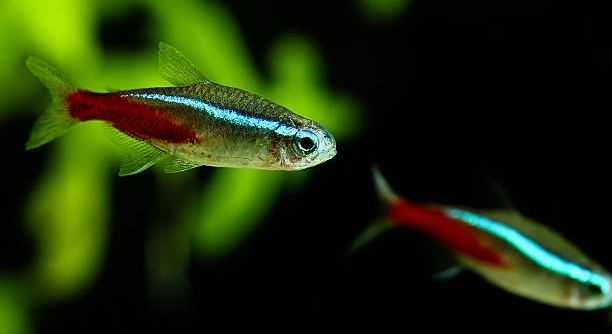
Tetras are popular aquarium fish known for their vibrant colors and active behavior. Ensuring they feel comfortable in their tank is important for their health and well-being. Recognizing signs of comfort can help maintain a happy aquatic environment.
Tetras that feel comfortable in their tank exhibit natural swimming patterns, consistent feeding behavior, and interaction with their environment. Signs include vibrant coloration, calm movements, and social behavior with other fish, indicating a stable and suitable habitat.
Observing these behaviors closely will help you keep your tetras thriving and content in their aquatic home.
Natural Swimming Patterns
Tetras that feel comfortable tend to swim calmly and naturally throughout the tank. They move smoothly without erratic or frantic bursts, often exploring different areas but never appearing stressed or hiding excessively. A relaxed tetra will glide through the water, showing balanced use of all fins. They might swim in small groups, maintaining a steady pace without sharp, nervous movements. Observing these natural swimming habits helps indicate that the environment suits their needs, including water quality, temperature, and tank setup. If tetras dart nervously or stay in one corner for long periods, it can mean discomfort or stress. Providing plenty of plants, hiding spots, and the right tank mates supports this calm behavior. Regular monitoring ensures that any changes in swimming patterns can be addressed early, helping to maintain a peaceful tank where tetras feel secure and active.
Comfortable tetras swim steadily and calmly, exploring their environment without sudden movements or excessive hiding.
Watching your tetra’s swimming behavior gives early clues about their comfort, allowing you to adjust the tank for their well-being.
Consistent Feeding Behavior
When tetras are comfortable, they show a steady appetite and respond actively during feeding times. They quickly come to the surface or feeding area, eating without hesitation. Uneaten food is minimal because they consume their share efficiently, which shows they feel safe and are not stressed. If tetras refuse to eat or seem disinterested, it could mean something in their environment is off, such as poor water quality or illness. Maintaining a regular feeding schedule with high-quality food suited for tetras supports their health and comfort. Overfeeding should be avoided, as excess food can pollute the tank and cause discomfort. Observing feeding behavior closely ensures your tetras stay healthy and comfortable, helping prevent common problems and improving their overall happiness in the tank. Consistent feeding habits reflect a stable and stress-free habitat.
Feeding responses are a clear indicator of comfort and health in tetras. Active, eager eating shows they are at ease.
A healthy appetite in your tetras means their tank environment meets their needs, encouraging longevity and vitality.
Vibrant Coloration
Healthy tetras display bright, vivid colors that stand out in the tank. Dull or faded colors often signal stress or poor water conditions.
Color is a strong indicator of a tetra’s comfort. When they are in a suitable environment with clean water and proper nutrition, their colors appear rich and intense. Stress, illness, or suboptimal water parameters cause colors to fade or become patchy. Regular water changes and a balanced diet help maintain their natural brightness. Watching your tetras for changes in coloration can alert you to early signs of discomfort before other symptoms appear, allowing prompt action to improve their conditions.
Bright colors result from a balanced diet and stable tank conditions. Ensuring water quality and proper care keeps tetras vibrant and healthy.
Social Behavior
Tetras naturally thrive in groups and show social interaction with each other. Isolated or withdrawn fish may be uncomfortable.
Comfortable tetras swim together, often schooling and responding to each other’s movements. They may chase gently or swim side by side, which indicates good social bonds. When tetras are stressed, they tend to isolate or hide, which can lead to further problems. Ensuring the tank has enough fish of the same species encourages natural social behavior, which reduces stress and increases activity. Providing a safe, well-structured environment supports these interactions and makes your tetras feel secure. Observing their social patterns helps you spot discomfort early and maintain a healthy, balanced community in the tank.
Tank Cleanliness
A clean tank is essential for tetra comfort and health. Dirty water causes stress and illness.
Regular water changes and proper filtration keep the environment stable. Tetras need clean water to thrive and show natural behavior.
Proper Water Temperature
Maintaining the right water temperature is crucial for tetras. Most tetras prefer temperatures between 72°F and 80°F.
Temperature outside this range can cause stress, reduce activity, and weaken their immune system. Using a reliable heater and thermometer helps keep the tank stable. Sudden temperature changes should be avoided to prevent shock and discomfort. Consistent temperature supports healthy metabolism and vibrant coloration in tetras, making them more active and comfortable in their tank.
Adequate Tank Size
Tetras need enough space to swim freely. Small tanks restrict movement and cause stress.
Hiding Spots
Tetras feel safer with places to hide. Plants and decorations provide security and reduce stress.
FAQ
How often should I clean my tetra tank?
Cleaning the tank regularly is important to keep tetras healthy and comfortable. Partial water changes of about 20-30% every one to two weeks help maintain water quality. It’s also necessary to clean the filter monthly and remove leftover food or debris. Avoid full water changes unless absolutely needed, as they can stress the fish. Keeping a schedule makes the process easier and supports a stable environment for your tetras.
What is the best water temperature for tetras?
Tetras generally thrive between 72°F and 80°F (22°C to 27°C). Maintaining this temperature range helps their metabolism and immune system work properly. Use a reliable aquarium heater and thermometer to monitor the temperature. Avoid sudden changes, which can cause stress and illness. Consistency is key for keeping your tetras comfortable and active.
How many tetras should I keep in one tank?
Tetras are schooling fish and feel most secure in groups of at least six. Smaller groups can lead to stress and abnormal behavior. Larger groups encourage natural social interaction and reduce aggression. Make sure the tank size supports the number of fish to prevent overcrowding, which can cause poor water quality and discomfort.
What should I feed my tetras?
A balanced diet for tetras includes high-quality flakes, pellets, and occasional live or frozen foods like brine shrimp or daphnia. Feeding small amounts once or twice a day is best. Avoid overfeeding, as leftover food can pollute the water. Varied diets keep tetras healthy and vibrant.
How can I tell if my tetra is stressed?
Signs of stress include faded colors, erratic swimming, hiding more than usual, and loss of appetite. Stressed fish may also gasp at the surface or scratch against objects. These behaviors often result from poor water quality, wrong temperature, or aggressive tank mates. Monitoring these signs early helps prevent health issues.
What decorations are good for tetra tanks?
Tetras appreciate plenty of plants, both live and artificial, as well as hiding spots like caves or driftwood. These provide security and reduce stress by mimicking their natural habitat. Avoid sharp decorations that might injure the fish. A well-decorated tank encourages natural behavior and comfort.
How important is lighting for tetras?
Moderate lighting supports natural behavior and helps plants grow if live plants are used. Too bright lighting can stress tetras, causing them to hide or lose color. A balanced day-night cycle of about 8-10 hours of light helps maintain their internal rhythm and comfort.
Can tetras live with other fish?
Tetras generally do well with peaceful community fish of similar size. Avoid aggressive or much larger fish that may bully or eat them. Proper tank mates reduce stress and encourage natural schooling behavior. Research compatibility before introducing new fish.
What causes tetras to stop eating?
Loss of appetite can be caused by stress, illness, poor water quality, or incorrect diet. If tetras stop eating, check water parameters and temperature first. Quarantine sick fish if needed and provide varied food to encourage eating. Early attention can prevent serious health problems.
How do I introduce new tetras to an established tank?
Acclimate new tetras slowly by floating the bag in the tank water for 15-20 minutes to equalize temperature. Gradually add small amounts of tank water to the bag before releasing them. This reduces shock and helps new fish adjust to water chemistry. Monitor them closely during the first few days for signs of stress.
Final Thoughts
Ensuring tetras feel comfortable in their tank is essential for their health and happiness. Paying attention to their behavior, such as swimming patterns, feeding habits, and coloration, can provide clear signs of how they are doing. A stable environment with clean water, proper temperature, and enough space supports their well-being. Taking time to observe your tetras regularly helps you catch any problems early and make necessary adjustments to their care.
Creating a comfortable habitat involves more than just meeting basic needs. Adding hiding spots like plants or decorations helps reduce stress and makes tetras feel safe. Keeping them in groups encourages natural social behavior, which is important for their mental health. Consistent maintenance, including regular water changes and monitoring tank conditions, keeps the environment balanced and healthy. Feeding them a varied and appropriate diet also plays a key role in their overall comfort and vitality.
By understanding the signs that show tetras are comfortable or stressed, you can provide better care and enjoy a more lively and colorful aquarium. Comfort is reflected in their behavior and appearance, so small changes in the tank setup can make a big difference. A well-maintained tank not only supports your tetras’ health but also creates a more enjoyable experience for anyone watching them. Taking these steps ensures your tetras thrive and live longer, happier lives in their aquatic home.

Hello,
If you enjoy the content that we create, please consider saying a "Thank You!" by leaving a tip.
Every little bit helps us continue crafting quality advice that supports the health, happiness, and well-being of pets around the world, for pets of all shapes, sizes, and species.
We really appreciate the kindness and support that you show us!