
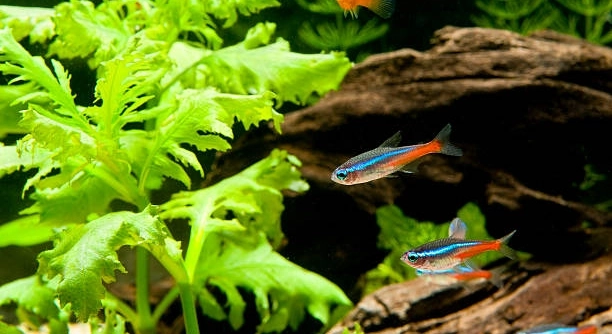
Overdominant tetras can change the balance of your aquarium, causing stress for other fish. Recognizing their behaviors early helps keep your tank peaceful and healthy. This guide will show you key signs to watch for.
Overdominant tetras display aggressive and territorial behaviors such as chasing, fin nipping, frequent dominance displays, and monopolizing food or space. These actions disrupt tank harmony and can lead to stress or injury among other fish species.
Identifying these behaviors early can help maintain a calm environment and promote the well-being of all your aquatic pets.
Signs of Aggression in Overdominant Tetras
Overdominant tetras often show clear signs of aggression that can disrupt the balance in your aquarium. One common behavior is chasing other fish around the tank repeatedly. This chasing can cause stress and even injury to more timid species. Another typical sign is fin nipping, where the tetra bites the fins of other fish, leading to torn or ragged fins. These tetras may also push other fish away from hiding spots or preferred areas, showing territorial behavior. You might notice them flaring their fins or puffing up their bodies to appear larger and more intimidating. They often compete aggressively for food, eating quickly and not allowing others a chance. These behaviors can escalate quickly if unchecked, causing an unhealthy environment. Watching your fish closely will help you catch these signs before they become severe. Adjusting your tank setup or population may be necessary to reduce conflicts.
These behaviors often lead to increased stress and injury in other fish, reducing overall tank harmony and health.
Managing aggression early helps prevent serious problems and keeps your aquarium peaceful. Consistent observation and timely action are key to maintaining balance.
How to Manage Overdominant Behavior
One effective way to manage overdominant tetras is by adjusting the tank environment. Adding plenty of plants, decorations, and hiding spots can break up lines of sight and reduce territorial disputes. This makes it harder for dominant tetras to control the entire space. Another important step is to ensure your tank is not overcrowded but has enough fish to diffuse aggression through numbers. Sometimes adding more tetras can spread out the dominant behavior instead of focusing on one fish. Feeding your fish frequently and in multiple spots can also help lower competition for food. If problems persist, consider separating the aggressive fish temporarily or permanently. Regular water changes and maintaining good water quality reduce stress for all fish, which can lessen aggressive tendencies. By creating a balanced environment, you can improve the well-being of all tank inhabitants and enjoy a more peaceful aquarium.
Common Triggers of Overdominant Behavior
Overdominant tetras often react to overcrowding and limited resources. These conditions push them to compete aggressively for space and food. Stress from poor water quality can also worsen their behavior, making them more hostile toward tank mates.
Crowded tanks force dominant tetras to assert control aggressively. Limited hiding spots increase tension as fish cannot escape conflicts. Competition over food worsens with fewer feeding locations or irregular feeding schedules. Poor water quality raises stress hormones, which can trigger more territorial or aggressive acts. Even changes like new tank mates or rearranged decorations may unsettle tetras and provoke dominance displays. Being aware of these triggers helps in managing their behavior before it escalates.
Adjusting tank size, improving water quality, and providing enough food and shelter reduce stress and aggression. Regular monitoring is essential to prevent environmental factors from encouraging dominance.
Impact of Overdominant Tetras on Other Fish
Overdominant tetras can cause significant stress for other species. Constant chasing or bullying leads to exhaustion and weakened immune systems in affected fish. This stress can make them more prone to disease and reduce their lifespan. Timid fish often hide excessively, limiting their ability to feed or explore. In extreme cases, persistent aggression results in injury or death. Overdominant behavior disrupts social structures within the tank, causing imbalance. Fish that are pushed out of feeding areas may suffer from malnutrition. The overall tank environment becomes less stable, affecting the health and happiness of all inhabitants. Careful observation and intervention can help protect more vulnerable fish and restore balance.
Preventing Overdominance in Tetras
Preventing overdominant behavior starts with choosing the right number of fish. Avoid overcrowding and keep the tank well-planted to provide hiding spots.
Balanced feeding and regular water changes also help keep aggression low. A peaceful environment limits triggers for dominance.
Recognizing Early Warning Signs
Early signs include chasing, frequent fin displays, and guarding food or territory. These behaviors signal rising aggression and should be addressed quickly.
When to Separate Overdominant Tetras
Separation is necessary if aggression leads to injury or constant stress. Isolating the dominant fish protects others and restores tank balance.
Long-Term Care Tips
Maintaining a healthy, stress-free environment requires regular monitoring, good nutrition, and proper tank setup to prevent dominance from returning.
FAQ
How can I tell if a tetra is becoming overdominant?
Signs include chasing other fish frequently, fin nipping, and guarding food or territory aggressively. The dominant tetra may also puff up fins or act restless. These behaviors disrupt the tank’s harmony and can cause stress or injury to other fish. Observing changes in interactions among fish helps spot overdominance early.
Why do overdominant tetras nip at other fish?
Fin nipping is a way to show dominance and control. It weakens other fish by damaging their fins and making them more vulnerable. This behavior can increase when the tank is overcrowded, or there is limited food and hiding spaces. Reducing stress and improving tank conditions often helps lessen fin nipping.
Is it normal for tetras to chase each other?
Chasing can be a natural behavior but becomes a problem when it is constant or aggressive. Overdominant tetras chase to assert control over territory or food. Occasional chasing is fine, but if other fish appear stressed or injured, action is needed to prevent harm.
How many tetras should I keep to avoid dominance issues?
A group of at least six or more tetras tends to reduce aggressive behavior by spreading it out among many fish. Smaller groups often lead to one tetra becoming dominant. Proper stocking levels combined with adequate tank size help keep peace.
Can tank size affect tetra behavior?
Yes, a small tank limits space, increasing competition for territory and food. Larger tanks with plenty of plants and hiding spots reduce aggression by allowing fish to escape and find their own space. Overdominance often decreases in well-planted, spacious tanks.
What role does feeding play in controlling aggression?
Regular feeding in multiple spots reduces competition for food and lowers stress. If food is scarce or given in only one location, dominant tetras can guard it aggressively. Providing enough high-quality food and spreading feeding sites helps calm aggressive tendencies.
Should I separate an overdominant tetra permanently?
Separation is sometimes necessary if aggression causes injury or constant stress. You can isolate the aggressive fish temporarily to cool down tensions or permanently if it continues harming tank mates. Always monitor after reintegration to ensure harmony.
Can overdominant behavior be caused by poor water quality?
Poor water quality raises stress levels, making tetras more aggressive. Ammonia, nitrite, and nitrate buildup can irritate fish, triggering dominance displays. Maintaining clean water with regular changes supports calmer behavior and better health.
Do decorations and plants help reduce dominance?
Yes, plants and decorations create hiding spots and break lines of sight. This makes it harder for dominant fish to control the entire tank. A well-decorated aquarium provides refuge for shy fish and reduces tension between tank mates.
How do I calm an aggressive tetra without removing it?
Improving the environment by increasing hiding spaces, adding more tank mates, and feeding well can help. Reducing stressors like overcrowding and poor water quality lowers aggression. Sometimes, rearranging the tank layout resets territorial boundaries and calms dominant fish.
Can overdominant behavior return after fixing the environment?
It can, especially if tank conditions worsen again or new stressors appear. Regular monitoring and maintenance are essential to prevent relapse. Keeping a balanced community with enough space and resources reduces chances of dominance returning.
Are some tetra species more prone to dominance?
Yes, certain species like Congo or Glowlight tetras may show stronger territorial or aggressive tendencies. Knowing your species’ behavior helps prepare for possible dominance and plan tank setups accordingly.
What should I do if fin nipping leads to infection?
Treat the infected fish promptly with appropriate medications and improve water quality. Isolate the injured fish if needed to allow healing. Preventing fin nipping by managing aggression and providing enough space helps avoid infections.
Is overdominance only a problem in community tanks?
It is mainly a concern in community tanks where multiple species or several fish live together. In species-only tanks with proper numbers, dominance issues are less common but can still happen if conditions are poor.
Can adding more fish help stop one tetra from being dominant?
Sometimes adding more tetras can distribute aggression, reducing focus on one fish. However, this only works if the tank is large enough and well-maintained. Overcrowding will worsen problems instead of solving them.
How often should I check for signs of overdominance?
Daily observation is best. Early detection allows quick action before problems escalate. Watching fish behavior regularly helps you spot subtle changes that indicate rising aggression.
Overdominant behavior in tetras can create challenges in maintaining a peaceful aquarium. These fish often display aggressive actions such as chasing, fin nipping, and guarding territory, which can stress other tank inhabitants. Recognizing these behaviors early is important to prevent serious problems. By understanding what triggers dominance and how it affects other fish, you can take steps to reduce aggression and keep your tank balanced.
Managing an overdominant tetra involves creating an environment that lowers stress and competition. Providing enough space, plants, and hiding spots helps fish feel safe and less likely to fight. Feeding regularly and in multiple locations also reduces food-related aggression. In some cases, separating a very aggressive fish may be necessary to protect others. Maintaining good water quality and avoiding overcrowding play key roles in keeping fish calm and healthy.
Keeping a tetra community harmonious requires regular observation and care. Fish behavior can change with new additions, changes in the tank, or shifts in water conditions. Staying alert to signs of dominance and addressing them early will help ensure all your fish live comfortably. A well-maintained tank with a balanced population supports the health and happiness of every fish, making your aquarium a peaceful and enjoyable space.

Hello,
If you enjoy the content that we create, please consider saying a "Thank You!" by leaving a tip.
Every little bit helps us continue crafting quality advice that supports the health, happiness, and well-being of pets around the world, for pets of all shapes, sizes, and species.
We really appreciate the kindness and support that you show us!