
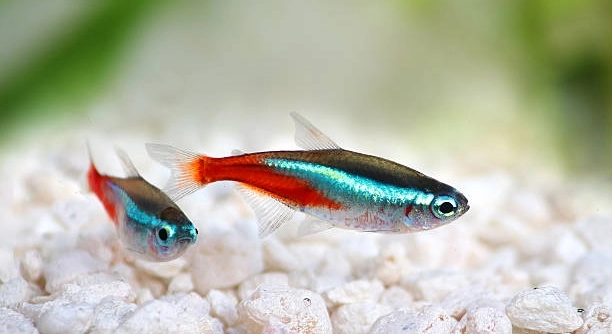
Raising tetra fry can be a rewarding experience, but many hobbyists face challenges with low survival rates. Understanding the factors that affect their early growth is essential to improving outcomes. This article explores common causes behind weak fry survival in tetra fish.
Weak fry survival in tetra is often influenced by water quality, improper feeding, inadequate tank conditions, genetic factors, disease, stress, and lack of proper care. Addressing these causes systematically can significantly enhance the chances of fry reaching maturity.
Knowing these causes will help you create a better environment for your tetra fry and improve their chances of healthy growth and survival.
Water Quality Issues
Maintaining proper water quality is critical for the survival of tetra fry. Poor water conditions, such as high ammonia, nitrite, or nitrate levels, can quickly weaken or kill fry. Tetras are sensitive to sudden changes in pH and temperature, which can cause stress and reduce their ability to thrive. Regular water testing and partial water changes help keep parameters stable. It is important to avoid overcrowding the tank, as excess waste can deteriorate water quality. Using a sponge filter or gentle filtration prevents fry from being harmed while ensuring cleanliness. Keeping water clean and stable reduces disease risk and supports healthy development in fry. Consistency in water maintenance plays a vital role in improving survival rates.
Testing water quality frequently and maintaining stable conditions ensures a healthier environment for the fry. Clean water minimizes the chance of stress-related deaths.
Proper water conditions give tetra fry the best chance to grow strong and avoid common illnesses related to poor water. Avoiding toxic substances and fluctuations helps maintain their delicate immune systems. It is advisable to acclimate new water slowly to prevent shock. Using dechlorinated water is necessary because chlorine and chloramine harm young fish. Ensuring oxygen levels are adequate with gentle aeration supports metabolic processes. Filtration should be gentle enough not to suck in fry but effective enough to keep water clear. These practices create a safe habitat, reducing mortality caused by environmental stressors.
Feeding and Nutrition
Proper feeding is essential for tetra fry survival. Underfeeding or overfeeding can both cause problems. Fry need small, frequent meals of suitable food to grow well.
Tetra fry require a diet rich in proteins and nutrients to support rapid development. In the early days, newly hatched fry often consume infusoria or liquid fry food, which are small enough for their tiny mouths. As they grow, finely crushed flakes, baby brine shrimp, or microworms can be introduced. Feeding should be controlled to avoid leftover food, which can pollute the water and harm fry. Consistent feeding schedules help regulate their metabolism and prevent starvation or obesity. It is important to monitor fry growth and adjust the diet accordingly to ensure optimal health.
Introducing high-quality live or prepared foods gradually encourages better digestion and growth. Proper feeding minimizes weakness and boosts immune response, increasing survival rates significantly.
Tank Conditions and Environment
Tank size and setup affect tetra fry survival. Overcrowded or poorly arranged tanks increase stress and risk of injury.
Providing enough space allows fry to swim freely and reduces competition for food. Plants and hiding spots are essential, as they offer shelter and reduce stress. Bare tanks expose fry to predators and increase injury risk. Maintaining stable temperature and gentle water flow supports healthy growth. The environment should mimic natural conditions to minimize stress. Regular cleaning without disturbing the fry keeps the habitat safe. Choosing appropriate substrate and décor helps prevent physical harm and encourages natural behavior, both important for survival.
Lighting also plays a role. Too much light can stress fry, while dim lighting encourages natural activity. Using floating plants helps diffuse light and provide cover. Avoid sudden changes in tank conditions to prevent shock. Proper aeration keeps oxygen levels balanced without creating strong currents that could harm fry. Together, these factors create a balanced environment necessary for healthy fry development.
Genetic Factors and Breeding Practices
Genetic quality impacts fry survival significantly. Breeding from healthy, unrelated tetras reduces the risk of inherited weaknesses.
Selective breeding avoids passing on harmful traits that reduce fry vitality. Inbreeding increases susceptibility to disease and deformities. Introducing new genetic lines occasionally improves the overall health of the stock. Proper selection of breeding pairs ensures stronger offspring with better survival chances. Monitoring the breeding process closely can prevent unhealthy fry production. Genetic diversity also helps fry adapt better to tank conditions, increasing their resilience. Keeping detailed records supports responsible breeding practices and healthier generations. Responsible breeding contributes directly to improving fry survival outcomes.
Disease and Parasites
Diseases and parasites commonly reduce tetra fry survival. Early detection is key to controlling outbreaks.
Quarantining new fish and maintaining clean tanks help prevent infections. Using medication only when necessary avoids harming fragile fry. Good hygiene reduces the risk of disease spread.
Stress and Handling
Stress weakens fry immune systems and slows growth. Minimizing disturbances during early development is crucial.
Avoid frequent tank moves, loud noises, and sudden changes. Gentle handling during water changes and feeding lowers stress. A calm environment supports healthier fry development.
Lack of Proper Care
Inconsistent care habits negatively affect fry survival. Regular monitoring and maintenance ensure stable conditions.
Poor care includes neglecting water changes, improper feeding, and ignoring signs of illness. Keeping a routine helps maintain ideal tank conditions and supports fry growth. Proper attention prevents avoidable deaths and improves survival chances.
Poor Water Circulation
Inadequate water flow can harm fry by limiting oxygen and spreading waste unevenly.
What causes low survival rates in tetra fry?
Low survival rates often result from poor water quality, inadequate feeding, stress, disease, and unsuitable tank conditions. Each factor weakens the fry, making them vulnerable to illness and death. Addressing these areas carefully improves survival chances significantly.
How important is water quality for tetra fry?
Water quality is crucial. High ammonia, nitrites, or nitrates harm fry quickly. Maintaining stable temperature and pH prevents stress. Regular water changes and testing keep the environment safe and healthy for young tetras.
What should I feed tetra fry?
Tetra fry need tiny, frequent meals of protein-rich foods. Newly hatched fry thrive on infusoria or liquid fry food. As they grow, introduce finely crushed flakes, baby brine shrimp, or microworms. Avoid overfeeding to prevent water pollution.
How often should I feed fry?
Feeding small amounts 3–4 times daily is ideal. Frequent feeding supports rapid growth but avoid excess food. Removing uneaten food keeps water clean and reduces disease risk.
Can tank size affect fry survival?
Yes, overcrowding causes stress and competition for food. Providing enough space allows healthy growth and reduces injuries. A well-planned tank with plants and hiding places supports fry safety.
How do genetics influence survival rates?
Healthy breeding pairs produce stronger fry. Inbreeding increases deformities and disease vulnerability. Introducing new genetic lines maintains vitality and improves fry resilience.
How do diseases affect fry survival?
Diseases and parasites spread quickly in fry populations, causing high mortality. Quarantining new fish and maintaining cleanliness reduces outbreaks. Early treatment is essential but should be gentle to avoid harming fry.
What role does stress play in fry survival?
Stress lowers immune defenses and growth rates. Avoid frequent handling, sudden changes, loud noises, and overcrowding. A calm, stable environment promotes healthier development.
How can I prevent common problems in fry care?
Routine monitoring, regular water changes, and consistent feeding are key. Maintaining tank hygiene and avoiding overcrowding reduce risks. Observing fry daily helps catch issues early.
What water parameters are best for tetra fry?
A stable temperature between 75–80°F (24–27°C) and pH around 6.5–7.0 work well. Avoid sudden shifts. Low ammonia and nitrite levels are essential, with nitrates kept below 20 ppm.
Is filtration necessary for fry tanks?
Yes, but it must be gentle. Sponge filters are preferred because they clean water without harming fry. Strong currents can exhaust or injure fry, so adjust flow carefully.
How can I improve fry survival overall?
Focus on water quality, proper nutrition, stress reduction, and clean conditions. Use healthy breeding stock and maintain stable tank environments. Careful attention to these factors greatly improves survival rates.
When should I move fry to a larger tank?
Move fry when they are big enough to avoid being eaten or stressed by overcrowding, usually after a few weeks. Transition slowly to prevent shock and maintain water parameters.
What signs indicate healthy fry?
Active swimming, steady growth, and clear eyes show health. Healthy fry feed well and avoid hiding excessively. Watch for any unusual behavior or spots as early warning signs.
How do I handle fry safely?
Minimize direct handling. Use soft nets and gentle water changes to avoid injury. Disturb fry as little as possible to reduce stress.
Can I keep other fish with tetra fry?
It is best to keep fry separate from adult or aggressive fish. Other fish may eat or stress fry, lowering survival chances. Dedicated fry tanks ensure safer growth.
Raising tetra fry can be challenging, but understanding the factors that affect their survival makes a big difference. Water quality, proper feeding, tank conditions, genetics, disease, and stress all play important roles in whether the fry grow strong and healthy. Paying close attention to each of these areas helps create a stable environment where the fry can develop without unnecessary risks. Consistency in care is key, as sudden changes or neglect can quickly harm fragile young fish. With patience and careful observation, the chances of raising healthy tetra fry increase significantly.
Providing the right food in appropriate amounts is equally important. Fry require small, frequent meals of suitable food to support their rapid growth. Overfeeding or underfeeding can both cause problems, including poor water quality and weak fry. A balanced diet that evolves as the fry grow helps maintain their strength and immune systems. Alongside feeding, maintaining a clean, well-filtered tank with gentle water flow supports overall health. Creating hiding places and avoiding overcrowding also reduces stress and injury. Each of these factors combined promotes better survival rates and healthier fish.
Genetics and disease prevention are additional areas that require attention. Using healthy breeding stock and avoiding inbreeding improves fry vitality. Keeping new fish in quarantine before introducing them to the main tank helps prevent disease outbreaks. Maintaining proper hygiene and monitoring for signs of illness enable early intervention when problems arise. Stress management through gentle handling and stable tank conditions supports the fry’s immune response. By following these guidelines, breeders can increase the survival rate of tetra fry and enjoy the satisfaction of watching their fish grow successfully. Raising tetra fry requires care and commitment, but the effort is rewarding when healthy young fish thrive.

Hello,
If you enjoy the content that we create, please consider saying a "Thank You!" by leaving a tip.
Every little bit helps us continue crafting quality advice that supports the health, happiness, and well-being of pets around the world, for pets of all shapes, sizes, and species.
We really appreciate the kindness and support that you show us!