
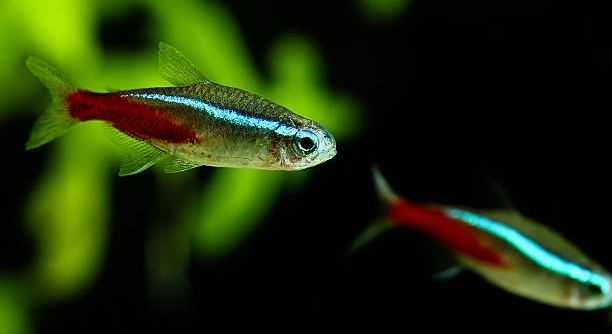
Many aquarium owners enjoy keeping tetras for their vibrant colors and peaceful nature. However, these small fish are sensitive to changes in their environment. Water conditions play a crucial role in their health and behavior.
Poor water quality can cause stress, illness, and even death in tetras. Factors such as improper pH levels, high ammonia, or inadequate filtration disrupt their delicate balance. Monitoring these signs early helps maintain a healthy aquarium environment.
Recognizing these signs early will help you protect your tetra and improve your aquarium care skills. Understanding what affects your fish is key to keeping them happy and thriving.
Cloudy or Discolored Water
Cloudy or discolored water is often the first noticeable sign that something is off in your tetra’s tank. It usually indicates a buildup of waste, uneaten food, or harmful bacteria. If the water looks murky or has an unusual color, it can cause stress to your fish and affect their breathing. This often happens when the tank is not cleaned regularly or when the filtration system is not working well. Tetras are very sensitive to water quality, so even slight changes can impact their health. Regular water changes and proper filtration are essential to keep the water clear and safe. Keeping the tank clean will also reduce the risk of diseases and improve the overall environment for your fish. Monitoring the water visually can help you catch problems early and avoid bigger issues down the line.
Cloudy water means the tank needs attention. Clean water supports healthy fish.
Checking and maintaining clear water helps your tetras stay active and healthy. Avoid letting waste build up, and always test water quality regularly. Proper tank care can prevent many common health problems in fish caused by poor water conditions.
Tetras Showing Unusual Behavior
When tetras act differently, it can be a clear sign that the water quality is poor. You might notice your fish swimming erratically, gasping at the surface, or hiding more than usual. These behaviors often point to a lack of oxygen or high toxin levels in the water. In some cases, changes in temperature or pH can cause stress, making the fish less active or causing them to stay near the bottom. Watching your tetras’ behavior carefully will help you notice these subtle signs. It’s important to address water issues quickly because prolonged stress weakens their immune system, making them more prone to infections. Regular water tests and adjustments keep the environment stable and comfortable for your fish. Keeping an eye on behavior alongside water parameters ensures your tetras live longer and healthier lives.
Faded Colors
Tetras with faded or dull colors often indicate stress caused by poor water conditions. Healthy fish typically display bright, vibrant colors, so any change should not be ignored.
Faded colors can result from high levels of ammonia, nitrites, or nitrates in the water. These toxins affect the fish’s health and reduce their ability to show their natural coloration. Poor lighting or lack of proper nutrients can also cause dull colors. Consistent water testing and regular partial water changes are essential to reduce harmful substances. Adjusting tank conditions promptly can restore your tetra’s bright appearance and prevent further health decline.
Sometimes, stress from overcrowding or incompatible tank mates also causes tetras to lose their color. Ensuring enough space and peaceful companions helps maintain their well-being. Taking care of the water quality and environment promotes vibrant, healthy fish.
Excessive Algae Growth
Excessive algae growth often signals an imbalance in your aquarium’s water conditions. Too much light or excess nutrients like nitrates and phosphates can fuel algae blooms, which harm your tetras’ habitat.
Algae can reduce oxygen levels at night and block light, stressing fish and plants. It also makes the tank look dirty and can clog filters. Overfeeding your fish or irregular water changes add to the problem by increasing nutrient levels. Controlling light exposure and feeding less can limit algae growth. Regular cleaning of the tank walls and decorations is important to keep algae under control and maintain a healthy environment for your tetras.
Fish Gasping at the Surface
When tetras gasp at the surface, it usually means there is low oxygen in the water. This can happen if the tank is overcrowded or if the filter isn’t working properly.
Poor oxygen levels make it hard for fish to breathe. Increasing aeration or improving water flow helps solve this issue quickly.
Ammonia or Nitrite Smell
A strong chemical or “fishy” smell often signals high ammonia or nitrite levels. These toxins are harmful even in small amounts and must be addressed immediately. Testing the water regularly helps detect these dangerous chemicals early.
Rapid Gill Movement
If your tetra is breathing fast with rapid gill movement, it may be struggling with poor water quality. This is a sign of stress and possible oxygen deficiency. Improving filtration and performing water changes usually helps reduce this symptom.
FAQ
What causes poor water conditions in a tetra tank?
Poor water conditions often result from irregular cleaning, overfeeding, or an inadequate filtration system. Waste builds up quickly, raising ammonia, nitrite, and nitrate levels. Overcrowding can also contribute by increasing waste and reducing oxygen. Maintaining a proper balance of fish, regular water changes, and good filtration are key to preventing problems.
How often should I test my aquarium water?
Testing water once a week is a good rule of thumb. Frequent checks allow you to catch changes early, especially in new tanks. Testing kits measure important factors like pH, ammonia, nitrites, and nitrates. Keeping these levels in the right range helps keep your tetras healthy and stress-free.
What are safe water parameters for tetras?
Tetras thrive in water with a pH between 6.0 and 7.5, temperature from 72°F to 80°F (22°C to 27°C), and very low ammonia and nitrite levels (close to zero). Nitrate should be kept below 20 ppm. Stable conditions within these ranges reduce stress and disease risk for your fish.
Can water temperature affect my tetra’s health?
Yes, temperature swings or extremes can cause stress and weaken the immune system. Tetras are tropical fish that prefer stable warm water. Use a heater to maintain consistent temperatures. Avoid placing tanks near drafts, windows, or heaters that can cause rapid fluctuations.
Why is my tetra gasping at the surface?
Gasping usually means low oxygen in the water. This can happen if the tank is overcrowded, water circulation is poor, or the filter isn’t working well. Increasing aeration, cleaning the tank, and reducing fish load can improve oxygen levels and help your tetra breathe easier.
How often should I change the water in my tetra tank?
Performing a 20-25% water change every one to two weeks is generally recommended. This helps remove toxins and refresh minerals without shocking your fish. In new or heavily stocked tanks, more frequent changes may be necessary. Always use dechlorinated water at the same temperature as the tank.
What should I do if my water looks cloudy?
Cloudy water is often caused by bacterial blooms or excess waste. Check the filter and clean the tank if needed. Avoid overfeeding and remove uneaten food promptly. Regular water changes and good filtration will clear the water and create a healthier environment.
Can too much light harm my tetras?
Excessive light promotes algae growth, which can reduce oxygen levels and cause stress. Keep lighting on a timer for about 8 to 10 hours daily. This prevents algae overgrowth and mimics natural day and night cycles for your fish.
Is overfeeding a problem for tetras?
Yes, overfeeding leads to leftover food that decomposes and pollutes the water. Feed small amounts that your fish can finish in 2 to 3 minutes, once or twice daily. This helps maintain water quality and keeps your tetras healthy.
How do I know if my tetra is sick because of water conditions?
Signs include faded colors, clamped fins, sluggish movement, gasping at the surface, or unusual hiding. If you notice these, test the water immediately. Poor water quality is often the root cause. Addressing it quickly improves recovery chances.
What is the best way to improve water quality quickly?
Start with a partial water change to dilute toxins. Clean or replace the filter media if needed. Reduce feeding temporarily to lower waste buildup. Adding an aerator or adjusting flow can improve oxygen levels. Test water regularly to monitor progress.
Are there specific filters recommended for tetra tanks?
Filters that provide mechanical, chemical, and biological filtration work best. Sponge filters and hang-on-back filters are popular for small tetra tanks. They maintain good water flow and help break down waste efficiently while being gentle enough for small fish.
Can plants help with water quality?
Live plants absorb nitrates and produce oxygen, which benefits water quality. They also provide hiding places that reduce stress. However, plants need proper lighting and care. Overgrown plants should be trimmed to prevent decay and water pollution.
What happens if ammonia levels stay high for too long?
High ammonia is toxic and damages fish gills, causing breathing problems and stress. Prolonged exposure can lead to illness or death. Prompt water changes and proper cycling of the tank are necessary to keep ammonia near zero.
How do I cycle a new aquarium to protect my tetras?
Cycling establishes beneficial bacteria that convert ammonia to nitrite, then to less harmful nitrate. This process usually takes 4 to 6 weeks. Adding fish slowly or using filter media from an established tank can speed cycling. Testing water helps confirm when cycling is complete.
Is it safe to mix different types of fish with tetras?
Tetras do best with peaceful, similarly sized fish. Aggressive or large species can stress or injure them. Compatibility and tank size should be considered carefully. Stress from bullying can worsen health issues caused by water problems.
What are common signs of nitrate buildup?
Excessive nitrates may cause sluggish behavior, poor growth, and reduced color brightness. Unlike ammonia or nitrites, nitrates are less toxic but still harmful in high amounts. Regular water changes keep nitrate levels safe and support fish health.
How does overcrowding affect water conditions?
More fish produce more waste, increasing ammonia and nitrate levels quickly. Overcrowding also reduces oxygen and creates stress. Providing adequate space and limiting the number of fish is essential to maintain stable, clean water for tetras.
Can sudden changes in water parameters harm tetras?
Yes, sudden shifts in pH, temperature, or hardness can shock fish. Gradual changes are less stressful. Always adjust water conditions slowly, using proper techniques like mixing new water with tank water before adding it to the aquarium.
What role does water hardness play in tetra health?
Tetras prefer soft to moderately hard water. Extremely hard or soft water can affect their metabolism and stress levels. Testing and adjusting hardness helps create ideal living conditions. Using natural or commercial water conditioners can help manage hardness effectively.
Keeping your tetras healthy means paying close attention to their water conditions. Water quality affects almost every part of their wellbeing, from their colors to how they behave. When water is clean and balanced, tetras are more active, show brighter colors, and are less likely to get sick. Poor water quality can cause stress, which weakens their immune system and makes them vulnerable to disease. Regular testing and maintenance are important to keep the water safe and comfortable for your fish. Taking these steps can help your tetras live longer and enjoy a better quality of life in their aquarium.
It is important to understand that even small changes in water can have big effects on tetras. Things like pH levels, ammonia, nitrites, and nitrates should be monitored often. Making sure your tank is not overcrowded and that the filter is working properly also helps maintain good water conditions. Overfeeding is a common mistake that quickly leads to water problems. Feeding your fish just enough and cleaning the tank regularly will reduce waste buildup. Watching your fish closely for signs like faded colors, unusual swimming, or gasping at the surface can give you clues about water issues before they get serious. Early action can prevent many health problems.
In summary, the best way to protect your tetras is to create a stable and clean environment. This means keeping water parameters within safe limits, performing regular water changes, and ensuring proper filtration and aeration. Live plants can also improve water quality and offer natural benefits. With careful care and attention, your tetras will thrive and remain beautiful additions to your aquarium. Consistency is key, so developing a routine for tank maintenance will go a long way toward avoiding problems caused by poor water conditions. This simple approach will help your tetras stay happy and healthy.

Hello,
If you enjoy the content that we create, please consider saying a "Thank You!" by leaving a tip.
Every little bit helps us continue crafting quality advice that supports the health, happiness, and well-being of pets around the world, for pets of all shapes, sizes, and species.
We really appreciate the kindness and support that you show us!