
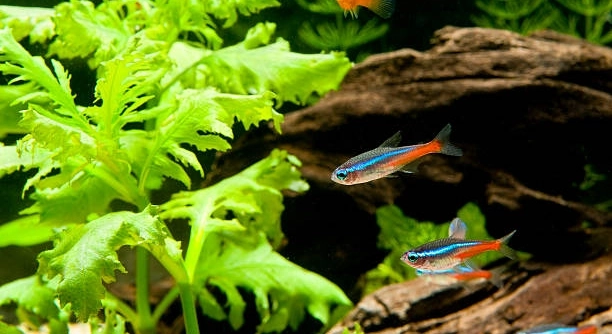
Tetras are small, colorful fish that many people enjoy keeping in home aquariums. Moving them to a new tank can be a stressful experience. Helping them adjust well is important for their health and happiness.
Successful adjustment of tetras to a new tank requires careful attention to water quality, gradual acclimation, stable temperature, appropriate tank mates, and providing a familiar environment that reduces stress and promotes natural behavior.
Learning these steps can make a big difference in how your tetra settles into its new home and thrives over time.
Prepare the Tank Before Introducing Your Tetra
Preparing the tank properly before adding your tetra is essential. Start by cleaning the tank with water only—avoid soaps or detergents because they can leave harmful residues. Make sure the tank has been cycled to establish beneficial bacteria that help break down waste. This process typically takes a few weeks and ensures a healthy environment. Adding plants or hiding spots also helps reduce stress by giving your tetra places to explore and feel safe. Keep the water parameters stable, including temperature, pH, and hardness, matching those the tetra is used to. A well-prepared tank reduces shock and makes it easier for your fish to settle in quickly and stay healthy.
A well-prepared tank creates a calm, healthy environment that supports your tetra’s well-being right from the start.
Taking these steps beforehand ensures your tetra won’t face sudden changes. It helps them adjust without feeling threatened, which is crucial for their health and longevity.
Acclimate Your Tetra Slowly
Slow acclimation helps your tetra adjust to new water conditions without stress. When you bring your fish home, keep the bag sealed and float it in the tank water for about 15–20 minutes. This helps equalize the temperature between the bag and the tank. Next, open the bag and slowly add small amounts of tank water into it every 10 minutes. This gradual mixing allows the fish to get used to the new water chemistry. After about an hour, gently release the fish into the tank. Avoid pouring the bag water into the tank to reduce contamination risk. This careful process prevents shock and gives your tetra the best chance to thrive in its new environment.
Maintain Stable Water Conditions
Stable water conditions are key to helping tetras feel comfortable in their new tank. Sudden changes in temperature or pH can cause stress and illness. Regularly test the water and make small adjustments if needed to keep conditions steady.
Keeping the water clean and balanced means performing routine water changes, usually about 25% weekly. This removes toxins and keeps the environment healthy. Use a water conditioner to remove chlorine or chloramines from tap water before adding it to the tank. Also, monitor temperature closely, as tetras prefer temperatures between 72 and 80°F (22-27°C). Avoid placing the tank near drafts, heaters, or windows where temperature can fluctuate. Consistency helps your tetra avoid stress and supports their immune system.
Maintaining stable conditions also means avoiding overcrowding. Too many fish create waste and can change water quality quickly. Keeping an appropriate number of tetras ensures the tank stays balanced and peaceful. A calm environment encourages natural behavior and keeps your fish happy over time.
Provide a Balanced Diet
Tetras need a varied diet to stay healthy and active. Feeding them the right mix of foods supports their color, energy, and immune system. Use a combination of flakes, pellets, and occasional live or frozen foods like brine shrimp or bloodworms.
Offering small amounts two to three times a day prevents overfeeding, which can pollute the tank. Observe your tetra’s eating habits to adjust the amount and type of food as needed. Providing a balanced diet also means choosing foods with essential nutrients such as proteins, fats, and vitamins. Fresh food options add variety and encourage natural foraging behavior, which reduces boredom.
Avoid feeding your tetra only one type of food. Monotonous diets can lead to nutritional gaps and weaken their health. Regularly switching between different food types keeps them interested and nourished. A good diet is one of the simplest ways to help your tetra adjust and thrive in a new tank.
Choose Compatible Tank Mates
Choosing compatible tank mates is important for your tetra’s comfort. Aggressive or large fish can stress or harm them. Opt for peaceful species that share similar water needs.
Keep the tank balanced by avoiding overcrowding. This reduces competition and aggression, helping tetras feel safe and relaxed in their space.
Provide Hiding Places
Tetras feel safer with places to hide when they feel threatened or stressed. Adding plants, rocks, or decorations gives them spots to retreat to and explore.
Hiding places reduce stress and encourage natural behavior. This helps your tetra feel secure and settle into the new tank more easily.
Monitor Behavior Regularly
Watching your tetra’s behavior can help you catch problems early. Look for signs like hiding too much, loss of appetite, or unusual swimming patterns.
Early detection of stress or illness means you can act quickly to improve conditions or seek treatment, helping your fish stay healthy.
How long does it take for a tetra to adjust to a new tank?
Tetras usually take about one to two weeks to fully adjust to a new tank. During this time, they may hide more and eat less as they get used to their surroundings. Patience is important, and keeping water conditions stable will help speed up the process.
Can I add tetras to an uncycled tank?
Adding tetras to an uncycled tank is not recommended. The beneficial bacteria that break down fish waste take time to develop during cycling. Without this, ammonia and nitrite levels can rise quickly, harming your fish. Always cycle the tank before introducing tetras.
What temperature is best for tetras?
Tetras thrive best in temperatures between 72°F and 80°F (22°C to 27°C). Keeping the temperature steady within this range reduces stress and supports their immune system. Avoid sudden changes by placing the tank away from drafts or direct sunlight.
How often should I feed my tetra?
Feeding your tetra two to three times a day with small amounts is ideal. Overfeeding can pollute the tank and cause health problems. Remove any uneaten food after a few minutes to keep the water clean.
Are live plants necessary in a tetra tank?
Live plants are not necessary but highly beneficial. They offer hiding spots, help maintain water quality by absorbing nitrates, and create a more natural environment. If you don’t want live plants, artificial ones with smooth edges can also provide shelter.
What are signs of stress in tetras?
Signs of stress include hiding constantly, loss of appetite, clamped fins, and erratic swimming. Stress can be caused by poor water quality, aggressive tank mates, or sudden changes in the environment. Addressing these factors quickly can improve your fish’s health.
Can tetras live with other fish?
Yes, tetras can live peacefully with other small, non-aggressive fish that share similar water needs. Avoid larger or aggressive species that may bully or eat them. Good tank mates include guppies, corydoras, and small rasboras.
How much water should I change, and how often?
Performing a 20-25% water change once a week is usually enough to keep water clean and balanced. More frequent changes may be needed in crowded or unfiltered tanks. Always treat tap water with a conditioner before adding it to the tank.
Is it okay to keep only one tetra?
Tetras are schooling fish and feel safest in groups of at least six. Keeping only one can cause stress and loneliness. A group encourages natural behavior and helps reduce fear or aggression.
What should I do if my tetra gets sick?
If your tetra shows signs of illness, such as white spots, lethargy, or rapid breathing, isolate it in a quarantine tank if possible. Test water quality and treat the tank with appropriate medication. Early treatment improves recovery chances.
Helping your tetra adjust to a new tank takes time and care. Each step, from preparing the tank to feeding the fish properly, plays an important role in their health. When you pay attention to the water quality and keep the environment stable, your tetra will feel more comfortable and less stressed. Tetras are small and delicate, so even small changes in their surroundings can affect them. That is why it is important to be patient and gentle throughout the process.
It is also important to remember that tetras are social fish. They do best when kept in groups and with peaceful tank mates. Creating a safe space with hiding spots and plants will help them feel secure. Watching how your tetras behave can tell you a lot about their well-being. If they hide too much or stop eating, it may mean they are stressed or sick. By catching these signs early, you can take steps to fix problems and keep your fish healthy. Feeding your tetra a balanced diet also supports their immune system and helps them thrive.
Overall, moving a tetra to a new tank requires planning and ongoing care. It is not just about the physical setup, but also about creating a calm and steady home. When you focus on the needs of your tetra and give them time to settle in, they can adjust well and live happily. Taking the time to understand their needs and provide the right conditions will reward you with a lively, colorful fish that adds beauty to your aquarium. Keeping tetras healthy and comfortable is a simple but important way to enjoy your aquarium for years to come.

Hello,
If you enjoy the content that we create, please consider saying a "Thank You!" by leaving a tip.
Every little bit helps us continue crafting quality advice that supports the health, happiness, and well-being of pets around the world, for pets of all shapes, sizes, and species.
We really appreciate the kindness and support that you show us!