
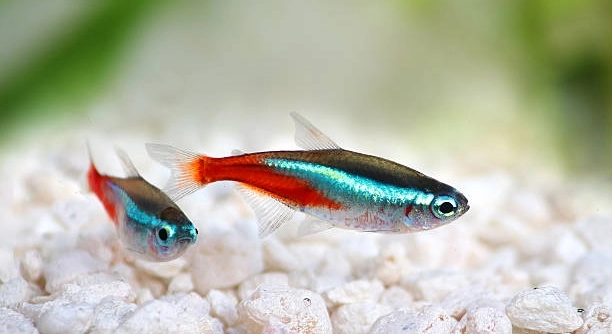
Are your tetras behaving oddly once the lights go out? Many aquarium owners notice unusual activity or restlessness in their fish during this time. This can be surprising, especially when your tank seems calm during the day.
Tetras may act strangely after lights out due to changes in their environment, including shifts in light, temperature, and oxygen levels. These factors can affect their behavior, causing increased movement or hiding as part of their natural response to darkness.
Understanding these behaviors will help you create a more comfortable habitat for your tetras and ensure their well-being through the night.
Why Tetras React to Lights Going Out
Tetras are sensitive to changes in their surroundings, especially when the aquarium lights switch off. This sudden shift signals night time, triggering natural behaviors like seeking shelter or increased movement. In the wild, darkness often means it’s time to avoid predators, so tetras may become more alert or cautious. Some may swim around restlessly as they adjust to the new conditions. The absence of light also affects their internal biological clock, which can change their activity levels temporarily. These responses are part of how tetras manage stress and stay safe when visibility drops. If the tank’s environment fluctuates in temperature or oxygen, these changes can amplify the behavior, making them seem even more unusual. Understanding these natural reactions can help aquarium owners provide a stable, calm space for their fish.
Fish owners often notice that tetras settle down after a while once they get used to the dark.
Keeping the tank stable and avoiding sudden changes can reduce unusual behavior after lights out. Regularly checking water quality and temperature helps your tetras feel secure. Ensuring there are hiding spots in the tank gives them a safe place to rest during the night. These small steps create a comfortable environment that supports healthy fish behavior. Over time, your tetras will adapt better to the day-night cycle, showing calmer responses when the lights go off. Consistency is key in helping them feel safe and reduce stress-related activity. Your attentiveness to these details plays an important role in their well-being.
Light and Environment Effects on Tetra Behavior
Lighting changes can affect oxygen levels and temperature in the tank, influencing how tetras act.
When lights go off, plants in the tank stop photosynthesizing, which lowers oxygen levels slightly. This can cause fish to become restless or swim near the surface where oxygen is more available. Temperature may also drop a little, especially in smaller tanks, which can change the fish’s metabolism and movement. Sudden dark conditions make tetras more alert as they rely on other senses to navigate. These environmental shifts explain why your tetras behave differently after lights out. Maintaining stable lighting schedules and monitoring tank conditions help minimize these effects. Adding plants and proper filtration supports oxygen levels and temperature balance, promoting calm behavior in your fish. By managing these factors carefully, you can reduce stress and help your tetras feel safe throughout the night.
Common Nighttime Behaviors of Tetras
Tetras often become more active or hide when the lights go out. This is a natural response to darkness.
Some tetras swim more actively after lights out as a way to explore or find a safe spot. Others may hide among plants or decorations to feel secure. These behaviors are their instincts to avoid predators when visibility is low. They may also group together for safety, which is typical schooling behavior. This movement doesn’t mean something is wrong but shows how they adapt to the night environment.
Restlessness can also be a sign of stress caused by changes in the tank, such as water quality or temperature shifts. Ensuring a quiet, stable environment can help reduce excessive activity. When tetras feel safe, their nighttime behavior will be calmer and more predictable.
How to Improve Your Tetra’s Nighttime Comfort
Stable water conditions are key to helping tetras feel secure during the night.
Regularly test water temperature, pH, and oxygen levels to keep conditions steady. Sudden changes can cause stress, leading to unusual nighttime behavior. Provide plenty of hiding spots with plants and decorations to mimic their natural environment. Soft, dim lighting can also help ease the transition from light to dark. Avoid tapping the glass or making loud noises near the tank after lights out. These small efforts create a calm atmosphere, supporting your tetras’ natural rhythms. By maintaining a peaceful environment, you encourage healthy sleep cycles and reduce nighttime restlessness. Consistency in care goes a long way toward keeping your fish happy through the night.
Signs Your Tetras Are Stressed
Restless swimming and hiding more than usual can signal stress. Changes in behavior after lights out are common signs.
Stress can also show as loss of appetite or faded colors. Watch for these signs to keep your tetras healthy and comfortable.
Adjusting Light Schedules for Calm Fish
A consistent light schedule helps tetras maintain their natural rhythms. Sudden changes confuse their internal clocks, causing unusual behavior. Gradually dimming lights before turning them off can ease the transition. Using a timer ensures the light cycle stays regular, supporting better rest. Consistent lighting reduces stress and helps your tetras feel safe at night.
When to Seek Help for Your Tetras
If strange behaviors continue or worsen, it may be time to consult a specialist. Persistent stress can affect their health.
FAQ
Why are my tetras swimming erratically after lights out?
Tetras may swim erratically after the lights go out because they are adjusting to the sudden change in their environment. Darkness can make them more alert or nervous, triggering natural instincts to find shelter or group together. Low oxygen levels or slight temperature drops can also cause this behavior. Making sure the tank environment is stable helps reduce erratic swimming.
Is it normal for tetras to hide when the lights go off?
Yes, it is normal. In the wild, tetras use darkness to avoid predators by hiding among plants or rocks. This instinct carries over to aquarium life. Providing plenty of hiding spots allows them to feel secure and reduces stress during nighttime hours.
How long should aquarium lights stay on for tetras?
Most experts recommend keeping aquarium lights on for about 8 to 12 hours a day. This schedule mimics natural daylight cycles and supports the fish’s internal clock. Using a timer helps maintain consistency, which benefits your tetras’ health and behavior.
Can sudden light changes harm my tetras?
Sudden light changes can stress tetras because their eyes and brains need time to adjust. A quick switch from bright light to darkness or vice versa can confuse them and cause erratic movements. Gradual dimming before lights go off is better for their comfort.
What can I do to reduce stress in my tetras?
Maintaining clean water, stable temperature, and proper oxygen levels are the best ways to reduce stress. Avoid loud noises or tapping on the glass, especially at night. Also, create hiding places with plants and decorations. A calm environment helps tetras relax and behave normally.
Do tetras sleep?
Tetras do rest, though their sleep is different from mammals. They reduce movement and become less active during dark hours, often hiding in safe spots. Rest is important for their health, so a proper light cycle supports their natural resting periods.
Why do my tetras sometimes swim near the surface after lights out?
Swimming near the surface can indicate low oxygen levels in the tank, which often drop when lights go off and plants stop producing oxygen. It can also be a way for tetras to find more oxygen-rich water. Improving aeration and plant health helps keep oxygen balanced.
Can tank size affect how tetras behave at night?
Yes, smaller tanks may experience faster changes in temperature and oxygen, causing tetras to react more noticeably after lights out. Larger tanks usually provide more stable conditions. Ensuring proper filtration and aeration in any tank size supports better behavior.
Is it okay to leave the aquarium light on all night?
Leaving lights on all night is not recommended. Constant light disrupts the natural day-night cycle, causing stress and affecting the fish’s rest. A regular light schedule with a dark period helps tetras stay healthy and behave naturally.
How can I tell if my tetra’s weird behavior is due to illness?
Look for signs like clamped fins, loss of appetite, discoloration, or gasping at the surface. If behavior changes persist beyond lights-out periods or worsen, illness might be the cause. In that case, testing water quality and consulting a veterinarian or aquarium specialist is important.
Should I change water more often if my tetras act weird after lights out?
Regular water changes are important for overall health but may not directly fix nighttime behavior. However, poor water quality can cause stress, making behavior worse. Keeping water clean and stable supports calm behavior day and night.
Can adding plants help calm my tetras at night?
Yes, live or artificial plants provide hiding spots and help reduce stress. Live plants also improve oxygen levels during the day, supporting healthier tank conditions. Plants create a more natural environment, making tetras feel safer and less restless after dark.
What role does tank decoration play in nighttime behavior?
Decorations offer shelter and reduce open space, helping tetras feel protected. This decreases anxiety and restless swimming when the lights go out. Having a variety of hiding places encourages natural behavior and improves overall well-being.
Is feeding time related to tetras’ nighttime activity?
Sometimes. If tetras expect food around lights-out or if feeding schedules are inconsistent, they may become more active or restless. Feeding at regular times during the day helps regulate their activity and reduces nighttime excitement.
Can temperature swings cause weird behavior after lights out?
Yes, tetras are sensitive to temperature changes. Even small drops at night can make them more active or stressed. Keeping temperature stable with a reliable heater and monitoring daily can prevent this issue.
How important is oxygenation during the night?
Oxygen levels often drop at night when plants stop photosynthesizing. Adequate aeration through filters or air stones keeps oxygen sufficient, preventing stress and unusual behavior in tetras. Proper oxygen support is essential for their health and calmness.
Final Thoughts
Tetras are sensitive fish that react to changes in their environment, especially when the lights go out. Their behavior after dark can seem strange or even worrying at first, but it is often just a natural response to the shift from light to darkness. Many of their nighttime actions, like swimming more actively or hiding, come from instincts that help them feel safe. Understanding these basic reactions can help aquarium owners feel more confident about what is happening in their tank. It also shows the importance of keeping the tank stable and comfortable for the fish.
Maintaining good water quality, stable temperature, and proper oxygen levels plays a big role in how tetras behave at night. Sudden changes in these factors can cause stress, making the fish restless or anxious. Providing plenty of hiding places and keeping a consistent lighting schedule helps tetras feel secure and calm. Using timers for lights and making sure the tank environment stays steady creates a better space for fish to live healthy lives. Small adjustments, like dimming lights slowly or adding plants, can make a noticeable difference in how relaxed the tetras are when darkness comes.
In the end, paying close attention to your tetras’ behavior and tank conditions is key to their well-being. If unusual behavior continues, it might be a sign to check water parameters or consult an expert. Regular care and observation help prevent problems before they grow. Creating a peaceful, stable environment supports your tetras’ natural rhythms and overall health. With patience and proper care, your fish will adapt well to their day-night cycle and show calmer behavior after lights out. This makes the aquarium a better place for both the fish and you as the owner.

Hello,
If you enjoy the content that we create, please consider saying a "Thank You!" by leaving a tip.
Every little bit helps us continue crafting quality advice that supports the health, happiness, and well-being of pets around the world, for pets of all shapes, sizes, and species.
We really appreciate the kindness and support that you show us!