
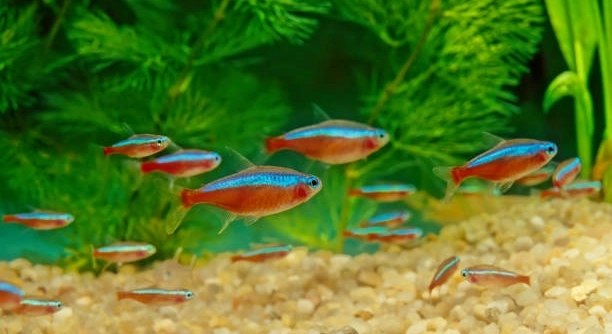
Lonely tetras often show signs of stress and lack of social interaction in their tank environment. These small fish thrive best when they have companions and a well-maintained habitat. Understanding their needs can improve their well-being.
Helping a lonely tetra involves providing proper social groups, ensuring a suitable tank size, maintaining clean water conditions, offering a balanced diet, enriching the environment with hiding places, monitoring behavior closely, and minimizing stress factors for optimal health.
Learning how to support your tetra’s social needs can create a more peaceful and vibrant aquarium for both you and your fish.
Recognizing Signs of Loneliness in Tetras
Lonely tetras may become less active and hide more often than usual. They can show changes in color, appearing duller compared to their healthy, vibrant state. Sometimes, these fish swim erratically or isolate themselves at the tank’s corners. Tetras are naturally social creatures that feel safer and more confident when they are part of a group. Without enough companions, they may lose interest in eating or exploring their environment. It’s important to watch for these behaviors early, as loneliness can lead to stress and weakened immune systems. Stress in fish can increase their risk of illness, so recognizing loneliness is key to keeping tetras healthy. By observing your tank carefully, you can spot subtle changes that indicate your tetra may need more social interaction or environmental enrichment.
Regularly checking your fish’s behavior helps prevent long-term health issues and improves their quality of life.
Keeping your tetra happy involves more than just feeding—it requires attention to their social and environmental needs.
Creating a Healthy Social Environment
Tetras thrive in groups of six or more, which helps reduce stress and encourages natural behaviors. Having enough tank space is also essential; a crowded tank can cause tension, while too small a tank limits movement and social interaction. A minimum tank size of 20 gallons is recommended for a small school of tetras. Adding plants and hiding spots gives them places to retreat, which is comforting and reduces aggression. Clean water and stable conditions support their health, making it easier for them to interact positively. Introducing new tetras should be done carefully to avoid sudden changes that could stress your fish. Monitoring water quality regularly ensures a safe environment that promotes healthy social behaviors. Maintaining a balanced diet with varied foods strengthens their immune system, helping them cope with social changes.
Keeping your tank well-maintained and stocked properly creates the best conditions for your tetras’ social needs and overall well-being.
Providing Proper Tank Size and Setup
A tank size of at least 20 gallons is ideal for a small group of tetras. This gives them enough space to swim freely and avoid stress caused by overcrowding.
Proper setup includes plenty of plants and hiding spots. These elements make tetras feel secure and reduce aggressive behavior. Open swimming areas also allow natural schooling behavior, which is important for their well-being. Soft lighting and gentle filtration help maintain a calm environment. Avoid harsh water currents, as tetras prefer steady, mild flows that mimic their natural habitat.
A well-planned tank supports healthy social interactions and physical activity, improving your tetra’s overall health. Regular maintenance keeps water parameters stable, which is crucial for preventing stress and illness.
Feeding a Balanced Diet
Tetras need a diet rich in nutrients to stay healthy and active. Offer a mix of high-quality flakes, pellets, and occasional live or frozen foods like brine shrimp or bloodworms.
A varied diet supports their immune system and bright colors. Overfeeding can cause water quality issues, so feed small amounts two to three times daily. Watch how much your tetras eat and remove any uneaten food promptly to avoid waste buildup.
Balanced nutrition promotes energy and reduces stress, making it easier for tetras to socialize. It also supports growth and reproduction, ensuring your fish thrive in the long term. Consistency in feeding habits helps maintain water cleanliness and fish health.
Monitoring Water Quality
Water quality directly affects tetra health and behavior. Regular testing for ammonia, nitrites, and nitrates keeps the tank safe.
Maintaining stable temperature and pH levels prevents stress. Changing 10–20% of the water weekly helps keep conditions ideal for tetras.
Minimizing Stress Factors
Avoid sudden changes in lighting, temperature, or water chemistry, as these can stress tetras. Keep noise and vibrations near the tank low to maintain calm.
Stress weakens fish immune systems, making them more vulnerable to disease. A stable environment encourages natural behavior and social interaction.
Observing Behavior Regularly
Consistent observation helps catch early signs of distress or illness. Note changes in swimming patterns, appetite, and interaction with other fish.
Early detection allows for prompt care, preventing serious health issues. Keeping a close eye on your tetras supports their well-being and happiness.
FAQ
How many tetras should be kept together?
Tetras are schooling fish and feel most comfortable in groups of six or more. Smaller groups may lead to stress and loneliness, which can affect their health. Keeping them in a proper-sized school encourages natural behavior and reduces aggression.
What tank size is best for a group of tetras?
A minimum of 20 gallons is recommended for a small group of six tetras. This provides enough swimming space and allows you to add plants and decorations without overcrowding. Larger tanks are better for bigger groups to keep the environment stable.
What kind of diet do tetras need?
Tetras thrive on a balanced diet of high-quality flakes or pellets, supplemented with occasional live or frozen foods like brine shrimp or bloodworms. Variety ensures they get essential nutrients and helps maintain their vibrant colors and energy.
How often should I feed my tetras?
Feeding small amounts two to three times daily works well. Only give as much food as they can eat in a few minutes to avoid overfeeding. Leftover food can pollute the water, leading to poor water quality and health problems.
How do I know if my tetra is lonely?
Signs include reduced activity, hiding, dull colors, and isolation from other fish. A lonely tetra may also lose interest in eating or swim erratically. Watching for these behaviors early helps you take action before stress affects their health.
Can tetras live with other fish?
Yes, tetras can live with other peaceful fish of similar size and temperament. Avoid aggressive or much larger fish that could harm them. Proper tank size and hiding places help reduce stress and allow different species to coexist comfortably.
What water conditions do tetras prefer?
Tetras thrive in clean, slightly acidic to neutral water, with pH levels around 6.5 to 7.5. Temperature should be stable between 72°F and 80°F (22°C–27°C). Regular water changes and filtration maintain these conditions, preventing harmful chemical buildup.
How often should I clean the tank?
Partial water changes of 10–20% once a week keep the tank environment healthy. Avoid cleaning everything at once to preserve beneficial bacteria that help break down waste. Regular maintenance supports stable water parameters and fish health.
What plants are good for a tetra tank?
Live plants like Java moss, Anubias, and Amazon sword provide shelter and help maintain water quality. They create hiding spots that reduce stress and encourage natural behavior. Plants also add oxygen and make the tank environment more natural and inviting.
Why do tetras sometimes swim erratically?
Erratic swimming can signal stress, poor water quality, or illness. Sudden changes in the environment or water parameters often cause this behavior. Checking water conditions and observing for other signs can help identify and fix the problem quickly.
How can I introduce new tetras to an existing group?
Introduce new fish slowly by quarantining them first to prevent disease spread. Gradually acclimate them to the tank’s water by floating their bag and mixing tank water into it. This reduces shock and helps the new tetras adjust smoothly to their new home.
Is it normal for tetras to hide a lot?
Tetras do seek hiding spots, especially if they feel stressed or threatened. Providing plants and decorations gives them safe areas. Excessive hiding, however, may indicate poor water quality or loneliness, so watch their overall behavior closely.
What are common diseases in tetras?
Common illnesses include ich (white spot disease), fin rot, and fungal infections. Symptoms are white spots, ragged fins, or unusual spots on the body. Early detection and maintaining good water quality are the best defenses against disease.
How can I reduce aggression in tetras?
Ensure a proper group size and enough space. Overcrowding or too few tank mates can cause aggression. Adding hiding spots and plants helps fish escape conflicts. Avoid aggressive tank mates and maintain good water quality to reduce stress-related fighting.
Can tetras live without a heater?
Tetras prefer stable, warm temperatures, usually between 72°F and 80°F. In warm climates, a heater might not be necessary, but sudden temperature drops can stress the fish. A heater helps keep temperature steady year-round, promoting better health and behavior.
How long do tetras usually live?
With proper care, tetras can live 5 to 7 years in captivity. Good water quality, a balanced diet, and a stress-free environment are key to their longevity. Regular monitoring and tank maintenance help your fish live a healthy, full life.
Helping a lonely tetra requires attention to several important factors. First, keeping tetras in groups of six or more is essential because they are naturally social fish. When they are alone or in too small a group, they can become stressed and show unhealthy behaviors. Providing enough space in a properly sized tank gives them room to swim and interact, which helps reduce feelings of loneliness. Adding plants and hiding spots in the tank also creates a comfortable environment where tetras feel safe. These simple steps improve their overall mood and health, making them more active and colorful.
Water quality is another key element to keep tetras happy and healthy. Regularly testing the water and performing partial water changes helps keep harmful chemicals like ammonia and nitrites at safe levels. Stable temperature and pH levels are also important, as sudden changes can stress the fish. Feeding a balanced diet with varied food types strengthens their immune system and supports natural behavior. Avoiding overfeeding helps maintain clean water and reduces the chance of illness. When these conditions are met, tetras are better able to socialize and thrive in their tank.
Monitoring your tetras’ behavior is vital to their care. Watch for signs of loneliness or illness, such as hiding, dull colors, or loss of appetite. Early detection of problems makes it easier to address them before they worsen. Creating a calm, stable environment with minimal stress supports your tetras’ natural needs. Taking these steps will help your fish live longer and healthier lives, making your aquarium a peaceful and enjoyable place to watch. A little effort in tank setup and maintenance goes a long way toward ensuring your tetras feel comfortable and connected in their home.

Hello,
If you enjoy the content that we create, please consider saying a "Thank You!" by leaving a tip.
Every little bit helps us continue crafting quality advice that supports the health, happiness, and well-being of pets around the world, for pets of all shapes, sizes, and species.
We really appreciate the kindness and support that you show us!