
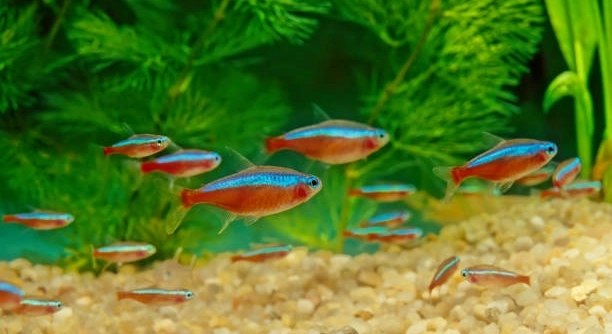
Many aquarium owners enjoy keeping tetras for their vibrant colors and active nature. However, feeding these small fish too much can lead to problems. Recognizing the signs of overfeeding is important to maintain a healthy tank environment.
Overfeeding tetras often causes stress and health issues such as bloating, sluggish behavior, and poor water quality. These symptoms can harm their well-being and reduce their lifespan. Monitoring feeding amounts and observing behavior helps prevent these negative effects.
Knowing the signs of stress and overfeeding will help you care better for your tetras and keep your aquarium balanced and thriving.
Signs of Bloating in Your Tetras
Bloating is one of the most obvious signs that your tetras are overfed. When they eat too much, their stomachs swell, and they may appear rounder than usual. This can make swimming difficult and uncomfortable for the fish. You might notice that they stay near the surface or bottom of the tank, avoiding active movement. Bloating can also lead to other health issues like swim bladder problems, which affect balance and orientation. To prevent this, feed your tetras small amounts that they can finish within two minutes. Overfeeding often results in uneaten food sinking to the bottom, which pollutes the water and stresses the fish even more.
In addition to bloating, a distended belly often signals digestive troubles. Keeping an eye on feeding habits helps maintain your tetras’ health.
Consistent monitoring of your tetras’ body shape and behavior is key. Adjusting feeding frequency and quantity can reverse bloating early on, improving their comfort and overall tank conditions.
Changes in Behavior from Overfeeding
When tetras are overfed, they often become lethargic and less responsive to their environment. You may notice them hiding more or staying still for long periods. Overfeeding can reduce their energy levels because excess food affects their digestion and overall health. Sometimes, stressed fish swim erratically or gasp at the water’s surface due to poor water quality caused by leftover food decaying. This change in behavior indicates their discomfort and the need for immediate intervention. Ensuring the tank is clean and feeding only what is necessary can help restore their normal activity.
Poor water quality from excess food waste makes it harder for tetras to breathe and swim well.
Maintaining a balanced feeding schedule and monitoring behavior are critical steps. Reducing feeding amounts and regular water changes improve water quality, reducing stress and encouraging your tetras to regain their usual lively behavior. Avoid overfeeding to keep their tank environment healthy and stable.
Uneaten Food and Tank Cleanliness
Uneaten food from overfeeding quickly settles at the bottom, leading to water pollution. This leftover waste breaks down and produces harmful chemicals, affecting your tetras’ health. Keeping the tank clean helps prevent stress caused by poor water quality.
Food particles decay and increase ammonia and nitrate levels, which are toxic to fish. These substances reduce oxygen availability and can cause fin rot or other infections. Over time, dirty water encourages algae growth, which further destabilizes the tank environment. Regularly removing uneaten food and performing partial water changes are essential to maintain water quality. Monitoring feeding habits prevents excess food buildup. Proper filtration supports water clarity and removes harmful substances, reducing stress for your tetras.
A clean tank environment supports healthy fish behavior and prevents illness. Addressing uneaten food promptly ensures your aquarium remains a safe habitat. Proper maintenance reduces the risk of long-term damage caused by overfeeding.
Physical Signs of Stress
Stress in tetras often appears as faded colors and clamped fins. These changes indicate poor health and discomfort. Stress reduces immunity and makes fish vulnerable to disease.
When tetras are stressed, their natural bright colors dull, signaling they are not well. Clamped fins, where fins are held close to the body, show they are trying to conserve energy or protect themselves. Prolonged stress weakens the immune system, increasing the risk of infections and parasites. Other signs include rapid breathing and isolation from other fish. These symptoms often result from environmental factors, including overfeeding and poor water quality. Timely adjustment of feeding routines and improved tank care can help reduce stress and restore their vibrant appearance.
Excess Waste Production
Overfeeding leads to increased waste from your tetras. More food means more fish waste, which can overwhelm the tank’s filtration system.
This extra waste causes water quality to decline faster, increasing ammonia and nitrite levels. Poor water quality stresses fish and can cause illness.
Reduced Oxygen Levels
Too much food decomposes and uses oxygen in the water. This lowers oxygen availability for your tetras, making it harder for them to breathe.
Maintaining a balanced feeding schedule and good filtration helps keep oxygen levels stable, supporting your fish’s health and activity.
Uneven Growth Among Tetras
When tetras are overfed, some may grow faster than others due to competition. This can create stress and imbalance in the tank hierarchy.
Uneven growth may also indicate that weaker fish are not getting enough food while stronger ones overeat. Feeding smaller portions more frequently encourages even distribution and healthy growth for all fish.
Cloudy Water Appearance
Cloudy or murky water is a common sign of overfeeding. Excess food and waste particles create this haze.
Regular cleaning and proper feeding amounts keep water clear and healthy for your tetras.
FAQ
How often should I feed my tetras?
Feeding tetras once or twice a day is usually enough. Offer only as much food as they can eat within two minutes to avoid overfeeding. Smaller, more frequent feedings are better than large amounts all at once. This helps maintain water quality and keeps the fish healthy.
What types of food are best for tetras?
Tetras do well on a varied diet that includes high-quality flakes, micro pellets, and occasional frozen or live foods like brine shrimp or daphnia. This variety provides balanced nutrition and keeps your fish interested in their meals.
How can I tell if I am overfeeding my tetras?
Signs include uneaten food sinking to the bottom, cloudy water, and your fish showing signs of stress such as bloating or sluggishness. Observing these signs early helps prevent bigger problems in the tank.
What should I do if my tetras are bloated?
Reduce feeding amounts immediately. Perform a partial water change to improve water quality and consider fasting your fish for a day or two to help their digestion. If bloating continues, check water parameters and seek advice from an aquatic specialist.
How does overfeeding affect tank water quality?
Excess food breaks down into ammonia and nitrites, which are toxic to fish. This pollution stresses your tetras and can lead to illness or death. Keeping feedings small and removing uneaten food helps keep the water clean.
Can overfeeding cause disease in tetras?
Yes. Overfeeding weakens their immune systems by stressing them and degrading water quality. This makes them more susceptible to infections such as fin rot, ich, and fungal diseases.
Is it okay to feed my tetras human food scraps?
It is not recommended. Human foods can upset their digestion or introduce harmful substances. Stick to foods designed for aquarium fish to ensure they get the right nutrients safely.
What role does tank size play in overfeeding?
Smaller tanks are more sensitive to excess food and waste buildup. Overfeeding in a small tank can quickly cause harmful water conditions. Adjust feeding amounts based on tank size and population density to avoid problems.
How do I prevent stress caused by overfeeding?
Feed small, controlled portions and keep the tank clean. Monitor fish behavior daily and maintain proper filtration. Regular water changes and balanced feeding reduce stress and keep your tetras healthy.
Can fasting help if my tetras are overfed?
Yes, occasional fasting (skipping one feeding) allows their digestive systems to rest and clears out excess food in their bodies. However, fasting should not be prolonged and must be done carefully to avoid nutrient deficiencies.
What are the best signs to watch for early stress in tetras?
Watch for faded colors, clamped fins, reduced activity, and hiding more than usual. These early signs mean your fish are uncomfortable and need adjustments in care or feeding.
How important is water testing in preventing issues?
Water testing is crucial. Regular checks for ammonia, nitrites, nitrates, and pH help catch problems early. Maintaining good water quality supports your tetras’ health and prevents stress from overfeeding and waste buildup.
Should I remove uneaten food immediately?
Yes. Removing leftover food prevents it from decomposing and polluting the water. Use a siphon or net to clean the tank after feeding if food remains uneaten.
What changes should I make if my tetras show signs of stress?
Lower feeding amounts, perform water changes, and improve filtration. Keep an eye on water parameters and consider consulting a professional if stress signs persist.
How long can tetras survive without food if overfed?
Tetras can survive several days without food, but skipping one or two feedings can be helpful if they are overfed. Prolonged fasting is not healthy and should be avoided.
Can I feed my tetras vegetables or plant matter?
Tetras are mostly carnivorous but will nibble on some plant matter. Small amounts of blanched vegetables like spinach or peas can aid digestion but should not replace their main diet.
What is the impact of overfeeding on tetra lifespan?
Chronic overfeeding shortens lifespan by causing constant stress, poor water quality, and diseases. Proper feeding and tank care help ensure your tetras live longer, healthier lives.
How often should I clean my tank to prevent problems from overfeeding?
Perform partial water changes of 20-30% weekly or biweekly, depending on tank size and fish load. Regular cleaning prevents waste buildup and maintains good water quality.
Can overfeeding cause aggression in tetras?
While tetras are generally peaceful, overcrowding and poor water conditions caused by overfeeding can increase stress and aggression. Keeping the tank balanced and feeding properly reduces conflicts.
What should I do if I notice cloudy water after feeding?
Reduce feeding amounts immediately. Test water parameters and perform a water change if needed. Ensure the filtration system is working well and remove any uneaten food promptly.
Is there a feeding schedule I can follow to avoid overfeeding?
Feed once or twice daily with small portions. Watch your fish’s behavior and adjust as needed. Avoid free feeding or leaving food in the tank all day, which encourages overeating.
What are some signs of swim bladder issues linked to overfeeding?
Swim bladder problems include difficulty swimming, floating upside down, or sinking. These symptoms often result from bloating due to overfeeding. Immediate feeding reduction and improved water quality help recovery.
Can tetras eat too little if I reduce feeding to avoid overfeeding?
Feeding too little is less common but can occur. Watch for weight loss or lethargy. Adjust feeding gradually to find the right balance that keeps your fish healthy and active.
How do I balance feeding multiple species in a community tank?
Feed species-appropriate amounts for each type of fish and avoid overfeeding any group. Use target feeding techniques and monitor all fish to ensure everyone gets enough without excess waste.
Are commercial foods enough for tetras’ nutritional needs?
High-quality commercial foods meet most dietary needs. Supplementing with occasional live or frozen foods boosts nutrition and mimics their natural diet.
What role does temperature play in feeding and digestion?
Tetras digest food faster in warmer water and slower in cooler conditions. Adjust feeding amounts accordingly, feeding less in cooler temperatures to avoid leftover food and digestive issues.
Can I use automatic feeders to control overfeeding?
Automatic feeders can help control portion sizes and feeding times. They reduce the risk of accidental overfeeding but should be used carefully to match your tetras’ needs.
How soon can I expect improvement after adjusting feeding habits?
Behavior and water quality can improve within days after changes. Physical recovery, like reduced bloating or regained color, may take longer, depending on the fish’s condition.
Is it necessary to quarantine new fish to prevent overfeeding issues?
Quarantine helps detect illness but also allows control over initial feeding. Introducing new fish gradually helps monitor their intake and reduces stress on the main tank.
What should I do if I’m unsure about how much to feed?
Start with very small portions and observe if the food is eaten quickly. Adjust amounts based on fish response, tank size, and population. When in doubt, less is better than more.
Overfeeding tetras is a common issue that can cause serious problems for both the fish and the aquarium environment. It often starts with good intentions, as many want to make sure their fish are well-fed and healthy. However, giving too much food leads to bloating, stress, and poor water quality. Recognizing the signs early helps prevent long-term damage. Monitoring feeding amounts carefully and observing your tetras’ behavior are simple steps that can make a big difference. Feeding only what they can eat quickly and removing any uneaten food helps keep the tank clean and safe.
Maintaining good water quality is essential when caring for tetras. Overfeeding causes excess waste, which releases harmful substances like ammonia and nitrites into the water. These chemicals put stress on fish and can lead to illness or death if not addressed. Regular water changes and proper filtration support a healthy environment. Keeping the tank clean also reduces algae growth and prevents cloudy water, making the tank a better place for your fish. Small adjustments in feeding routines combined with tank maintenance improve the overall health and lifespan of your tetras.
Understanding your tetras’ needs helps build a balanced aquarium. Each fish requires the right amount of food and clean water to thrive. Paying attention to signs like bloating, faded colors, or changes in behavior allows you to act quickly if problems arise. Overfeeding is avoidable with a careful approach to feeding schedules and portions. By focusing on these key areas, you create a stable habitat where your tetras can live actively and happily. Consistent care and awareness ensure your aquarium remains a pleasant space for both you and your fish.

Hello,
If you enjoy the content that we create, please consider saying a "Thank You!" by leaving a tip.
Every little bit helps us continue crafting quality advice that supports the health, happiness, and well-being of pets around the world, for pets of all shapes, sizes, and species.
We really appreciate the kindness and support that you show us!