
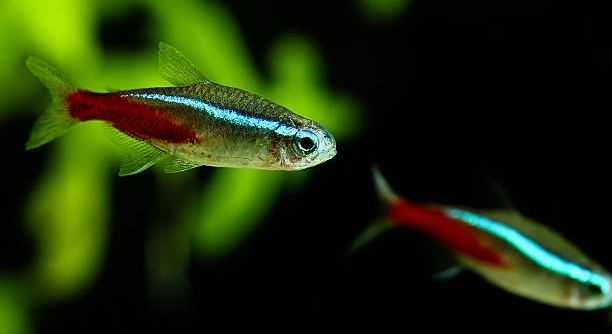
Tetras are small, peaceful fish that thrive best in environments where they feel safe and comfortable. Choosing the right plants for their aquarium can create a secure and calming space. Healthy plants also help maintain good water quality.
Plants like Java fern, Anubias, and Amazon sword are excellent choices for tetra tanks. These plants provide hiding spots, reduce stress, and mimic their natural habitat, promoting well-being and natural behavior in tetras. Their sturdy leaves and low maintenance needs make them ideal.
Knowing which plants suit your tetra tank can help you create a peaceful home for your fish. This guide highlights the best options to keep your tetras happy and secure.
Java Fern: A Sturdy and Easy Choice
Java fern is one of the most popular plants for tetra tanks because it is tough and easy to care for. It can grow well in low light and doesn’t require special substrate since it attaches to rocks or driftwood. This plant offers plenty of hiding places, making tetras feel safe when they need to rest or escape from light. Its long, broad leaves give fish space to swim around without feeling crowded. Java fern also helps keep water clean by absorbing nutrients that could otherwise promote algae growth. Its slow growth means it won’t need frequent trimming, which is convenient for busy aquarium owners.
Because Java fern thrives without much fuss, it fits well in many setups. Tetras often use its leaves as shelter, which lowers their stress and keeps them healthy. This plant can live for years, making it a lasting addition to the tank.
Many people find Java fern ideal for tanks with active tetras. Its resilience supports a stable environment, reducing sudden changes in water quality. Plus, its natural look enhances the tank’s appearance without overpowering the fish.
Anubias: Low Maintenance and Protective
Anubias is a favorite because it grows slowly and is very sturdy.
Anubias plants have thick leaves that create safe hiding spots for tetras. They do not need much light or special care, making them perfect for beginners. Their broad leaves give fish shelter from bright lights and sudden movements. Anubias can be attached to rocks or driftwood, which adds to the tank’s natural look without disturbing the substrate. This plant also helps improve water quality by absorbing excess nutrients. Its slow growth means less trimming and maintenance, which many aquarium owners appreciate. Because Anubias is so tough, it often outlasts other plants in the tank, offering long-term security for tetras.
Adding Anubias to your tank can improve both the fish’s comfort and the aquarium’s balance. Its protective leaves reduce stress and promote natural behaviors in tetras, helping them thrive in captivity.
Amazon Sword
Amazon sword plants are great for creating dense areas where tetras can hide and feel secure. Their tall, broad leaves offer good cover and help keep the tank environment stable.
These plants need moderate lighting and a nutrient-rich substrate to thrive. They grow fairly quickly and can reach the top of the tank, creating natural shade. Tetras enjoy swimming around the Amazon sword because it mimics their natural environment. The plant also helps filter the water by absorbing excess nutrients, which keeps algae growth under control. Proper care includes occasional fertilizing and trimming to prevent overcrowding.
While Amazon swords require a bit more attention than Java fern or Anubias, they reward owners with lush greenery and strong shelter. Their size and structure make them perfect for larger tanks, offering multiple hiding spots that reduce stress for the fish.
Hornwort
Hornwort is a floating or rooted plant that provides excellent cover and oxygen for tetras.
It grows quickly and does well in various water conditions, making it easy to maintain. Hornwort’s feathery leaves create a safe space for fish to hide and rest. This plant does not need a substrate since it can float freely or anchor itself with minimal effort. It helps improve water quality by absorbing nutrients and reducing nitrates, which benefits both fish and other plants. Because of its rapid growth, regular trimming is necessary to prevent it from taking over the tank. Hornwort works well in tanks with tetras because it offers shade and shelter without requiring complicated care, making the fish feel more secure.
Water Wisteria
Water wisteria grows quickly and creates a thick, bushy area for tetras to hide in. It tolerates a wide range of water conditions, making it a flexible choice for many tanks.
Its delicate, lace-like leaves provide excellent cover. This plant also helps absorb excess nutrients, improving water quality naturally.
Ludwigia Repens
Ludwigia repens adds a splash of color with its red and green leaves, which can brighten any tank. It grows well in moderate light and prefers nutrient-rich substrate. This plant creates dense thickets that give tetras places to explore and hide, reducing stress and encouraging natural behavior.
Cryptocoryne
Cryptocoryne plants are slow-growing but provide sturdy cover with their thick, broad leaves. They thrive in low to moderate light and help maintain water quality by absorbing excess nutrients. Their compact size makes them suitable for smaller tanks or as foreground plants.
What plants are safest for tetras?
Plants like Java fern, Anubias, Amazon sword, Hornwort, Water wisteria, Ludwigia repens, and Cryptocoryne are all safe for tetras. They do not release harmful chemicals into the water and offer plenty of hiding spots. These plants create a natural environment similar to the tetras’ native habitat, helping reduce their stress levels and encouraging natural behaviors.
How do plants help tetras feel secure?
Plants provide shelter and hiding places, which are essential for tetras because they are small and can be easily startled. Thick leaves and dense growth make the fish feel protected from potential threats or bright lights. This safe space lowers their stress, which supports better health and activity. Plants also help by creating a calm and stable environment in the tank, both visually and chemically.
Can I use artificial plants instead of live plants?
Artificial plants can offer hiding places but lack the benefits live plants provide. Live plants improve water quality by absorbing nutrients and producing oxygen, which helps keep the aquarium balanced. They also create a more natural setting for tetras, which contributes to their well-being. Artificial plants don’t offer these advantages and sometimes have rough edges that could harm delicate fish fins.
How much light do these plants need?
Most of the plants recommended for tetras prefer low to moderate light. Java fern and Anubias grow well in low light, making them easy to maintain. Amazon sword, Ludwigia repens, and Water wisteria need moderate light to grow healthy leaves. Hornwort adapts well to different light levels but grows faster with more light. It’s important to avoid very strong lighting that might stress tetras or cause excessive algae.
How often should I trim aquarium plants?
Trimming depends on the plant and tank conditions. Fast growers like Hornwort and Water wisteria may need trimming every few weeks to prevent overcrowding. Slower growers like Anubias, Java fern, and Cryptocoryne require less frequent trimming, maybe every couple of months. Trimming helps keep the tank tidy and ensures that plants do not block too much light or reduce swimming space for tetras.
Do live plants affect water parameters?
Yes, live plants can influence water parameters in a positive way. They absorb nitrates and other waste products, which helps keep ammonia and nitrite levels low. This creates a healthier environment for tetras. Some plants also release oxygen during photosynthesis, improving oxygen levels in the tank. However, dead or decaying plant matter can harm water quality, so regular maintenance is necessary.
Can tetras eat live plants?
Tetras generally do not eat live plants, but some species might nibble on soft leaves occasionally. Most recommended plants like Java fern, Anubias, and Amazon sword have tough leaves that discourage feeding. If you notice damage, it’s often caused by other tank mates or poor water conditions rather than the tetras themselves.
How do I introduce plants to a new tetra tank?
Start by planting or placing plants in the tank before adding tetras. This gives plants time to settle and improve water conditions. Make sure the plants are healthy and free from pests or algae. When introducing tetras, arrange plants to create hiding spots near the edges and open swimming areas in the center. This setup helps tetras explore safely while feeling secure.
Are some plants better for baby tetras?
Yes, dense and fine-leaved plants like Hornwort and Water wisteria are excellent for baby tetras. They provide more cover, helping protect fry from being eaten by adults or other fish. These plants also reduce water flow, which is better for the delicate young fish. Smaller plants with thick leaves, like Cryptocoryne, can also serve as safe spots for young tetras to rest.
What are common problems when keeping plants with tetras?
The main problems include algae growth, plants outgrowing the tank, and fish uprooting or damaging plants. Algae can be controlled by balancing light and nutrients and keeping the tank clean. Overgrowth is managed by regular trimming. Some active tetras may disturb plants, so attaching plants like Java fern or Anubias to driftwood or rocks is helpful. Choosing hardy plants reduces these issues.
How do I care for plants in a tetra tank?
Care involves providing the right light, trimming as needed, and occasionally adding fertilizers designed for aquariums. Test the water regularly to ensure stable parameters. Avoid chemicals or treatments harmful to both fish and plants. Removing dead leaves and cleaning the tank help prevent decay and maintain a healthy environment for plants and tetras alike.
Choosing the right plants for a tetra tank is important for the health and happiness of your fish. Plants like Java fern, Anubias, and Amazon sword create safe places where tetras can hide and feel comfortable. These plants also help keep the water clean by absorbing waste and providing oxygen. When the tank feels secure and natural, tetras show better behavior and are less stressed. A well-planted tank can also look beautiful, making your aquarium a pleasant space to watch and enjoy.
It is important to remember that different plants have different care needs. Some plants, like Hornwort and Water wisteria, grow quickly and need regular trimming to avoid taking over the tank. Others, such as Cryptocoryne and Anubias, grow slowly and require less maintenance. Lighting and water conditions also affect how well plants grow. Choosing plants that match your tank’s setup and your level of experience will help you keep the tank balanced and healthy. With the right care, live plants can thrive alongside your tetras for a long time.
Finally, keeping a planted tank is a continuous process. It takes time to learn how plants and fish interact and what your aquarium needs. Watching your tetras use the plants for shelter and play is rewarding and shows that your efforts are working. Regular care, including trimming plants and monitoring water quality, helps maintain a safe environment. A planted tank provides a better home for tetras and can make your aquarium more enjoyable to maintain. Taking these steps will ensure your tetras feel secure and live healthier lives.

Hello,
If you enjoy the content that we create, please consider saying a "Thank You!" by leaving a tip.
Every little bit helps us continue crafting quality advice that supports the health, happiness, and well-being of pets around the world, for pets of all shapes, sizes, and species.
We really appreciate the kindness and support that you show us!