
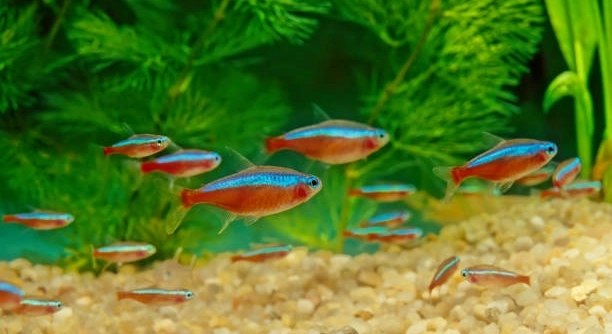
Have you ever noticed your tetra fish acting differently after a move or long trip, and wondered what might be going on?
Tetra fish often show signs of stress after travel due to changes in water conditions, temperature, and handling. These signs may include loss of color, clamped fins, erratic swimming, and refusal to eat, indicating physiological distress.
Recognizing these signs early can help you respond quickly and support your fish’s recovery and long-term health in their tank.
Loss of Color and Faded Appearance
Tetras rely on vibrant colors to communicate health and comfort. When stressed after travel, their bright hues may fade noticeably. This dullness often appears within hours of being introduced to a new tank. The sudden change in water chemistry, lighting, and temperature can overwhelm their systems. Stress affects their ability to regulate pigments, especially when transitioning from one environment to another. Even mild shifts in ammonia, nitrate levels, or pH can trigger this response. If left unaddressed, prolonged discoloration may lead to a weakened immune system. Soft lighting, consistent water parameters, and time to adapt can help restore their natural colors gradually. Avoid excessive tank activity and noise, and allow your tetra space to explore quietly. Test water regularly, and provide a stable, low-stress environment. Consistent feeding, good water quality, and minimal disturbance will all support healing and improved coloration. This symptom is usually the first and easiest to observe.
Color loss signals internal stress. Acting quickly with calm surroundings and good water quality is the best first step.
Keep your tetra’s environment gentle and stable while monitoring color improvement over a few days. Supporting recovery early reduces the risk of ongoing stress.
Clamped Fins and Limited Movement
Clamped fins can appear tight against the body, with little flutter or extension.
Tetras often clamp their fins in response to stress, poor water conditions, or fear. After travel, the most common cause is environmental shock. Moving from one tank to another, even briefly, introduces new bacteria, changes in temperature, and unfamiliar chemical balances. When their immune systems are taxed, they withdraw physically—fins pull in, and they hover near the bottom. This protective posture conserves energy and minimizes attention from perceived threats. To help, dim the lights, reduce outside activity around the tank, and avoid handling or netting them again. Test the water parameters and gradually match the new tank conditions to those of their previous habitat. Stable conditions help encourage natural fin movement again. If you see this behavior paired with rapid gill movement or other symptoms, stress may be worsening. Observing this early can guide you in adjusting care. Recovery often begins within 48 hours if conditions are corrected.
Erratic Swimming or Darting Behavior
Erratic swimming can look like sudden bursts, crashing into objects, or circling nonstop. This behavior often appears after stressful changes in environment or handling. It signals that your tetra feels unsafe or disoriented in its surroundings.
When a tetra darts around the tank, it may be reacting to a sudden shift in temperature, lighting, or water parameters. Fast movement could also be a fear response to loud sounds, bright lights, or other fish. A new tank can feel unfamiliar and overwhelming. Ensure the filter isn’t producing a strong current, and limit outside noise and foot traffic. Keep the tank lighting soft for a few days and give your fish time to adjust. Avoid feeding during the most intense stress moments, and instead focus on stabilizing the environment. Provide plenty of cover using plants or decorations, so the tetra has a safe space to hide and rest quietly.
Erratic movement often slows once the tetra feels safer. A calm setting, proper water quality, and minimal handling help reduce confusion and physical exhaustion. If behavior doesn’t improve within a few days, consider testing for ammonia, nitrites, or an incorrect pH. Also, make sure other fish in the tank aren’t causing additional stress through chasing or aggression.
Loss of Appetite or Spitting Out Food
Some tetras stop eating completely, while others chew food and spit it out repeatedly. Both signs suggest the fish is overwhelmed or unwell. Eating becomes difficult when stress affects digestion or sense of safety in the tank.
After travel, changes in water chemistry or temperature can affect a tetra’s metabolism and interest in food. Stress can also suppress hunger, especially in unfamiliar environments. If your fish refuses food for a day or two, this isn’t always alarming. Try feeding smaller portions, and avoid introducing new foods right away. Stick to familiar flakes or pellets until your tetra regains interest. Watch closely—spitting out food may also hint at parasites or mouth injuries. Provide a quiet feeding time without distraction from lights or other tank mates. Remove uneaten food promptly to maintain water quality. Encourage healthy eating by offering food at the same time daily, so your fish builds a routine again.
Gasping at the Surface
When a tetra stays near the surface, it may be struggling to get enough oxygen. This behavior often follows a recent tank move, especially if water conditions weren’t properly matched or aeration is low.
Poor water circulation or elevated ammonia can quickly lower oxygen levels. A stressed tetra may respond by gasping.
Hiding Constantly or Staying Still
Tetras that remain hidden for long periods are likely feeling insecure or overwhelmed. This can happen after transport, especially if there’s too much movement or noise around the tank. Provide plants or shelters to create safe zones that allow the fish to feel protected.
Flashing or Rubbing Against Objects
Flashing is when a tetra rubs its body on decorations, gravel, or tank walls. It can mean the fish is trying to relieve discomfort, often caused by skin irritation or external parasites. After travel, this may stem from sudden water changes or stress.
Rapid Gill Movement
Rapid gill movement is usually a sign of distress. It often points to poor water quality or lack of oxygen.
FAQ
How long does tetra stress usually last after travel?
Stress symptoms can last anywhere from a few hours to several days. It depends on how much the water conditions changed and how gently the fish was handled. Most healthy tetras start to relax within 24–48 hours if the environment is stable. You should see signs of improvement like brighter color, more movement, and interest in food. If stress signs continue after three or four days, check for possible issues like poor water quality, bullying from other fish, or illness. Early response and a peaceful tank setup usually shorten the recovery time.
Is it normal for tetras to not eat right after moving?
Yes, it is very common for tetras to skip meals for a day or two after being moved. Stress can lower their appetite, and they might not recognize new food or feel safe enough to eat. Try offering small portions of their usual food in a quiet tank. Avoid overfeeding during this time, as uneaten food can spoil the water. Once they begin to feel more secure, they’ll usually start nibbling again. If appetite doesn’t return after three days, observe for signs of illness or parasites.
Can stress from travel lead to disease in tetras?
Yes, stress can weaken a tetra’s immune system and make them more likely to get sick. Common problems include ich (white spot disease), fin rot, or bacterial infections. These can show up shortly after moving if stress is high and water conditions are poor. Good tank hygiene, clean water, and a calm setting are the best ways to prevent illness. If you see white spots, ragged fins, or unusual behavior, treat the tank right away. Early action keeps the problem from spreading to other fish.
Should I isolate a stressed tetra?
Not usually, unless it’s being attacked or is showing signs of a contagious illness. Most stressed tetras recover better in a stable community setting, especially if they’re part of a school. Being alone can cause more fear. Instead of moving the fish again, try to make the main tank calm and safe. Turn off bright lights, reduce noise, and add hiding spots. If a tetra is injured or sick, use a separate quarantine tank for treatment.
How do I tell if it’s stress or illness?
It can be hard to tell at first. Stress symptoms like clamped fins, loss of color, or hiding are common after travel. If these signs improve in a day or two, it’s likely just stress. Illness may involve other symptoms like white spots, swelling, torn fins, or fuzzy patches. Watch your tetra closely. If behavior or appearance worsens, or if other fish begin acting oddly, it may be something more serious. Water tests can also help rule out toxic conditions that cause both stress and sickness.
Does the size of the tank matter after travel?
Yes, tank size affects recovery. A small or crowded tank can raise stress levels, especially after a move. Tetras need room to swim and explore. A 10-gallon tank is the minimum for a small group, but more space is better. A larger tank helps keep water conditions stable and gives your fish more space to feel safe. If your tetra was moved from a bigger tank to a smaller one, the adjustment can be harder. Providing space, plants, and calm surroundings makes a big difference.
Can frequent travel harm my tetra long-term?
Yes, repeated moves can cause long-term stress and weaken the immune system over time. Tetras prefer consistency. Frequent changes in water conditions, temperature, and tank mates can wear them down. If you must move your tetra more than once, plan ahead. Use clean transport containers, match water parameters, and let them adjust slowly when reintroducing them to the main tank. Giving them time to rest and recover between moves helps reduce long-term effects.
What are the best ways to support a tetra’s recovery after travel?
Keep the tank quiet, stable, and clean. Make sure the temperature, pH, and water hardness match their original conditions as closely as possible. Use a water conditioner during transport and after arrival. Provide cover like plants or decorations to reduce visibility and allow hiding. Feed a small amount of familiar food once they seem calm. Avoid sudden changes or loud noises near the tank. Let your tetra settle in at its own pace and monitor behavior daily. Small, thoughtful actions go a long way.
Final Thoughts
Watching your tetra show signs of stress after travel can feel worrying, especially when their behavior changes quickly. Small fish like tetras are sensitive to movement, water changes, and new environments. Even short trips can leave them unsettled. The good news is that most tetras bounce back with time, care, and a stable home. The key is to notice the early signs—like faded color, hiding, or strange swimming—and act calmly. A quiet tank, proper lighting, and consistent feeding routines help your fish feel safe again. Simple adjustments can make a big difference in your tetra’s recovery.
Stress is a natural reaction, not always a sign that something is seriously wrong. Tetras need a little space and time to adjust, especially if they’ve just been moved or introduced to a new setup. Water quality plays the biggest role in their overall well-being. Keeping ammonia, nitrites, and temperature steady helps prevent added strain. Try not to handle your fish or change things in the tank too often during the first few days. Instead, observe from a distance. If they start to swim more normally, eat, and show brighter colors, you’ll know they’re getting better. Watching this progress can also be reassuring.
Caring for fish means learning to recognize their behavior and what it might mean. Not every sign points to illness, and not every issue needs medication. Tetra stress can look serious at first but usually fades with the right conditions. Your fish depends on you for a calm, safe place to live—and you don’t need fancy tools or treatments to offer that. Simple things like clean water, quiet surroundings, and a good filter go a long way. By noticing changes early and giving your tetra time to settle in, you create the kind of environment where they can feel calm again. With a little patience, your fish will return to its usual active self.

Hello,
If you enjoy the content that we create, please consider saying a "Thank You!" by leaving a tip.
Every little bit helps us continue crafting quality advice that supports the health, happiness, and well-being of pets around the world, for pets of all shapes, sizes, and species.
We really appreciate the kindness and support that you show us!