
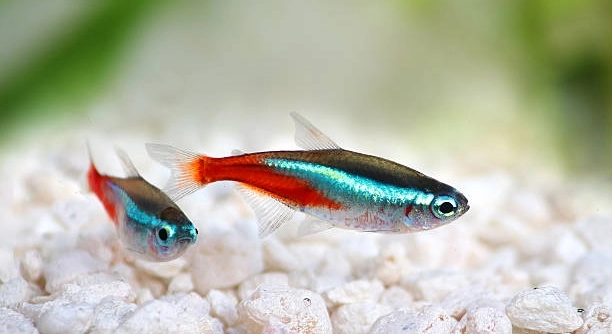
Many tetra owners notice their fish hovering near the heater, which can be concerning. This behavior is common and usually signals the fish’s response to the aquarium environment. Understanding this can help improve their well-being.
Tetras often stay near the heater to regulate their body temperature, especially if the water is cooler than their preferred range. This behavior ensures they maintain proper metabolic function and remain comfortable within their habitat.
Recognizing why your tetra behaves this way can help maintain a stable tank environment and promote healthier fish overall.
Why Tetras Prefer Warmer Water
Tetras are tropical fish that thrive in stable, warm water conditions. When the temperature drops, they instinctively move toward warmer areas like near the heater. This behavior helps them conserve energy and maintain proper bodily functions. If the aquarium temperature is inconsistent or too low, your tetras will frequently gather near the heater to stay warm. Maintaining a steady temperature close to their preferred range (typically 74-80°F) reduces this behavior and promotes better health. Sudden temperature changes can stress fish, making them more vulnerable to illness. Regularly monitoring and adjusting your tank’s heater ensures a comfortable environment. Along with proper temperature, clean water and good filtration also contribute to their overall well-being.
Keeping your aquarium at the right temperature prevents tetras from relying too much on heater zones.
Tetras’ need for warmth is linked to their natural habitat in slow-moving, tropical rivers. In those environments, water remains fairly consistent in temperature. When placed in a home aquarium, they seek out warmth to mimic those conditions. This instinctive behavior is key to their survival and comfort. If you notice your tetras constantly near the heater, it may be a sign to check your tank’s temperature stability. Additionally, overcrowding or poor water quality can cause stress, making the fish more likely to stay near the heater as a refuge. Ensuring the tank has a well-balanced ecosystem with proper temperature, clean water, and enough space will keep your tetras active and healthy.
Signs of Temperature-Related Stress in Tetras
If your tetras stay near the heater but also show sluggish movement or loss of appetite, temperature stress may be the cause.
Temperature stress weakens the immune system, making fish prone to disease. Symptoms include faded colors, rapid breathing, and hiding. Sudden cold snaps or fluctuating temperatures can shock tetras, which prefer steady warmth. Maintaining consistent warmth reduces these risks. Use a reliable heater with a thermostat and check water temperature regularly. Avoid placing the aquarium near drafty windows or air conditioners to prevent cold drafts. If stress signs persist, test water quality for other issues like ammonia or pH imbalances, which can worsen health. Regular tank maintenance helps reduce overall stress factors. Proper temperature care, combined with clean water and a balanced diet, supports your tetra’s long-term health and vitality.
Adjusting Your Aquarium Heater
Proper heater placement is essential for maintaining a consistent temperature. Place the heater where water flow distributes heat evenly throughout the tank. Avoid positioning it too close to decorations or corners, which can create hot spots.
Check the heater’s wattage to match your tank size. An undersized heater may struggle to keep water warm, while an oversized one risks overheating. Use a reliable thermometer to monitor temperature regularly. Adjust the heater settings gradually to prevent sudden changes that stress your tetras. Consistency is key to their comfort and health.
If your heater has a built-in thermostat, test it periodically to ensure accuracy. Replace heaters showing irregular performance. Regular maintenance, including cleaning the heater surface, helps prevent malfunction and uneven heating. Maintaining stable warmth avoids the stress that causes tetras to cling near the heater.
Impact of Water Quality on Tetra Behavior
Poor water quality can make tetras seek refuge near the heater, where conditions might feel more stable or comfortable. Contaminants and toxins increase fish stress and affect their behavior.
Regular water changes and proper filtration reduce ammonia, nitrites, and nitrates, which harm fish. Testing water parameters frequently helps identify imbalances early. Clean water encourages natural swimming patterns and reduces dependence on heater areas. Maintaining balanced pH and hardness also supports overall health. Addressing water quality alongside temperature control creates an environment where tetras feel safe and active. This dual approach minimizes stress-related behavior and supports a thriving aquarium community.
Common Tank Setup Mistakes
Placing the heater in an area with poor water circulation can cause uneven temperature zones. This makes some parts of the tank too warm while others stay cold.
Overcrowding the tank stresses tetras, leading them to cluster near the heater for comfort and safety.
Monitoring Tank Temperature
Using a separate, reliable thermometer helps track the tank’s temperature accurately. Built-in heater thermostats can sometimes be faulty or inaccurate, so double-checking ensures stable conditions.
How Lighting Affects Tetra Behavior
Strong or inconsistent lighting may stress tetras, causing them to behave unusually. Providing moderate, consistent lighting helps keep their environment calm and balanced.
Tank Decorations and Heat Flow
Dense decorations near the heater can block heat circulation. Rearranging decor to allow free water movement improves temperature distribution and fish comfort.
FAQ
Why do my tetras keep hovering near the heater?
Tetras hover near the heater mainly to stay warm. They are tropical fish that prefer stable, warm water between 74-80°F. If the tank temperature drops or fluctuates, they instinctively move closer to the heat source to maintain their body temperature. This behavior helps them stay comfortable and supports their metabolism.
Is it normal for tetras to gather in one spot near the heater?
Yes, it is normal if the tank temperature is uneven. Tetras group near the heater because it creates a warmer zone. However, constant clustering could indicate temperature inconsistencies or stress factors such as poor water quality or overcrowding. Ensuring the entire tank has stable and even warmth helps prevent this behavior.
How can I make sure the heater is working correctly?
Use a reliable aquarium thermometer separate from the heater’s built-in thermostat. Check the temperature at different tank points. If the readings are inconsistent or don’t match the heater setting, the heater might be faulty. Regularly clean the heater and inspect it for damage. Replace the heater if it fails to maintain proper temperature.
Can poor water quality cause tetras to stay near the heater?
Yes. Poor water quality causes stress, making fish seek refuge near stable conditions like the heater area. High ammonia, nitrite, or nitrate levels weaken fish and alter behavior. Regular water changes, proper filtration, and frequent testing improve water quality, which helps fish distribute evenly throughout the tank.
Should I worry if my tetras are always near the heater but otherwise seem healthy?
If your tetras are active, eating well, and show no signs of illness, it may just mean your tank temperature is slightly on the cooler side. Still, it’s a good idea to monitor and stabilize the temperature within their preferred range to avoid future stress.
What’s the best way to place the heater for even heat distribution?
Place the heater near the tank’s water flow, such as close to the filter outlet, to help circulate warm water evenly. Avoid putting it in corners or behind dense decorations. Good circulation prevents hot or cold spots and keeps the temperature uniform throughout the aquarium.
Can lighting affect my tetras’ behavior around the heater?
Yes. Intense or inconsistent lighting can stress tetras, causing unusual behavior like hiding or clustering near the heater for comfort. Use moderate, stable lighting that mimics their natural environment. A consistent day-night cycle supports normal activity and reduces stress.
How often should I test my aquarium’s temperature?
Check the temperature daily, especially if you notice behavioral changes. Regular monitoring helps detect fluctuations early. During seasonal changes or power outages, more frequent checks are important to maintain stability.
Is it okay if tetras only stay near the heater during nighttime?
Tetras may seek warmth at night if the room temperature drops. This is normal to some extent. However, if the temperature difference between day and night is large, consider using a heater with a thermostat to keep the tank temperature steady 24/7.
Can overcrowding cause tetras to hover near the heater?
Yes. Overcrowding increases stress and competition for space and resources. Stressed tetras may group near the heater where conditions feel safer. Providing enough space, proper filtration, and good water quality reduces stress and encourages natural swimming patterns.
How does temperature affect tetra metabolism?
Tetras rely on warm water to keep their metabolism active. Cold water slows down bodily functions, making fish lethargic and weak. Keeping the temperature stable supports digestion, immune response, and overall vitality.
What should I do if my heater breaks unexpectedly?
If your heater stops working, quickly move your tetras to a temporary warm environment like a smaller, heated container. Replace the heater as soon as possible. Avoid sudden temperature changes by slowly acclimating the fish back to the main tank once the heater is fixed.
Can a heater that is too strong harm my tetras?
Yes. A heater that overheats the tank can cause stress, burns, or even death. Always use a heater sized for your tank volume and with a reliable thermostat. Overheating is as dangerous as cold temperatures for tropical fish like tetras.
Why do some tetras hide near the heater instead of swimming around?
Hiding near the heater may indicate stress, illness, or discomfort. The heater area feels safer and warmer. Check water quality, temperature stability, and observe for signs of disease. Addressing tank conditions usually helps fish return to normal behavior.
Are certain tetra species more sensitive to temperature changes?
Yes. Species like neon tetras and cardinal tetras are particularly sensitive to temperature fluctuations. They need stable, warm water to thrive. Other species may tolerate wider ranges but prefer consistency for health and activity.
How can I reduce stress in my tetras besides controlling temperature?
Maintain clean water, provide hiding spots, avoid overcrowding, and keep a stable light cycle. Feeding a balanced diet and avoiding sudden changes in the environment also reduce stress. A calm, well-maintained tank encourages healthy, active tetras.
What is the ideal temperature range for tetras?
Most tetras prefer water between 74°F and 80°F. Staying within this range supports their metabolism and immune system. Small variations are acceptable, but frequent or large changes cause stress and may lead to health problems.
Can heater malfunction cause sudden fish deaths?
Yes. Sudden overheating or cooling due to heater failure shocks fish, sometimes fatally. Using a quality heater with a reliable thermostat and backup power source reduces this risk. Regular maintenance and monitoring prevent unexpected malfunctions.
Do tetras adjust to cooler water over time?
Tetras may survive slightly cooler water but do not thrive. Cooler temperatures slow metabolism, reduce immune function, and can cause chronic stress. Providing their preferred warm range is important for long-term health.
Is it necessary to turn off the heater during tank cleaning?
Turn off the heater briefly during water changes to avoid damage and temperature shocks. Make sure to turn it back on after cleaning to maintain stable tank conditions. Avoid removing the heater while it’s hot, as it can crack or malfunction.
How long does it take for the tank to stabilize temperature after adjusting the heater?
It usually takes several hours to a full day for the tank to reach a new stable temperature after changes. Make adjustments slowly to prevent stress. Use a thermometer to monitor the progress and ensure gradual shifts.
Can placing the tank near windows affect heater use?
Yes. Drafts and sunlight cause temperature fluctuations. Avoid placing the tank near windows or doors where cold or warm air affects water temperature. Keeping the tank in a stable room environment supports heater efficiency.
What kind of heater is best for a tetra tank?
A submersible heater with an adjustable thermostat suited to your tank size works best. It offers even heat distribution and precise control. Some models include safety features like automatic shutoff in case of overheating.
How do I know if my tetras are comfortable with the temperature?
Comfortable tetras swim actively, eat well, display bright colors, and show normal social behavior. If they cluster near the heater or hide often, it may indicate temperature or environmental issues needing attention.
Final thoughts on why your tetras hover near the heater focus on understanding their natural needs and maintaining the right tank environment. Tetras are tropical fish that rely on warm, stable water temperatures to stay healthy. When the water is cooler or inconsistent, they instinctively gather near the heater to find warmth. This behavior is normal but can signal that the aquarium temperature or conditions need attention. Paying close attention to your tank’s temperature and making adjustments when necessary helps prevent stress and supports your fish’s overall well-being.
Maintaining a consistent temperature within the preferred range of 74 to 80 degrees Fahrenheit is important for keeping tetras comfortable. A reliable heater placed properly in the tank ensures even heat distribution, avoiding hot or cold spots. Monitoring the temperature regularly with a separate thermometer can help detect any fluctuations early. Alongside temperature control, good water quality and proper tank setup contribute to the health of your fish. Regular water changes, proper filtration, and avoiding overcrowding reduce stress factors that might cause tetras to cluster near the heater for refuge.
Observing your tetras’ behavior provides useful clues about their comfort and health. If they consistently hover near the heater but remain active and eat normally, it usually means the tank is slightly cooler than ideal but not harmful. However, if you notice sluggishness, loss of appetite, or other signs of illness, it’s a signal to check temperature stability and water quality carefully. Providing a balanced environment with steady warmth, clean water, and adequate space helps your tetras thrive and swim freely throughout the tank rather than staying near the heater. This simple approach makes a big difference in the happiness and longevity of your fish.

Hello,
If you enjoy the content that we create, please consider saying a "Thank You!" by leaving a tip.
Every little bit helps us continue crafting quality advice that supports the health, happiness, and well-being of pets around the world, for pets of all shapes, sizes, and species.
We really appreciate the kindness and support that you show us!