
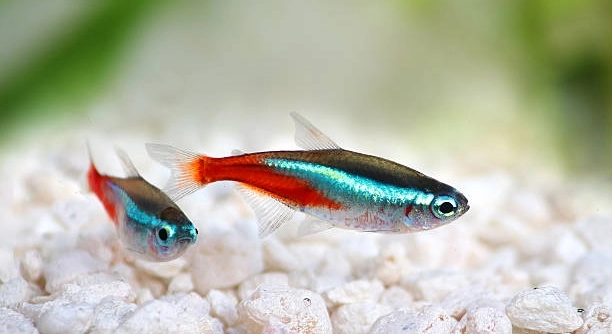
Tank water quality is essential for keeping Tetras healthy and vibrant. Proper care of their aquatic environment ensures they thrive and display their natural colors. Many fish owners seek ways to maintain a balanced and clean tank for these popular pets.
Improving tank water for Tetras involves controlling key factors such as pH levels, temperature, filtration, and regular water changes. Ensuring optimal water conditions reduces stress, prevents diseases, and supports their overall well-being. Maintaining stable water parameters is critical for successful Tetra care.
These simple yet effective steps can make a significant difference in your tank’s health. Understanding how each factor affects your fish will help create a more stable and comfortable environment for them to flourish.
Maintaining Proper pH Levels
Keeping the pH level stable is very important for Tetras. These fish prefer slightly acidic to neutral water, typically between 6.0 and 7.0. When the pH swings too high or too low, it can stress the fish and make them more prone to illness. Regular testing helps catch any changes early. If adjustments are needed, use aquarium-safe pH buffers instead of household chemicals. It is also good to avoid sudden shifts in pH, which can shock the fish. Consistency matters more than hitting a perfect number. Natural decorations like driftwood can help keep the water slightly acidic, mimicking the Tetras’ natural environment. Keeping this balance creates a calm environment where the fish feel secure.
Testing the water weekly is a simple step that pays off. Small pH adjustments over time prevent harmful shocks. Avoid rapid changes for better fish health.
Understanding how pH affects your Tetras helps in choosing the right tank setup. Different fish species have unique pH needs, so research and monitor carefully. Using a high-quality test kit gives accurate results. If the pH is off, frequent partial water changes can help bring it back to the right range. Adding peat moss to the filter or substrate may also lower pH gradually. Maintaining this balance improves the Tetras’ immune systems and supports their vibrant colors.
Proper Filtration and Aeration
A good filtration system keeps the water clean and clear. It removes waste and harmful toxins while providing necessary water circulation. Filters also help keep oxygen levels stable by aerating the water. Tetras need well-oxygenated water to breathe properly, so aeration is just as important as filtration.
Choosing a filter rated for your tank size ensures efficient cleaning. Over-filtering can create strong currents, which stress Tetras. A gentle flow mimics their natural slow-moving habitats.
Using a sponge filter or adjusting the flow rate helps keep the current low. It’s important to clean the filter media regularly without disturbing beneficial bacteria. These bacteria break down waste and help maintain a healthy nitrogen cycle. This balance reduces ammonia and nitrite levels, which are toxic to fish. Adding an air stone or air pump can increase oxygen levels, especially in warmer water when oxygen decreases. Together, filtration and aeration create a safer and more comfortable tank environment for your Tetras. Regular maintenance prevents buildup that can harm water quality, ensuring long-term tank stability.
Regular Water Changes
Performing regular water changes helps keep the tank environment clean and stable. Replacing 20-30% of the water weekly removes toxins and refreshes minerals.
Water changes reduce nitrate buildup, which can be harmful to Tetras if left unchecked. Using a gravel vacuum during changes removes leftover food and waste from the substrate. Always use dechlorinated water at the same temperature as the tank to avoid stressing the fish. This routine prevents sudden water parameter shifts and promotes a healthier tank environment.
Inconsistent or infrequent water changes allow waste to accumulate, leading to poor water quality. This can cause Tetras to become sluggish or develop diseases. Keeping a schedule for water changes supports their immune system and keeps the tank looking clear. It also helps maintain stable pH, ammonia, and nitrite levels, which are essential for fish health. Regular care like this can prevent many common tank problems before they start.
Proper Feeding Practices
Overfeeding can quickly pollute the tank, harming Tetras. Feeding small amounts once or twice daily is enough.
Uneaten food decomposes, increasing ammonia and nitrate levels. Feeding only what your fish can consume in a few minutes prevents waste buildup. A varied diet including flakes, frozen, or live foods ensures proper nutrition. Removing leftover food after feeding helps maintain water quality.
Consistent feeding times and amounts reduce stress and keep Tetras healthy. Adjust feeding based on their activity and appetite. Monitoring their behavior helps identify if feeding amounts are right. Feeding with care supports their energy levels and enhances their colors, contributing to their overall well-being in the tank.
Temperature Control
Tetras thrive in temperatures between 72°F and 78°F. Keeping the temperature stable avoids stress and health issues. Sudden temperature changes weaken their immune system.
Using an aquarium heater with a reliable thermostat helps maintain consistent warmth. Avoid placing the tank near drafts or direct sunlight to prevent fluctuations.
Avoiding Overcrowding
Overcrowding increases waste and stress, harming water quality. A good rule is one inch of fish per gallon of water. Too many fish can cause oxygen depletion and aggressive behavior. Keeping the right number ensures a balanced and healthy tank environment.
Using Live Plants
Live plants improve water quality by absorbing nitrates and producing oxygen. They also create hiding spots, reducing stress for Tetras. Adding hardy plants like Java fern or Anubias supports a natural and stable tank ecosystem.
Regular Monitoring
Monitoring water parameters regularly helps catch problems early. Keeping track of pH, ammonia, nitrite, and nitrate levels prevents issues from worsening. Consistent checks allow quick action to maintain ideal conditions for your Tetras.
FAQ
What is the ideal pH level for Tetras?
Tetras prefer a pH between 6.0 and 7.0. This range closely matches their natural habitat, which is slightly acidic to neutral water. Maintaining a stable pH in this range helps prevent stress and illness. Sudden shifts in pH can shock the fish, so gradual changes are important. Regular testing will help keep the pH within this ideal range.
How often should I change the water in my Tetra tank?
It is best to change about 20-30% of the tank water every week. This helps remove toxins like nitrate that build up over time. Using a gravel vacuum during water changes also removes uneaten food and waste from the substrate. Always treat tap water with a dechlorinator and match the temperature to the tank water to avoid stressing your fish.
Can I keep Tetras with other fish?
Yes, Tetras are generally peaceful and do well with other small, non-aggressive fish. Good tank mates include guppies, rasboras, and small catfish like Corydoras. Avoid larger or aggressive species that might bully or eat Tetras. Overcrowding should be avoided to reduce stress and maintain good water quality.
What should I feed my Tetras?
A varied diet is best for Tetras. High-quality flake food, frozen or live foods like brine shrimp and bloodworms provide balanced nutrition. Feed small amounts once or twice a day, giving only what they can eat within a few minutes. Remove any uneaten food to keep the water clean.
How important is tank temperature for Tetras?
Tank temperature is very important. Tetras thrive between 72°F and 78°F. Keeping the temperature steady reduces stress and helps their immune system stay strong. Sudden changes can cause illness. Use an aquarium heater with a thermostat and avoid placing the tank near drafts or direct sunlight.
What type of filter should I use for a Tetra tank?
A filter rated for your tank size is essential. It should provide gentle water flow to avoid stressing the Tetras. Sponge filters or adjustable filters are good options. Filters help remove waste and harmful toxins, keeping the water clean. Clean the filter media regularly without disturbing beneficial bacteria.
How do live plants help my Tetra tank?
Live plants improve water quality by absorbing nitrates and producing oxygen. They also offer hiding places, which reduce stress for the fish. Hardy plants like Java fern and Anubias are easy to care for and create a more natural environment. Plants also help keep the tank stable by supporting the nitrogen cycle.
What signs show that my Tetras are stressed?
Signs of stress include faded colors, lethargy, hiding more than usual, or erratic swimming. Stress can be caused by poor water quality, improper temperature, overcrowding, or sudden changes in the environment. Addressing these factors quickly will help your Tetras recover and stay healthy.
How do I avoid ammonia buildup in the tank?
Ammonia buildup happens when waste breaks down and the tank’s biological filter isn’t keeping up. Regular water changes, not overfeeding, and a good filter help prevent ammonia spikes. Testing water regularly and using products that detoxify ammonia can also protect your fish.
Is it necessary to quarantine new fish before adding them to the tank?
Yes, quarantining new fish for at least two weeks is recommended. This helps prevent introducing diseases or parasites to your main tank. Keep the new fish in a separate tank with similar water conditions and monitor for signs of illness before adding them to your Tetras’ tank.
Final Thoughts
Maintaining good water quality for your Tetras requires consistent attention and care. Small actions, like regular water changes, checking pH levels, and feeding appropriate amounts, make a big difference in their health and happiness. It is easy to overlook these details, but they are essential to creating a stable environment. When water conditions are stable and clean, Tetras are less likely to become stressed or sick, which means they can live longer and show their best colors. Keeping track of the tank’s condition doesn’t have to be complicated. Using simple tools like test kits and timers for water changes can help keep everything on schedule without feeling overwhelming.
Another important part of caring for Tetras is understanding their natural needs and habits. They prefer a calm, slightly acidic environment with gentle water flow. Adding live plants and avoiding overcrowding helps mimic their natural surroundings, making them feel more comfortable. Proper filtration and aeration keep the water clean and oxygen-rich, supporting their breathing and overall well-being. Feeding them a balanced diet in small amounts avoids water pollution and helps maintain good tank health. Paying attention to these factors supports a balanced ecosystem, which benefits not just the fish but also the overall tank environment.
Finally, patience and observation are key when caring for Tetras. Changes in behavior or appearance often signal that something is off with the tank conditions. Regular monitoring allows you to catch issues early before they become serious problems. It is important to be patient when making adjustments, such as correcting pH or temperature, since sudden changes can harm the fish. Following a steady routine and keeping the tank clean will create a safe space for your Tetras to thrive. With consistent effort, your tank will become a healthy home where these colorful fish can flourish and bring enjoyment for a long time.

Hello,
If you enjoy the content that we create, please consider saying a "Thank You!" by leaving a tip.
Every little bit helps us continue crafting quality advice that supports the health, happiness, and well-being of pets around the world, for pets of all shapes, sizes, and species.
We really appreciate the kindness and support that you show us!