
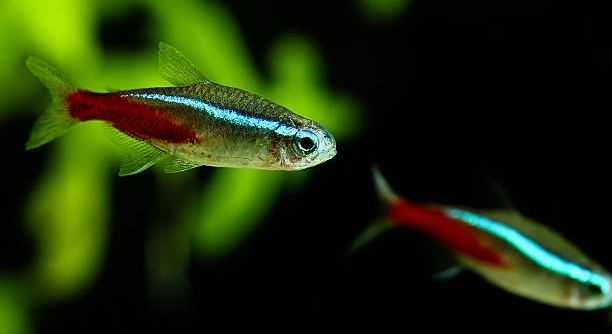
Is your tetra constantly skimming the surface, making you wonder if something might be wrong with its environment or routine?
Tetra skimming at the surface is often caused by poor water quality, low oxygen levels, high temperatures, stress, overcrowding, poor diet, or illness. Each of these factors can disrupt your fish’s behavior and overall health.
Understanding these causes can help you create a safer, more stable aquarium environment for your tetra to thrive in.
Poor Water Quality
Tetras are sensitive to water conditions, and poor water quality is one of the most common causes of surface skimming. Ammonia and nitrite buildup, unstable pH levels, or high nitrate concentrations can affect their behavior. When toxins rise, oxygen becomes less available, and tetras often move toward the surface to breathe more easily. Unclean gravel, uneaten food, and infrequent water changes can quickly create these conditions. If your tank has cloudy water, foul smells, or visible debris, it likely needs immediate attention. Testing your water regularly using test strips or liquid kits helps prevent these problems. Maintaining consistent parameters, doing regular partial water changes, and cleaning your filter are essential parts of healthy tank care. Poor water quality doesn’t always show obvious signs, but it has a big impact on your fish’s health and behavior, including how much time they spend near the surface.
Always clean the tank gently to avoid stressing your fish.
A balanced and clean environment gives your tetras the stability they need. When water conditions are stable, they feel safer and swim more freely in all parts of the tank.
Low Oxygen Levels
Tetras may skim the surface when oxygen levels in the tank are too low. They instinctively seek more oxygen-rich areas, which are usually found near the top.
Low oxygen is often caused by poor water movement, high temperatures, or overcrowding. Warmer water holds less oxygen, so a heater set too high can make a difference. Overcrowding also increases the oxygen demand, leaving less for each fish. Filters with weak flow or tanks without additional air sources can quickly lead to these conditions. Adding an air stone, adjusting the filter for more surface movement, or slightly lowering the temperature can help. Live plants also contribute to better oxygen levels, especially during the day. If you notice your tetras gasping, swimming awkwardly, or becoming lethargic, oxygen deficiency could be to blame. Regular observation, along with good maintenance practices, keeps oxygen levels stable and reduces surface-skimming behavior.
High Water Temperature
When tank water gets too warm, it holds less oxygen, causing tetras to swim closer to the surface. This is where oxygen levels are slightly higher, especially if the water isn’t moving well. Overheating can also increase stress and lead to other health problems.
Tetras thrive in temperatures between 72°F and 78°F. Anything higher can start to affect their comfort and behavior. Heaters without a thermostat or tanks placed near windows or heating vents often lead to fluctuating or high temperatures. If you see your tetras skimming the surface more often during warmer months, it’s worth checking the water temperature regularly. Use a reliable thermometer and consider installing a small fan or adjusting the lighting schedule to reduce heat. A stable temperature not only prevents surface skimming but also helps your tetras stay active, colorful, and healthy throughout the day. They need consistency to feel secure in their environment.
When temperatures are stable and within the right range, tetras breathe easily and swim comfortably. Constant fluctuations make them restless and may lead to long-term health concerns. If your home’s temperature changes frequently, try adjusting the room or tank placement. This helps reduce the impact of seasonal heat and avoids accidental overheating.
Stress from Environment
Stress affects how tetras behave, often causing them to act unusually, including skimming near the surface. Sudden noise, bright lights, or fast changes in water conditions are all stress triggers. These can build up over time or happen all at once.
Tetras are small, peaceful fish that thrive in calm, predictable environments. Too much stress makes them nervous, pushing them to swim at the surface or hide often. Rearranging decor frequently or using harsh lighting can also upset them. It helps to keep lighting soft and maintain a consistent schedule for feeding and cleaning. Avoid loud noises near the tank and sudden movements. If you’ve recently added new tankmates, that can be another source of stress. Make sure any new fish are peaceful and not aggressive or too active. A steady routine and quiet surroundings go a long way in helping your tetras stay calm, relaxed, and comfortable.
Overcrowding
Too many fish in one tank reduces available oxygen and increases waste, which can make tetras uncomfortable. They may begin to swim at the surface in search of cleaner, more oxygen-rich water. A crowded space also leads to more stress and territorial behavior.
Keep tetras in groups, but avoid going beyond the tank’s capacity. A general guideline is one inch of fish per gallon of water. Overcrowding also makes filtration less effective, causing faster water pollution. A well-spaced tank encourages healthier swimming habits and balanced behavior across the tank.
Poor Diet
A poor diet can weaken your tetras, making them behave oddly, including staying near the surface more than usual. Lack of proper nutrients may cause sluggishness, digestive issues, or breathing difficulty. Feeding them only flakes or outdated food may lead to long-term health problems.
Illness or Infection
Sick tetras often stay near the surface because it’s easier to breathe there. This behavior can signal internal infections, gill issues, or parasites.
FAQ
Why do my tetras keep swimming to the surface even when the water looks clean?
Clean-looking water can still have invisible issues like low oxygen or high nitrate levels. Visual clarity doesn’t guarantee ideal conditions. Test the water for pH, ammonia, nitrites, and oxygen. Sometimes, oxygen drops even when everything else seems fine. Also, surface tension may be too still, reducing gas exchange. Gentle surface movement using a sponge filter or air stone can improve oxygen levels and keep your tetras swimming more naturally throughout the tank. Don’t rely on appearances alone—routine testing and proper tank maintenance are key to understanding what’s really going on.
How can I tell if my tetras are stressed?
Stressed tetras often hide, swim erratically, or hover near the surface. They may also stop eating or lose their color. Look out for sudden behavior changes after introducing new fish, rearranging decor, or making quick changes to water conditions. Loud sounds and bright lights can also cause stress. Keeping a regular routine, providing hiding spots, and ensuring a calm setting helps them feel secure. If stress continues, review your tank setup to identify what might be upsetting them. Small changes in their environment can make a noticeable difference in how relaxed they behave.
Is surface skimming always a sign of something serious?
Not always, but it usually signals discomfort. A single instance may not be a major concern, especially if it only happens briefly after feeding or during high activity. However, if it happens regularly or lasts a long time, it’s worth investigating. Constant surface swimming often means the fish are trying to breathe easier or escape poor conditions. It can also indicate overcrowding, overheating, or illness. Observing their behavior closely, testing the water, and checking for other symptoms will help determine if it’s something that needs attention.
Can overfeeding cause surface skimming?
Yes, overfeeding can lower water quality quickly. Uneaten food breaks down and releases ammonia, which reduces oxygen levels and causes stress. Tetras may swim to the surface when oxygen drops or their gills become irritated. Feed small amounts once or twice a day, and only what they can finish in a couple of minutes. Remove leftover food right away to prevent waste buildup. A feeding schedule that avoids overfeeding will help keep the water clean and your fish more active throughout the tank, rather than stuck at the surface.
Do tetras need an air pump?
Not always, but it helps in many situations. An air pump improves surface agitation, which increases oxygen exchange. If your tank has little water movement, or if you’re keeping a lot of fish, adding an air pump is a good idea. It’s also helpful during warmer months when oxygen levels naturally drop. For lightly stocked tanks with good filtration and live plants, an air pump might not be necessary. Still, having one as a backup can make a big difference if the tank ever becomes unbalanced.
What are signs of gill problems in tetras?
Rapid gill movement, surface breathing, and faded gill color may all be signs of gill problems. You might also notice your tetra avoiding other fish or acting more lethargic. Infections, parasites, or poor water conditions can all affect gill health. Gill issues are serious and should be treated quickly. Start by testing the water and correcting any problems there. If symptoms don’t improve, it may be time to isolate the fish and consult a vet or experienced aquarist for further advice. Prompt action improves the chances of full recovery.
Can live plants help prevent surface skimming?
Yes, live plants improve oxygen levels and help create a more stable environment. During the day, they release oxygen through photosynthesis, which benefits all your fish. They also absorb harmful compounds like nitrates. Floating plants, in particular, help reduce stress by providing shade and security. While plants aren’t a replacement for proper filtration and maintenance, they’re a useful addition to almost any freshwater tank. Choose beginner-friendly species like java fern, hornwort, or anubias to start. A balanced tank with plants encourages more natural swimming and less time spent at the surface.
Final Thoughts
Tetras are active, social fish that usually swim in the middle areas of a tank. When they start skimming at the surface, it’s often a sign that something is not right. It doesn’t always mean a serious problem, but it’s important to pay attention. Most of the time, this behavior comes from something in their environment—like poor water quality, low oxygen, or high temperatures. By checking each of these factors, you can usually figure out what needs to be fixed. Making small changes like adjusting the filter, lowering the heater, or cleaning the tank more often can help a lot.
Tetras rely on stable conditions to feel safe. A crowded tank, sudden changes, or loud surroundings can cause stress. This stress may not always be obvious at first but can lead to surface skimming and other unusual behaviors. Watching your tetras closely and staying consistent with care can prevent many problems. Feeding them a varied, balanced diet also plays a part in keeping them healthy. If one of your tetras is sick or weak, it may also swim near the surface more often. Always look for changes in color, breathing, or appetite to catch signs of illness early. Quick action can help stop a minor issue from getting worse.
Creating a healthy tank takes a bit of effort, but it’s worth it when your tetras are active and relaxed. Regular water testing, proper stocking, steady temperature, and clean conditions all play a role in their comfort. Even things like gentle lighting and live plants help reduce stress and support better behavior. While surface skimming might seem like a small concern at first, it can tell you a lot about what’s happening in your tank. The more you understand your fish’s behavior, the easier it is to keep their environment balanced. A calm, clean, and well-maintained tank helps your tetras stay away from the surface and swim freely as they should.

Hello,
If you enjoy the content that we create, please consider saying a "Thank You!" by leaving a tip.
Every little bit helps us continue crafting quality advice that supports the health, happiness, and well-being of pets around the world, for pets of all shapes, sizes, and species.
We really appreciate the kindness and support that you show us!