
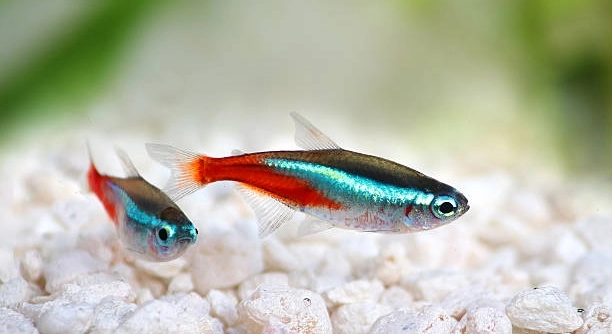
Are your tetra fish showing signs of poor health or low energy? Many owners worry when their small aquarium friends don’t seem as lively or vibrant as before. Proper feeding is key to keeping tetra healthy and active.
Tetras not receiving enough food exhibit specific symptoms such as weight loss, faded colors, sluggish behavior, and reduced growth. These signs indicate nutritional deficiency and can lead to serious health problems if not addressed promptly.
Recognizing these signs early helps improve your tetra’s well-being and keeps your aquarium thriving for years to come.
Weight Loss and Thin Appearance
When tetras don’t get enough food, one of the most noticeable signs is weight loss. Their bodies start to look thinner, and their fins may appear less full than usual. Over time, this thinness can become quite obvious, making the fish look weak. You might also notice their scales lying flatter against their skin. This happens because the fish’s body uses stored fat and muscle for energy, which causes the slim look. It’s important to catch this early to prevent further health decline. Watching how your tetra’s shape changes over days or weeks can tell you if their diet is insufficient.
Persistent weight loss means your tetra is not getting enough nutrition to maintain normal bodily functions. This needs to be addressed quickly to avoid serious health issues and a shortened lifespan.
A thin appearance often goes hand in hand with other symptoms, such as reduced activity. When a tetra is underfed, its energy reserves drop, making it less lively. This low energy level means the fish won’t swim as much or might stay near the bottom of the tank. Weight loss affects the fish’s immune system, leaving it vulnerable to diseases. Feeding smaller, frequent meals and ensuring a balanced diet with proper nutrients can help your tetra regain a healthy weight and vitality over time.
Faded Colors and Dull Appearance
A clear sign of underfeeding is when a tetra’s bright colors start to fade. Normally, these fish show vibrant reds, blues, or greens, which can dim when their diet lacks enough nutrients. This fading happens because their bodies prioritize basic survival over maintaining color pigments. Over time, a dull look can make your tetra blend into the background instead of standing out.
Color fading often signals a lack of essential vitamins and minerals. This should not be ignored as it impacts the fish’s overall health.
When tetras don’t receive sufficient food, their pigmentation suffers, affecting their natural beauty. This loss of color can also indicate poor health conditions like stress or illness, often linked to poor nutrition. Maintaining a diet rich in proteins, vitamins, and carotenoids is important to keep their colors bright. Feeding your tetra a variety of high-quality flakes, pellets, and occasional live or frozen foods will help restore their vivid hues. Besides diet, proper lighting and clean water conditions also play roles in color retention, so these factors should be considered when addressing faded colors. Taking care of these needs supports your tetra’s appearance and helps them thrive in the aquarium.
Sluggish Behavior
When tetras don’t get enough food, they often become less active. You might notice them resting more or moving slowly around the tank. This lack of energy is a direct result of insufficient nutrition.
Low energy affects their daily activities, including swimming and social interaction. Tetras rely on a steady supply of nutrients to fuel their movements. Without proper food, they conserve energy by reducing activity. This sluggishness can make them more vulnerable to stress and illness. Observing changes in behavior helps identify feeding problems early. Adjusting feeding amounts and frequency usually improves their energy levels quickly. Ensuring a balanced diet supports their natural lively behavior and overall health.
Sluggishness may also indicate underlying health issues caused by poor nutrition. A weak immune system develops from lack of essential nutrients, making recovery harder if illness strikes. Providing varied, nutrient-rich food strengthens their defenses. A healthy tetra swims actively and interacts with other fish. Feeding should be monitored closely to prevent energy loss and maintain their well-being.
Reduced Growth Rate
Tetras that aren’t fed enough will grow more slowly than healthy fish. Growth depends on adequate nutrition and energy supply, which underfed fish lack. This stunted development can be seen over weeks or months.
Proper growth requires balanced nutrients, including proteins and vitamins. Without these, body development and tissue repair slow down. Young tetras are especially affected since they need more food to support rapid growth. Underfeeding may lead to permanent size reduction or deformities. Monitoring size and comparing it to healthy tank mates can reveal feeding issues early. Correcting the diet often improves growth and vitality.
Growth problems also link to overall health and lifespan. Insufficient food weakens organs and delays healing from injuries or infections. Providing regular, varied meals rich in essential nutrients supports strong development. Supplementing with quality flakes, pellets, and occasional live food encourages steady growth. A healthy feeding routine promotes both physical size and robust immune function, helping your tetras reach their full potential.
Loss of Appetite
A tetra not getting enough food may lose interest in eating altogether. This can make feeding even more challenging for owners.
Loss of appetite often worsens the fish’s condition, creating a harmful cycle. It’s important to address this quickly to prevent further decline.
Hiding and Isolation
Underfed tetras often hide more than usual and avoid other fish. This behavior is a sign of weakness and stress caused by poor nutrition.
Hiding reduces their chances to compete for food and socialize, worsening their health. Improving feeding practices can encourage them to be more active and engaged.
Weak Immune System
Without enough food, tetras’ immune systems weaken, making them more prone to infections and diseases. Proper nutrition is essential to keep them healthy.
How often should I feed my tetra to prevent underfeeding?
Tetras should generally be fed once or twice a day. Offering small portions that they can finish within two to three minutes is ideal. Overfeeding can harm water quality, while underfeeding causes the issues described earlier. Consistency in feeding times helps keep your tetra healthy and active.
What types of food are best for tetras?
A varied diet works best. High-quality flake or pellet food designed for small tropical fish is a good staple. Supplementing with live or frozen foods like brine shrimp, daphnia, or bloodworms provides extra nutrients and keeps tetras interested in eating. Variety helps meet their nutritional needs and prevents boredom.
Can tetras survive long periods without food?
Tetras can survive a few days without food, but extended fasting weakens them and affects their health. Signs like weight loss and dull colors usually appear after only a few days without adequate nutrition. Regular feeding is crucial for their long-term survival and well-being.
What should I do if my tetra refuses to eat?
Refusal to eat can indicate stress, illness, or poor water conditions. First, check water parameters and clean the tank if needed. Try offering different types of food, including live or frozen options. Reducing stress by providing hiding spots and avoiding sudden changes can also encourage eating. If refusal continues, a vet or fish specialist may help.
How do I know if my tetra is getting too much food?
Overfeeding often causes leftover food to sink and rot, leading to water quality issues. If your tetra looks bloated or inactive, you might be feeding too much. Feed only what the fish can consume in a few minutes, and remove uneaten food promptly.
Can poor water quality affect tetra appetite?
Yes, poor water quality stresses fish and reduces appetite. Ammonia, nitrite, or nitrate levels that are too high can make tetras sick and uninterested in food. Regular water changes and proper filtration keep the tank healthy and support normal eating habits.
Are there signs that show my tetra is recovering from underfeeding?
Improved activity levels, brighter colors, and a healthy weight gain are good signs. A tetra eating regularly and exploring the tank more indicates recovery. Consistent feeding with nutritious food helps restore health over time.
Is it normal for tetras to eat less during certain times?
Tetras may eat less during periods of stress, breeding, or when adjusting to a new environment. These phases should be short. If appetite loss lasts more than a few days, it may signal a feeding or health problem that needs attention.
How much food should I give to a group of tetras?
Feed small amounts that all fish can consume quickly, divided into two daily feedings. Overfeeding one fish can lead to leftovers and water problems. Watch your tetras closely to adjust food amounts as needed for the whole group’s health.
Can underfeeding cause permanent damage to tetras?
Long-term underfeeding can cause stunted growth, weakened immune systems, and shorter lifespans. Early intervention is important to prevent permanent harm. Once proper nutrition is restored, many effects can improve, but severe cases may have lasting damage.
Tetras are small, lively fish that need proper care to stay healthy. One of the most important parts of their care is feeding them the right amount of food. When they do not get enough to eat, their health can quickly start to suffer. This can show in many ways, like losing weight, fading colors, or acting sluggish. Paying close attention to these signs helps you catch problems early and take action to improve your tetra’s condition.
Feeding your tetra regularly with a balanced diet is key. This means giving them the right portions and a mix of foods that meet their nutritional needs. High-quality flakes or pellets designed for tetras are a good base. Adding some live or frozen food now and then can provide extra nutrients and keep your fish interested in eating. It is better to feed smaller amounts more often than to give a large amount at once. This helps avoid overfeeding, which can also cause health issues and water problems in your tank.
Keeping your tank clean and maintaining good water quality are also important for your tetra’s well-being. Poor water conditions can stress fish and make them less likely to eat, even if food is available. Watching your tetra’s behavior, appearance, and growth will give you clues about how well they are doing. If you notice any signs that they are not getting enough food, it is best to act quickly by adjusting their diet and environment. With proper care, tetras can live a long, healthy life and bring enjoyment to your aquarium.

Hello,
If you enjoy the content that we create, please consider saying a "Thank You!" by leaving a tip.
Every little bit helps us continue crafting quality advice that supports the health, happiness, and well-being of pets around the world, for pets of all shapes, sizes, and species.
We really appreciate the kindness and support that you show us!