
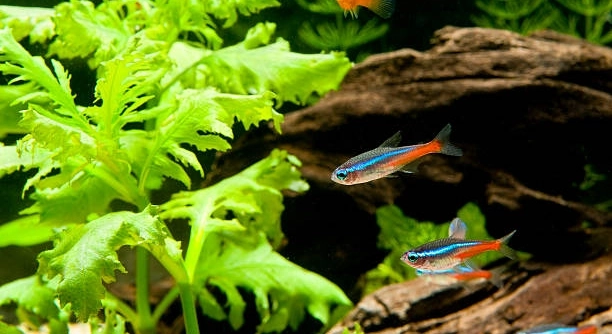
Are your tetra fish constantly pacing back and forth in their tank? This behavior can be puzzling for many fish owners who want their pets to be calm and healthy. Understanding why your tetra acts this way is important for its well-being.
Tetras may pace due to various environmental or health-related factors, including stress from poor water quality, lack of stimulation, inadequate tank size, or underlying illness. Identifying these causes is essential for creating a suitable habitat and ensuring the fish’s comfort.
Recognizing the reasons behind pacing helps improve your tetra’s environment and overall health, making their tank a better place to thrive and enjoy.
Poor Water Quality
Poor water quality is one of the most common reasons your tetra might be pacing. Tetras are sensitive to changes in their environment, and if the water contains high levels of ammonia, nitrites, or nitrates, it can cause stress and discomfort. Dirty water can also reduce oxygen levels, making it hard for your fish to breathe. Regular testing and maintenance are essential. Changing part of the water weekly and cleaning the tank can keep conditions stable. Avoid overfeeding, as uneaten food can quickly pollute the water. A well-filtered tank provides a healthy home where your tetra can swim calmly without pacing nervously.
Water parameters like pH, temperature, and hardness must also be kept within the recommended range for tetras. Sudden changes in these factors can lead to pacing behavior as the fish tries to cope with the discomfort.
Keeping water clean and stable improves your tetra’s health and reduces pacing caused by environmental stressors.
Lack of Stimulation
Tetras are active and social fish that need mental and physical stimulation. Without enough plants, decorations, or companions, they can become bored and start pacing. A sparse tank limits their space and interest, making pacing a sign of frustration. Adding live plants, hiding spots, and other tank mates can encourage natural behaviors and keep your tetra engaged.
When tetras lack stimulation, pacing becomes a repetitive action linked to restlessness. Providing an enriched environment mimics their natural habitat, which helps reduce this behavior.
Introducing different textures and objects for exploration gives your tetra new experiences. Watching your fish interact with their surroundings is rewarding and indicates a healthy, content pet. Social interaction with other tetras also decreases pacing by fulfilling their need for companionship. Adjusting the tank setup based on your tetra’s behavior can create a calmer, happier aquarium.
Inadequate Tank Size
Tetras need enough space to swim freely. A small tank limits their movement and can cause pacing along the tank walls. Crowded conditions also increase stress and aggression.
A tank that is too small restricts natural swimming patterns, which can make your tetra feel trapped. This confinement often results in repetitive pacing behavior as the fish tries to find more space. A minimum tank size of 10 gallons is recommended for a small group of tetras. Larger tanks provide better water stability and allow room for plants and hiding spots, which support healthier, more relaxed fish. Adjusting the tank size can significantly reduce pacing caused by space limitations.
Upgrading to a larger tank or reducing the number of fish can improve your tetra’s quality of life. This change encourages natural behaviors and less nervous pacing.
Stress from Tank Mates
Stress from aggressive or incompatible tank mates can cause pacing. Tetras are peaceful fish that do best with other non-aggressive species.
When housed with aggressive or territorial fish, tetras can become anxious and start pacing to avoid confrontation. Compatibility is important to reduce stress levels. Tetras usually thrive in schools of their own kind or with similarly peaceful species. Introducing too many fish or incompatible species disrupts social harmony and causes constant stress. Stress weakens their immune system and affects overall health, which often shows through pacing and hiding behaviors. Ensuring compatible tank mates creates a calmer environment where tetras feel safe. Monitoring interactions regularly helps maintain peace and prevents pacing caused by social stress.
Hunger or Feeding Schedule
Tetras may pace when they feel hungry or expect feeding. They quickly learn feeding times and may swim anxiously beforehand.
A consistent feeding schedule helps reduce pacing caused by hunger. Feeding small amounts multiple times a day prevents overfeeding and keeps your tetra satisfied.
Illness or Parasites
Pacing can be a sign of illness or parasites. Fish in discomfort may swim restlessly or try to escape irritation.
If pacing is combined with other symptoms like clamped fins, spots, or loss of appetite, it’s important to test water quality and consider treatment. Early intervention improves recovery chances.
Lack of Oxygen
Low oxygen levels in the tank can cause your tetra to pace near the surface or filter outlet, searching for better oxygen.
Oxygen deficiency stresses fish and affects breathing. Increasing aeration and water movement can improve oxygen availability and reduce pacing caused by this issue.
FAQ
Why does my tetra pace back and forth constantly?
Pacing is often a sign that something in the environment is causing stress or discomfort. Common reasons include poor water quality, lack of space, insufficient stimulation, or health problems. Fish may also pace if they feel hungry or are trying to avoid aggressive tank mates.
How can I tell if my tetra is pacing due to illness?
If pacing is combined with other signs such as clamped fins, discoloration, spots, or loss of appetite, illness or parasites may be the cause. In such cases, testing water quality and observing behavior closely can help identify the problem. Prompt treatment is important to improve recovery.
Is pacing normal behavior for tetras?
While occasional swimming along tank walls can happen, frequent pacing is not normal. It often indicates that the fish is stressed or uncomfortable. Addressing the underlying cause helps reduce pacing and improves the fish’s well-being.
Can tank size really affect my tetra’s pacing?
Yes, a small tank restricts swimming space and causes frustration. Tetras are active swimmers and need enough room to explore. A minimum of 10 gallons is recommended for a small group, with larger tanks offering better stability and more space to reduce pacing.
How does water quality impact pacing behavior?
Poor water quality introduces harmful toxins and reduces oxygen levels, causing stress. Stress makes tetras restless and prone to pacing. Regular water changes, proper filtration, and testing for ammonia, nitrites, nitrates, and pH keep the tank safe and calm.
What role do tank mates play in pacing?
Aggressive or incompatible tank mates can stress tetras, making them pace to avoid conflict. Tetras do best with peaceful species and should be kept in schools. Ensuring compatible companions prevents social stress and creates a harmonious environment.
Can feeding schedules influence pacing?
Tetras quickly learn feeding times and may pace when hungry or anticipating food. Keeping a regular schedule and feeding small amounts multiple times a day helps prevent pacing linked to hunger or impatience.
How can I reduce pacing caused by boredom?
Adding live plants, hiding spots, and decorations creates a stimulating environment. Tetras enjoy exploring and interacting with their surroundings. Providing companions and varying the tank layout can also reduce pacing caused by lack of mental and physical stimulation.
Is pacing ever dangerous for my tetra?
While pacing itself is not harmful, it signals stress or discomfort that can lead to health problems if not addressed. Continuous pacing may weaken the immune system or cause injury if the fish repeatedly hits the tank glass. Monitoring behavior and fixing causes is essential.
What steps can I take immediately if my tetra is pacing?
First, test water quality and perform a partial water change if needed. Check tank size and overcrowding. Observe tank mates for aggression. Add plants or decorations for stimulation. If illness is suspected, isolate the fish and consult treatment options. Consistency in care helps reduce pacing quickly.
When a tetra fish starts pacing frequently, it often signals that something in its environment needs attention. Pacing is not just a random behavior; it usually means the fish is experiencing stress, discomfort, or boredom. Common causes include poor water quality, lack of space, unsuitable tank mates, or health problems. Paying close attention to these factors can help improve the fish’s quality of life. Ensuring clean water, enough swimming room, and peaceful companions creates a more comfortable home where pacing is less likely to occur.
Maintaining a well-balanced aquarium requires regular care and observation. Simple tasks like testing water parameters, performing routine water changes, and avoiding overcrowding make a big difference. Adding plants and hiding spots can provide stimulation, making the environment more natural and interesting for your tetra. A consistent feeding schedule also helps reduce pacing caused by hunger or anticipation of food. These small adjustments can promote calmer behavior and support the fish’s overall health.
Addressing pacing early helps prevent long-term problems. When pacing is linked to illness, early detection and treatment improve recovery chances. Even if pacing is caused by environmental factors, improving conditions benefits the fish’s mental and physical well-being. Watching your tetra swim calmly and comfortably is a sign that its needs are met. Taking these steps ensures a healthier, happier fish that thrives in its aquatic home.

Hello,
If you enjoy the content that we create, please consider saying a "Thank You!" by leaving a tip.
Every little bit helps us continue crafting quality advice that supports the health, happiness, and well-being of pets around the world, for pets of all shapes, sizes, and species.
We really appreciate the kindness and support that you show us!