
Are your tetra fish showing signs of restlessness or lack of activity in their tank? Many aquarium owners may not realize that boredom can affect these small, lively fish. Recognizing the signs early can improve their well-being.
Tetras exhibit boredom through reduced swimming activity, loss of color vibrancy, and decreased interaction with their environment or tank mates. These behaviors indicate a lack of stimulation and can negatively impact their health if left unaddressed.
Identifying these behaviors helps maintain a healthy and engaging environment for your tetra, ensuring they remain active and vibrant in their habitat.
Reduced Activity and Restlessness
When tetras become bored, you may notice they swim less or seem restless. They might pace back and forth along the glass or stay in one spot for long periods. This lack of natural, lively movement is a clear sign that they are not mentally stimulated. Tetras usually enjoy exploring their environment, so when their tank is empty or lacks hiding spots, plants, or decorations, they get bored easily. A tank that is too small can also limit their activity and cause stress. Ensuring enough space and adding interesting elements can encourage your tetras to swim actively again. Regular changes to the tank setup, like rearranging decorations or adding new plants, can keep their environment fresh and engaging. Without these adjustments, your tetras might become lethargic or show signs of stress, which affects their overall health and happiness.
Tetras need stimulation to stay healthy and active. A dull environment makes them less lively and less likely to thrive.
Keeping your tetra tank interesting is essential. Small changes in their surroundings can boost their activity levels and prevent boredom. Regularly observe their behavior to catch any signs early and improve their habitat accordingly.
Loss of Color and Dull Appearance
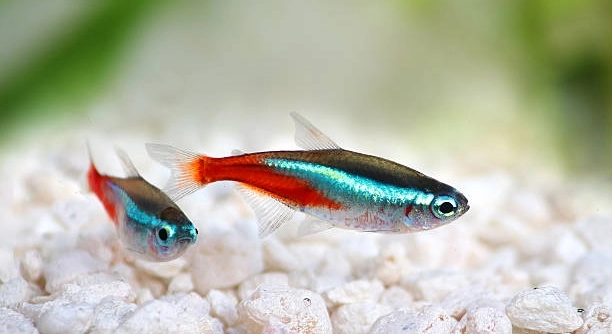
Tetras usually have bright, vibrant colors that fade when they are bored or stressed. This dullness happens because boredom can affect their physical condition. If they lack proper stimulation or a varied environment, their bodies might not produce the same vivid colors. Also, poor water quality or an unbalanced diet can contribute to a faded appearance, but boredom alone can trigger color loss. When tetras don’t move much or engage with their surroundings, their overall vitality drops. Bright colors are often a sign of good health, so a noticeable dullness should be taken seriously. You can improve their color by adding variety to their environment, providing nutritious food, and maintaining clean water conditions. This combination helps restore their natural vibrancy and keeps them looking lively.
Color loss can signal boredom or poor conditions.
Ensuring your tetras have a stimulating tank and good care keeps their colors bright and healthy. Recognizing dullness early helps prevent long-term health issues.
Lack of Interaction with Tank Mates
Tetras usually swim together and interact with each other. When they avoid their tank mates or hide more than usual, boredom might be the cause. Reduced social behavior can indicate they feel unstimulated or stressed.
This change in social behavior often means your tetras are not getting enough enrichment in their tank. Without plants, decorations, or places to explore, they lose interest in interacting. Tetras are schooling fish, so they naturally engage with others, but boredom can cause withdrawal. If the tank environment stays the same for too long, they might lose their natural curiosity and social habits. Improving tank complexity can encourage more interaction and activity among the fish.
Adding floating plants, caves, or small decorations can help bring your tetras out of their shell. These changes give them places to hide and explore, increasing their social activity. Keeping the environment dynamic encourages your tetras to stay engaged and interact regularly, maintaining their natural behaviors.
Repetitive Swimming Patterns
Tetras may swim in circles or follow the same path repeatedly when bored. This behavior shows they are looking for stimulation but don’t find enough variety in their tank.
Repetitive swimming is often a sign of frustration or lack of mental engagement. In a well-structured tank, tetras explore different areas, but when bored, their movement becomes predictable and mechanical. This can lead to stress and a decline in their overall well-being. By providing new decorations or rearranging the tank layout, you break these patterns and encourage more natural behaviors. Observing this behavior helps identify boredom before it causes more serious health issues.
Encouraging natural swimming habits requires changing the environment regularly. Tetras respond well to new stimuli, and adjusting their tank setup can reduce repetitive movements. This keeps them mentally and physically healthy, promoting a happier aquatic life.
Loss of Appetite
When tetras are bored, they may eat less or ignore food altogether. A drop in appetite is often one of the first signs of dissatisfaction in their environment.
Reduced eating can lead to weakened health and make your tetras more vulnerable to illness. It’s important to notice changes in feeding habits early and address boredom to keep them healthy.
Increased Hiding Behavior
Tetras that are bored often hide more than usual. This withdrawal can indicate they feel unstimulated or stressed by their environment.
Providing more hiding spots and varied tank elements encourages exploration and reduces excessive hiding, improving their comfort and mental stimulation.
Erratic Swimming or Jumping
Erratic swimming or sudden jumps out of the tank are signs that tetras might be stressed or bored. These behaviors often result from frustration or discomfort in their surroundings.
Improving tank conditions and adding stimulation can calm these behaviors and help your tetras feel secure.
FAQ
How can I tell if my tetra is bored or sick?
Boredom and illness in tetras can sometimes look similar. Bored tetras often show signs like reduced activity, loss of color, and repetitive swimming patterns. Sick fish might also hide more or lose appetite but usually show additional symptoms like clamped fins, unusual spots, or difficulty breathing. Observing your fish’s behavior closely helps distinguish between boredom and illness. If physical signs like white spots or torn fins appear, it’s more likely a health issue. For boredom, the tank environment usually lacks stimulation or variety.
What can I do to prevent boredom in my tetra tank?
Adding plants, decorations, and hiding spots can keep your tetras entertained. Changing the tank layout every few weeks helps maintain their interest. Providing a proper diet and maintaining clean water also supports their well-being. Introducing tank mates that are compatible can increase social interaction. Regularly monitoring their behavior and environment ensures they stay active and engaged.
Is it normal for tetras to swim in circles sometimes?
Occasional swimming in circles is not unusual, but frequent repetitive swimming usually signals boredom or stress. This behavior often means the fish is seeking stimulation or reacting to a dull environment. If repetitive swimming continues, improving tank enrichment and layout can help. Ensuring enough space and social companions also reduces this behavior.
Can a small tank cause boredom in tetras?
Yes, a small tank limits movement and exploration, which can lead to boredom. Tetras are active swimmers and need enough room to roam and school. A cramped environment reduces their natural behaviors and causes stress. A minimum tank size of 10 gallons is recommended for a small group of tetras. Larger tanks provide better opportunities for stimulation and healthier social interactions.
How often should I change the tank setup to keep tetras engaged?
Changing decorations or rearranging plants every 3 to 4 weeks is a good practice. Frequent changes keep the environment interesting and encourage exploration. However, avoid drastic changes all at once, which can stress the fish. Small, gradual adjustments maintain a balance between stimulation and comfort.
What are some good decorations to add for tetra stimulation?
Live plants, smooth rocks, caves, and floating decorations are excellent choices. Plants provide hiding spots and improve water quality, while caves offer shelter and security. Floating decorations create shaded areas that tetras enjoy. Avoid sharp or rough objects that could injure the fish. Variety in shapes and textures makes the tank more appealing to your tetras.
Can boredom affect a tetra’s lifespan?
Chronic boredom can negatively impact a tetra’s health by causing stress, reduced appetite, and weakened immune response. Over time, this can shorten their lifespan. Maintaining an engaging and clean environment helps prevent boredom-related health problems. Active and stimulated tetras generally live longer and display healthier behaviors.
Is feeding variety important for preventing boredom?
Yes, offering different foods like flakes, pellets, and occasional live or frozen treats helps keep tetras interested in feeding. A varied diet also provides balanced nutrition. Bored fish might ignore repetitive food types, so changing their diet supports both mental and physical health.
Should I keep tetras in groups to avoid boredom?
Tetras are schooling fish and feel safer and more stimulated in groups. Keeping at least six tetras together encourages natural social behaviors and reduces boredom. Isolated tetras may become stressed and less active. Proper group sizes and tank space are both essential for their well-being.
What signs show that environmental changes are helping my tetras?
Improved activity levels, brighter colors, more social interactions, and reduced repetitive behaviors are good indicators. If your tetras explore the tank more and seem less withdrawn, the changes are working. Keep observing to ensure continued stimulation and adjust if needed.
Final Thoughts
Keeping your tetras healthy and happy means paying close attention to their behavior. Signs of boredom can easily be overlooked, but they have a real impact on your fish’s well-being. When tetras show less activity, lose their bright colors, or swim in repetitive patterns, it is often because their environment is not engaging enough. A simple tank with no variety or places to explore can make these active fish feel restless and stressed. Understanding these signs helps you provide better care and create a more suitable home for them.
Making small changes to the tank setup can make a big difference. Adding plants, decorations, and hiding spots helps tetras stay interested and active. Changing the tank layout occasionally keeps their environment fresh and stimulating. Providing a balanced diet and keeping the water clean are also important for their health. Tetras are social animals, so keeping them in groups helps them feel secure and more engaged with their surroundings. These actions reduce boredom and support their natural behaviors, leading to a happier, healthier fish.
Regularly observing your tetras and their habits is key to preventing boredom. It allows you to catch early signs and make adjustments before problems worsen. A well-maintained and interesting tank encourages your fish to swim, explore, and interact more often. Taking these steps shows that even simple efforts can improve your tetras’ quality of life. Ultimately, keeping your fish stimulated benefits not only them but also makes your aquarium more enjoyable to watch.

Hello,
If you enjoy the content that we create, please consider saying a "Thank You!" by leaving a tip.
Every little bit helps us continue crafting quality advice that supports the health, happiness, and well-being of pets around the world, for pets of all shapes, sizes, and species.
We really appreciate the kindness and support that you show us!